 Cart
CartHow to Batch-Cook for the Week Without Living in the Kitchen
Batch-cook smart by prepping a few flexible components, then mix and match them into real dinners all week.
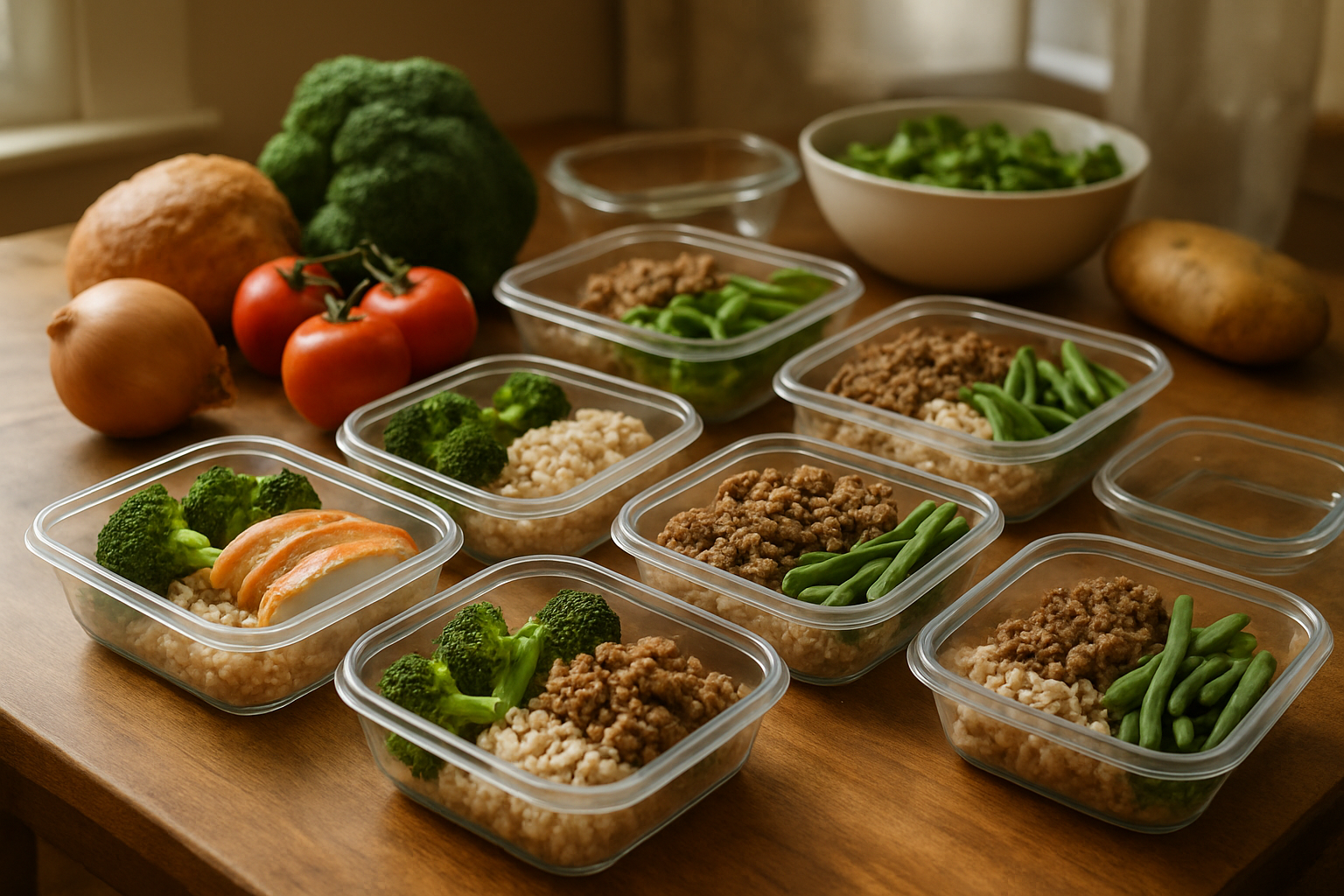
A week’s worth of dinner does not need seven separate cooking marathons and a sink full of pans. If your fridge keeps filling up with lonely containers of the same meal, the problem is usually the plan, not your effort. The smarter move is to batch-cook components, then turn them into different dinners as the week goes on.
Start with a component mindset, not a meal mindset
When people ask how to batch cook for the week, they often mean, “How do I make one giant recipe and eat it all week?” That works for some families, but it gets old fast. It also makes dinner feel like leftovers on repeat.
A better approach is to cook building blocks:
- Two proteins
- One grain or starch
- One sauce or flavour base
- One tray of roasted vegetables
That gives you enough pieces to mix and match without starting from scratch every night. You are not making seven identical dinners. You are making future dinners easier.
This is the whole game. Keep the parts flexible, and the week gets easier.
Pick meals that share ingredients
Batch cooking works best when the ingredients pull double duty. Choose foods that can show up in more than one dinner without tasting like a copy-paste job.
Good examples:
- Chicken thighs and ground turkey
- Rice and pasta
- Roasted broccoli and carrots
- Tomato-based sauce, pesto, or a simple creamy sauce
Think about how these pieces can shift.
- Chicken + rice + roasted veg becomes a bowl
- Ground turkey + pasta + sauce becomes a skillet dinner
- Chicken + sauce + veg becomes wraps or sandwiches
- Rice + veg + eggs becomes a quick fried rice night
The goal is not fancy. The goal is useful.
Choose one focused cooking session
You do not need to spend all Sunday in the kitchen. Pick one focused session and protect it. Even a tighter prep window can make the whole week smoother if you stay organised.
A good session usually looks like this:
- Start the grain first.
- Get the oven hot and roast the vegetables.
- Cook the proteins.
- Make one sauce.
- Portion everything while it is still easy to handle.
Do the jobs in the order that saves time. If the oven is already on, use it fully. If you are chopping onions for one dish, chop enough for another. If you are dirtying a cutting board, make it count.
Keep the session realistic. If your family is busy, a two-hour kitchen project may backfire. A shorter, calmer prep session is often better than an ambitious one that leaves you exhausted.
Build dinners from a simple formula
Once the components are cooked, dinner becomes assembly instead of cooking. That is the part busy parents need.
Use a basic formula:
- Protein
- Grain or starch
- Vegetable
- Sauce or seasoning
From there, switch the format so it does not feel repetitive.
Try these combinations:
- Grain bowl with chicken, rice, roasted veg, and sauce
- Pasta with turkey, vegetables, and a different sauce
- Wraps with sliced protein, shredded veg, and a spread
- Soup or stew using leftover veg and a grain stirred in
- Breakfast-for-dinner with eggs, potatoes, and roasted vegetables
You are reusing food, yes. But you are changing the shape, texture, and sauce. That is what keeps it from feeling like the same dinner every night.
Store components the right way
Batch cooking falls apart when everything gets dumped into one giant container. Food lasts longer and reheats better when it is stored with a little care.
A few practical rules:
- Cool food before sealing it up.
- Store sauces separately when you can.
- Keep crisp things away from wet things.
- Put grains, proteins, and vegetables in their own containers if possible.
- Label containers if you know your fridge turns into a mystery zone.
Roasted vegetables are a good example. They stay nicer if they are not sitting in sauce all week. Same with grains. A dry grain reheats better than one that has been soaked in sauce since Sunday.
If you are using the freezer, freeze in meal-sized portions. That way you are not thawing more than you need.
Reheat without wrecking the food
Bad reheating can make a good prep session feel pointless. Dry chicken, soggy vegetables, and gluey rice are usually a reheating problem, not a cooking problem.
Use the right method for the food:
- Microwave grains with a splash of water and a loose cover
- Reheat roasted vegetables in a pan or oven if you want them less soft
- Warm proteins gently so they do not dry out
- Add sauce after reheating when possible
If something tastes flat after reheating, fix it at the end. A little salt, a squeeze of lemon, a spoonful of sauce, or fresh herbs can wake it up fast. You do not need to rescue every meal with a new recipe. Sometimes it just needs a finish.
Keep the prep list short
The fastest way to make batch cooking miserable is to overbuy and overcomplicate it. A short list is easier to shop, prep, and store.
Try this structure:
- 2 proteins
- 1 grain
- 2 to 3 vegetables
- 1 sauce
- 1 backup easy meal
That backup meal matters. Life happens. A late practice, a work call, or a kid who suddenly hates the planned dinner can blow up the best intentions. Keep one no-effort option ready, like eggs, toast, soup, or frozen leftovers.
Also, do not batch-cook foods your family will not eat just because they are practical. Practical food still has to get eaten.
Make the week flexible on purpose
A good batch-cook plan leaves room for real life. It does not lock you into a strict menu with no wiggle room.
That means:
- Leftover protein can become lunch
- Extra rice can become fried rice
- Roasted veg can go into wraps, omelettes, or pasta
- Sauce can turn plain ingredients into dinner fast
This flexibility is what keeps batch cooking useful after the first enthusiastic week. If every container has only one purpose, you will get bored and quit. If the parts can move around, the system keeps working.
A simple example week
If you want a starting point, try this pattern:
- Cook chicken and ground turkey
- Make rice
- Roast broccoli and carrots
- Make a tomato sauce
- Use the pieces for bowls, pasta, wraps, and a quick fried rice night
That is enough variety to cover a week without needing a new recipe every day. You are not trying to impress anyone. You are trying to get dinner on the table with less stress.
Keep the plan tied to your real week
Batch cooking works best when it matches your schedule, your family’s preferences, and what is already in the house. If you shop around flyers and store sales, build your prep around what is actually affordable and available. That keeps the plan grounded instead of aspirational.
If you want a little more help turning one prep session into a full week of supper, CartBrain can help you plan meals around your budget, stores, and weekly flyers, then turn that into a grocery list that is easier to shop and easier to stick to.