 Cart
CartInstant Pot Family Meals to Aim for Under $3 a Serving
Use beans, grains, stock and tough cuts to build filling pressure-cooker dinners while keeping the cost per serving as a target, not a promise.
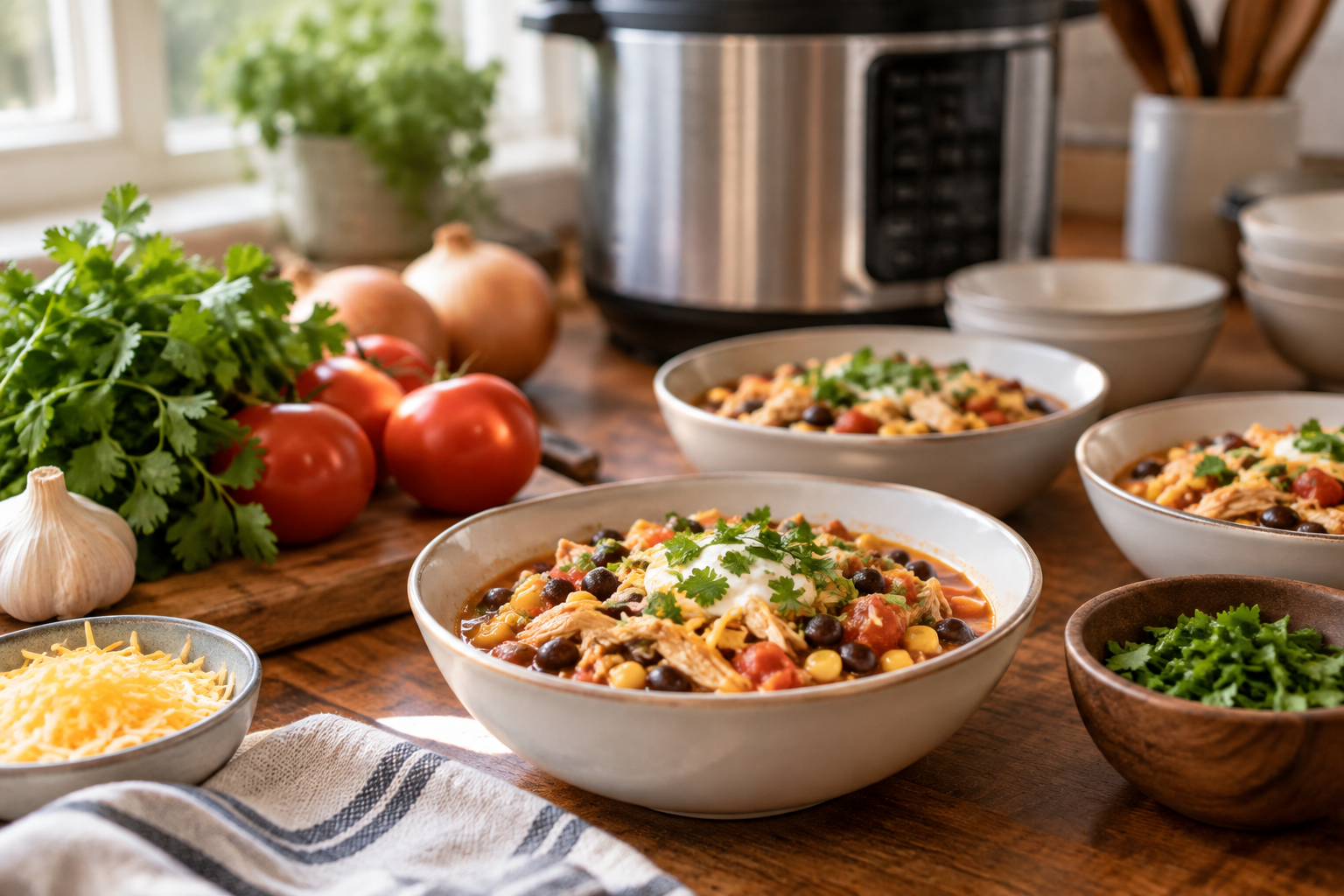
A bag of dried beans, a tray of chicken thighs and a few litres of stock can become a week of family dinners with an Instant Pot doing the hard work. The trick is not chasing complicated recipes. It is choosing ingredients that become tender, filling and useful across several meals.
An under-$3 serving is a reasonable planning goal for some households, but it is not a guaranteed result. Prices vary by province, store, package size and season. A family in Toronto may shop differently from one in northern Ontario, Atlantic Canada or a small prairie town. Use the ideas below to build your own cost target from the prices on your receipt.
Start with the ingredients that reward pressure cooking
The best budget Instant Pot family meals usually begin with foods that are inexpensive but need time, moisture or both.
- Dried beans and lentils add protein and bulk without requiring meat in every meal.
- Beef chuck, stewing beef, pork shoulder and chicken thighs can become tender in a pressure cooker.
- Rice, barley, split peas and other grains stretch a small amount of meat or vegetables.
- Homemade stock uses bones, vegetable ends and leftover roast juices that might otherwise be discarded.
- Plain yogurt can be made from milk when you have a reliable thermometer and enough fridge space.
Buy the size your household can use. A large bag is not a bargain if half of it sits forgotten in the cupboard. Compare the unit price, check the best-before date and notice whether your family will eat the leftovers.
The cost-per-serving maths that actually helps
Add the cost of every ingredient that goes into the pot. Include oil, stock, spices and toppings if they are bought specifically for the meal. Divide the total by the number of portions your family will really eat.
Do not count on a recipe claiming eight servings if your household eats five. A serving is also not automatically a child-sized bowl. Keep your estimate honest.
Then look for ways to reduce the total without making dinner miserable.
- Replace part of the meat with beans, lentils, barley or extra vegetables.
- Use frozen vegetables when fresh produce is costly or likely to spoil.
- Treat cheese, sour cream and avocado as optional toppings rather than the foundation of the meal.
- Cook enough for one planned leftover meal, not an accidental container graveyard.
- Check the week’s flyers before choosing between chicken, pork, beef or meatless options.
Prices and promotions change quickly. Most Canadian supermarket flyers turn over on Thursday, but your local store may use a different schedule.
Dried beans without the overnight soak
Pressure cooking is especially useful when you forgot to soak beans or decided on dinner after the shops closed. Rinse the beans and remove any small stones or damaged pieces. Add plenty of water, but do not fill the pot beyond the appliance’s safe limit for beans and foaming foods.
Cook times vary by bean, age and brand. Older beans can take longer. Let the pressure release naturally when practical, because a quick release can make the skins split and the cooking liquid foam.
For a simple family base, cook beans with onion, garlic, bay leaf and water or stock. Add salt according to your recipe and taste. Use the beans in tacos, soup, grain bowls, chilli or mashed bean quesadillas.
Do not pressure-cook dried kidney beans casually. Follow your appliance and recipe guidance carefully, including any required boiling step. Food safety instructions matter more than shaving a few minutes off dinner.
Five weeknight meals worth memorizing
1. Bean and vegetable chilli
Sauté onion, carrot and peppers if you have them. Add dried or pre-cooked beans, canned tomatoes, stock, chilli powder, cumin and frozen corn. If using dried beans, follow a tested recipe for the bean quantity and liquid level rather than improvising.
Serve with rice, baked potatoes, toast or corn tortillas. A small amount of grated cheese can finish the bowls, but the chilli should stand on its own. Make extra for stuffed peppers, nachos or a second dinner with a different topping.
2. Chicken, rice and vegetable pot
Use boneless chicken thighs or bone-in pieces, depending on what is affordable at your store. Add rice, stock, onion, garlic, carrots and frozen peas. Use the correct liquid ratio and timing for your rice and appliance; too much stirring or liquid can turn the dish soft.
Remove bones before serving. Finish with lemon juice, chopped parsley or a spoonful of plain yogurt if you have it. This is a useful way to make a modest amount of chicken feel like a complete meal.
3. Lentil dal with rice
Red lentils cook quickly and thicken a pot without soaking. Combine them with onion, garlic, ginger, canned tomatoes, stock and spices such as cumin, turmeric and coriander. Add spinach or frozen peas after pressure cooking so they keep some colour and texture.
Serve over rice or with flatbread. The same dal can become a soup with extra stock the next day. Keep the spice level adjustable at the table so young children and adults can share the meal.
4. Tough-cut beef stew
Choose a cut suited to slow, moist cooking, such as stewing beef or chuck. Brown it in batches if your appliance allows. Add onion, carrots, potatoes, stock and herbs. Pressure cooking can turn a tough cut tender in roughly an hour of cooking and pressure time, but the exact result depends on the cut and chunk size.
Thicken the sauce after pressure cooking. A slurry of cold water and flour or cornstarch is easier to control than adding flour directly to the pot. Serve with bread, rice or barley if the stew needs stretching.
5. Pulled pork or chicken bowls
Season pork shoulder or chicken thighs with garlic, paprika, pepper and a modest amount of salt. Pressure-cook with onion and a little stock until shreddable. Use the meat in bowls with rice, cabbage, beans and a sharp sauce, or pile it into buns with slaw.
The key is portion control. The meat is the flavour anchor, not the only thing on the plate. Add inexpensive vegetables and grains so leftovers become a new meal rather than the same sandwich again.
Stock and yogurt can lower waste, not just cost
Homemade stock is useful when you already have bones, a carcass or vegetable trimmings. Keep scraps clean and suitable for stock. Do not treat every peel or leftover as safe to save. Pressure cooking extracts flavour quickly, but it will not fix burnt, spoiled or heavily salted ingredients.
For yogurt, use pasteurized milk and follow your appliance’s method closely. You need clean equipment, accurate temperature control and enough time for the culture to set. Homemade yogurt may cost less than individual tubs, especially when your family eats it regularly, but compare it with the price of the larger tubs at your own store. Add fruit, oats or a savoury sauce after setting rather than sweetening the entire batch.
What the Instant Pot is bad at
A pressure cooker is not a universal dinner machine. Some foods are better cooked another way.
- It does not create crisp chicken skin, roasted vegetables or browned cheese. Use the oven, air fryer or broiler for finishing.
- Delicate fish and tender vegetables can overcook quickly. Add them after pressure cooking or use a shorter method.
- Pasta can turn mushy, especially when the shape and liquid are mismatched. Use a tested recipe.
- Dairy can split or scorch under pressure. Add milk, cream and soft cheese after cooking unless your recipe says otherwise.
- Large frozen meat pieces may cook unevenly. Thaw safely or use smaller portions.
- Rice and grains are not interchangeable. Brown rice, white rice, barley and quinoa need different liquid and timing.
- You cannot safely fill the pot to the brim with beans, grains or foaming foods. Follow the appliance’s maximum-fill marks.
Use the pressure cooker for tenderness and convenience. Use another tool for texture.
A simple weekly strategy
Pick one bean meal, one meat meal, one lentil or grain meal, and two flexible dinners. Cook a batch of rice or beans only when you have a plan for using them. Freeze portions flat in labelled containers so they thaw quickly and do not disappear behind older food.
Before shopping, check your pantry and your local flyers. Compare the total meal cost, not just the sale sticker. A cheaper protein may need more sides, while a slightly dearer cut may provide several meals. If you want help turning your household, budget, preferred stores and available flyer deals into a week of dinners, CartBrain can build the plan and a store-split grocery list; the weekly meal planner is free to start with a full first week free and no card required.