 Cart
CartThe Back-to-School Grocery Reset: Rebuilding the Weekly Shop
Reset the grocery week around packed lunches, repeatable breakfasts and suppers that still work when everyone walks through the door at different times.
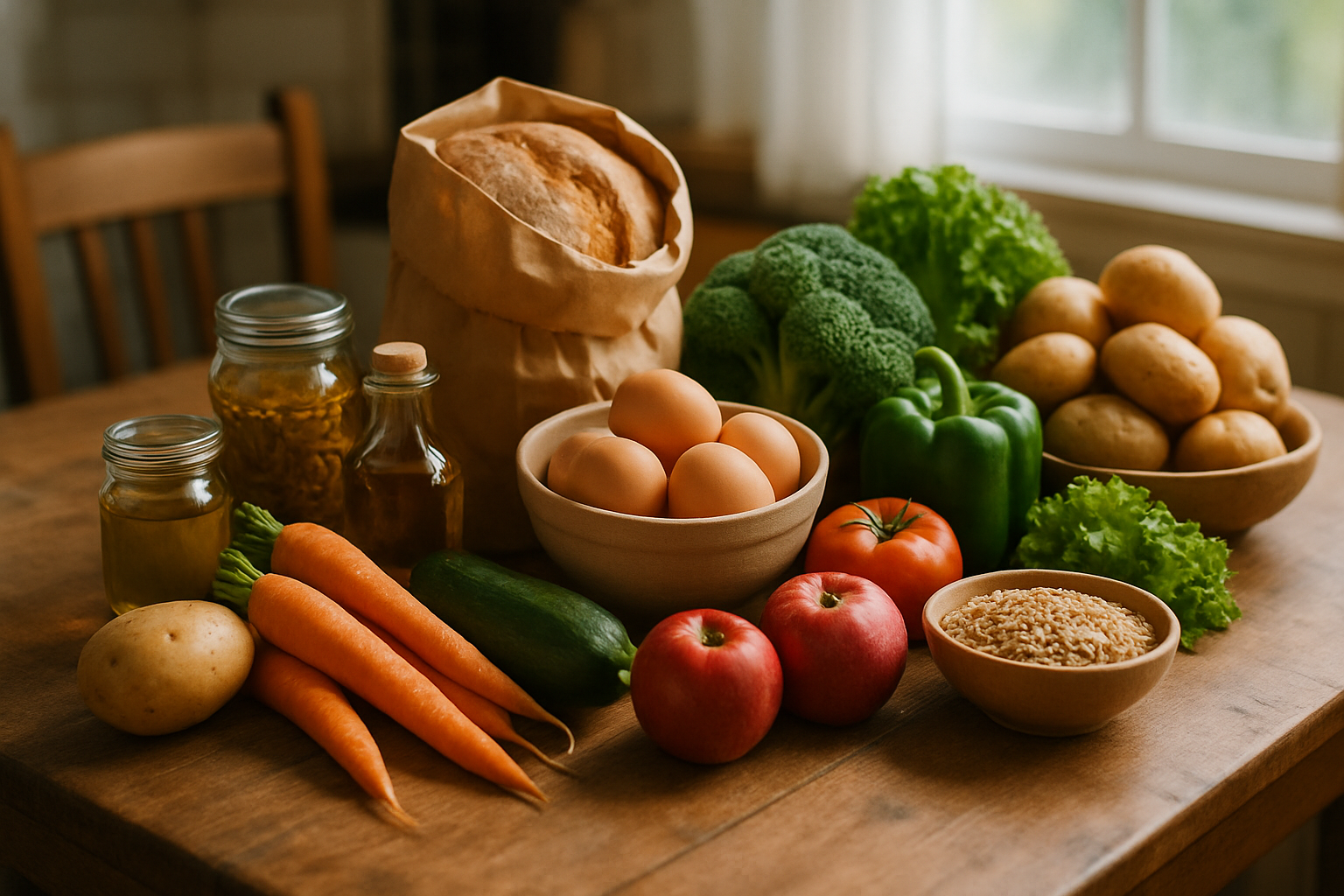
Five packed lunches can turn a normal grocery shop into a daily logistics problem. Add school breakfasts, after-activity suppers and snacks that vanish from the cupboard, and the loose rhythm of summer stops working quickly.
September needs a grocery reset. Not a frantic stock-up. A repeatable weekly system that matches school days, your household and the time you actually have to cook.
Start with the school week, not the shopping list
Before choosing recipes, sketch the week your groceries need to support.
Write down:
- Which mornings need a full breakfast and which allow more time
- How many lunches need to be packed
- Any food allergies, school rules or foods that cannot be packed
- Which children have activities after school
- Which nights have the shortest gap between arriving home and eating
- Which evenings can handle cooking, and which need leftovers or assembly
This matters because a back to school grocery list is not just a list of ingredients. It is a plan for several different kinds of meals.
A Tuesday with swimming lessons needs a different supper from a Friday when everyone is home earlier. A child who eats lunch at school may need a more substantial after-school snack. A packed lunch may need to stay cold for hours and survive a trip in a backpack.
Build around those constraints first. The food choices become much easier.
Create a lunchbox base that can repeat
Lunch does not need to be completely different every day. It needs enough variety to stay acceptable, practical and edible.
Choose a small group of dependable lunchbox components:
- A main item such as a sandwich, wrap, pita, pasta salad, rice bowl or leftover portion
- A fruit or vegetable
- A filling side such as yoghurt, cheese, beans, egg or hummus
- A small snack that fits your school’s rules
- Water in a reusable bottle
Rotate the combinations rather than inventing five separate menus. For example, cooked chicken can appear in a wrap, alongside crackers or in a rice bowl. Roasted vegetables can work in a lunch container and as part of supper. Cheese can support sandwiches, quesadillas or a snack plate.
Check what your child reliably eats before buying a large quantity. A bargain is not useful if it comes home untouched. Start with familiar foods, then introduce one change at a time.
Also check the practical details. Some schools are nut-aware or have other restrictions. Some foods need an ice pack. Some containers leak when tipped sideways in a bag. Your school’s rules and your child’s classroom setup should shape the lunch plan.
Buy lunchbox staples in useful quantities
Buying bigger packs can reduce repeated shopping and make portioning easier, but only when the food will be used before it loses quality.
Good candidates may include:
- Bread, wraps or pitas that can be frozen in portions
- Cheese that can be sliced or cubed at home
- Yoghurt in a format your child will actually eat
- Apples, oranges, pears or other sturdy fruit
- Carrots, cucumbers, peppers or other easy-to-pack vegetables
- Crackers, oat bars or similar shelf-stable snacks
- Eggs, beans, tuna or cooked chicken for filling options
Think in portions, not just packages. When groceries arrive, decide what will be used this week, what can be frozen and what needs to stay visible in the fridge.
Wash and cut only what is likely to keep well. Some produce is better packed whole and prepared on the morning of use. Keep a few no-prep options available for the mornings when the plan falls apart.
Do not buy every lunch item in bulk at once. A large pack of one snack can create waste, boredom or a pantry full of food nobody wants. Use a few reliable staples, then vary the format and flavour.
Make school breakfasts boring on purpose
School mornings are not the best time for a complicated breakfast experiment. Repeatable is useful.
Build a short breakfast menu with options that need different amounts of effort:
- Cereal with milk and fruit
- Toast with eggs, nut-free spread or cheese, where allowed at home
- Overnight oats or cooked oats
- Yoghurt with fruit and oats
- Smoothies made from ingredients already in the freezer
- Breakfast sandwiches prepared ahead and reheated safely
Aim for a mix of make-ahead, quick-assembly and hot options. That gives you a fallback when a child rejects the first choice or the morning runs late.
Keep breakfast ingredients near each other. Put bowls, lunch containers and reusable bottles where children can reach them if they are old enough to help. A small amount of setup can prevent the kitchen from becoming another decision point.
If the same breakfast appears several times a week, that is not a planning failure. It is one less thing to solve. Add variety through fruit, toppings or the occasional different option instead of creating a new recipe every morning.
Rebuild suppers around the arrival window
The key question for September supper planning is not, “What sounds good?” It is, “What can still work when everyone arrives home at different times?”
Choose meals that can be served in stages, reheated without falling apart or assembled quickly. Useful formats include:
- Sheet-pan chicken, fish or tofu with vegetables and potatoes
- Chilli, lentil stew or curry served with rice or flatbread
- Pasta with a make-ahead sauce
- Tacos, wraps or bowls with prepared fillings
- Frittata, egg bake or savoury muffins with salad or cut vegetables
- Rotisserie chicken or another cooked protein repurposed across meals
- Soup with toast, sandwiches or quesadillas
Plan at least a few suppers that use the same base ingredients in different ways. A roast chicken can become sandwiches, soup or a rice bowl. Cooked grains can support a supper and a lunch. A tray of roasted vegetables can be served warm, packed cold or folded into eggs.
Do not make every night a new recipe. One planned leftover night can protect the budget and reduce cooking. Another night can be a simple assembly meal. The goal is a week that survives interruptions, not a menu that looks impressive on paper.
Use the grocery shop to reduce weekday work
Organise the shop around what needs attention first.
When you get home:
- Put lunchbox and breakfast foods where they are easy to see.
- Freeze bread, wraps or other suitable items in portions.
- Wash sturdy produce and leave delicate items for later.
- Cook one useful base, such as rice, eggs, chicken or roasted vegetables.
- Portion snacks only if that will genuinely make packing easier.
- Check that the next day’s lunch container, bottle and ice pack are clean.
The aim is not to spend the whole weekend meal-prepping. It is to remove the small jobs that become expensive when you are rushed.
Keep a short “running low” note on the fridge or phone. Add lunchbox staples as they are opened, rather than trying to remember everything while shopping. This also helps you notice which foods are being wasted and which ones need more space in the plan.
Restock lunch gear before the first week
Food planning cannot fix a missing water-bottle lid or a lunch bag that no longer closes.
Check the equipment before school starts properly:
- Lunch containers with secure seals
- A container that fits the school bag and the portions you pack
- Reusable water bottles
- Ice packs or an insulated lunch bag, if needed
- Small containers for dips and snacks
- Reusable cutlery
- Labels or a reliable way to identify belongings
- A few spare items for leaks, loss or forgotten washing
Wash everything and test the containers with water before relying on them. Replace cracked, stained or unreliable pieces where necessary. If your child can open the containers independently, let them practise before the first busy school week.
Store lunch gear together. A dedicated drawer, shelf or basket makes the evening reset faster and shows what needs washing.
Create a recurring September rhythm
September should not require a brand-new grocery strategy every week. Give the week a basic shape.
For example:
- One shop for the main ingredients and lunchbox staples
- One short check for milk, fruit or other fast-moving items
- One prep session for a supper base and a few lunch components
- One planned leftover or pantry meal
- One review of what came home uneaten
The exact rhythm will differ between a city household, a small town and a northern community. Store access, flyer timing, school schedules and prices vary across Canada. If you shop near a flyer changeover, compare the current flyers for the banners available to you, then buy only the sale items that fit meals you will actually make. Flyers commonly turn over on Thursday, but your local schedule and store rules are what matter.
Use the same review questions each week:
- Which lunch items were eaten?
- Which breakfasts caused a scramble?
- Which supper was too ambitious for that evening?
- What spoiled or was forgotten?
- What can be repurposed next week?
This turns September into a routine that improves instead of a monthly emergency.
Build the list from the plan
A reliable back to school grocery list should reflect your real week. Start with the number of lunches, breakfasts and suppers. Then add the ingredients that overlap across meals.
Group the final list by shop area or store so it is easy to use. Include quantities for the week, plus a note for anything that can be frozen or bought later. Keep a small buffer for an extra snack, a forgotten lunch or a change of plans, but avoid shopping as if every day will go perfectly.
The best reset is not the one with the most recipes. It is the one that leaves you with food your family eats, equipment that works and a few dependable answers when the schedule changes. A weekly meal planner such as CartBrain can help turn your household details, budget and local flyer options into a practical supper plan and grocery list; the planning work still starts with your school-week constraints.