 Cart
CartHow to Plan a Week of School Lunches Without Losing Your Mind
Use a loose lunch rotation, batch a few components, and stop making the same decision five times a week.
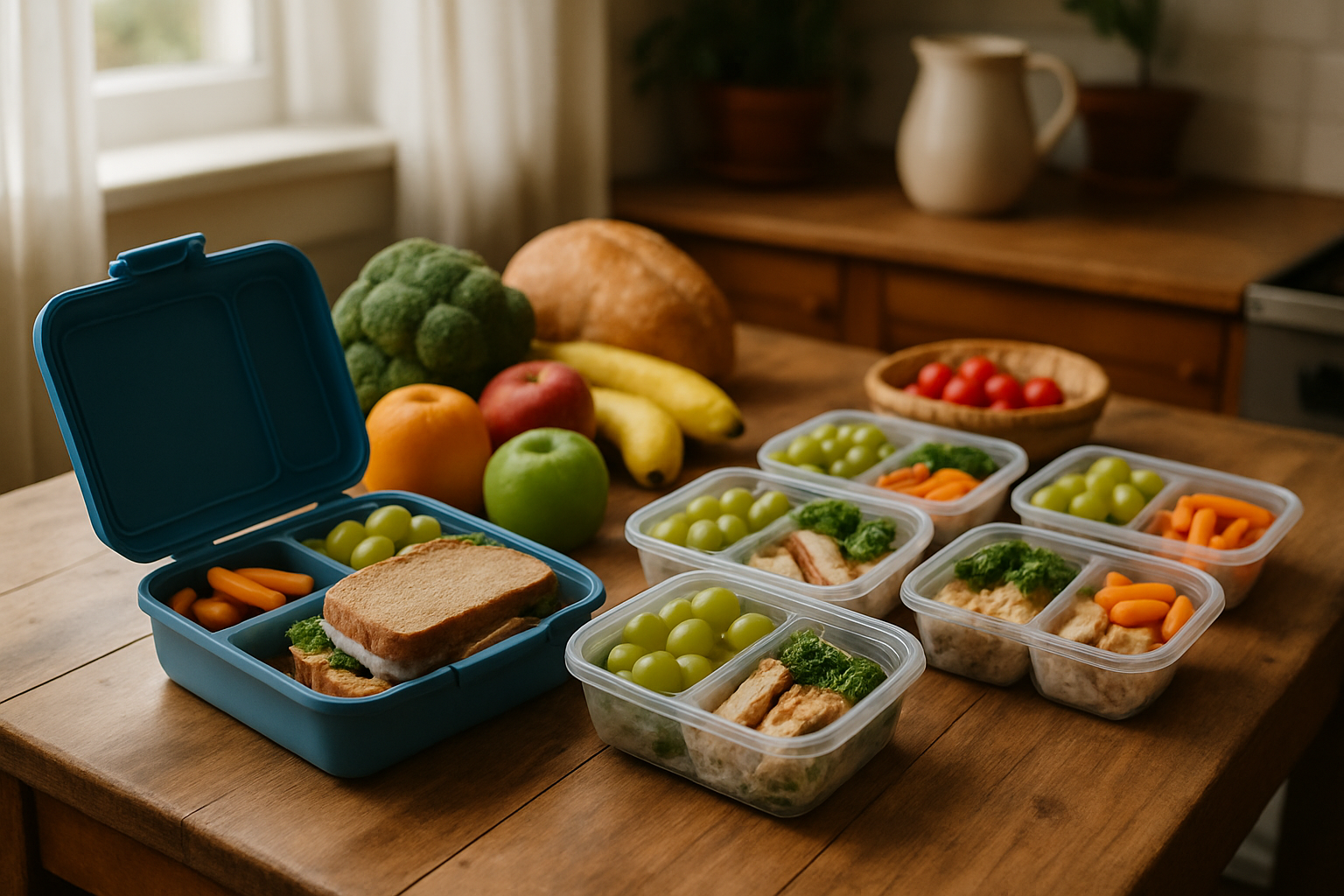
A lunchbox with one lonely apple and a squashed sandwich is usually a planning problem, not a cooking problem.
The goal is not to become a meal-prep influencer. The goal is to stop staring into the fridge every night and hoping a school lunch assembles itself. If you want to know how to plan school lunches for the week without losing your mind, use a simple system that cuts decisions, saves time, and still gives your kid food they will actually eat.
Start with a loose rotation, not a brand-new plan every week
The fastest way to burn out is to treat every lunch like a fresh creative project. You do not need seven completely different lunches. You need a small set of repeatable options that you can rotate.
Think in categories:
- A sandwich or wrap day
- A pasta or grain salad day
- A leftovers day
- A snack-style lunch day
- A thermos day, if your child likes hot food
That rotation does two things. First, it makes shopping easier because you are buying the same core ingredients again and again. Second, it makes packing easier because you already know the shape of the lunch.
If your child is picky, keep the rotation even simpler. Use one safe main, one fruit, one veg, one snack, and one dip. That is enough.
Build lunches around a few repeatable components
School lunches are easier when you stop thinking in full meals and start thinking in parts. Most lunches can be built from the same small set of components:
- Main: sandwich, wrap, pasta, rice, leftovers, or a thermos meal
- Fruit: berries, grapes, apple slices, orange segments, or whatever lasts well
- Veg: cucumber, carrots, peppers, snap peas, or leftover roasted veg
- Crunch: crackers, pretzels, pita chips, or popcorn
- Protein add-on: cheese, yogurt, hummus, eggs, beans, turkey, or nut-free alternatives if needed
You are not trying to create a gourmet bento box. You are trying to pack food that survives the school day and gets eaten.
A good rule: choose one main item to anchor the lunch, then add two or three easy sides. That keeps the box varied without turning it into a puzzle.
Do the school rules first, before you plan anything else
This part matters more than people think. If your school has allergy rules, nut restrictions, heating limits, or container requirements, handle those before you build the week.
Check the basics:
- Are nuts allowed?
- Does the school ban sesame, eggs, or other common allergens?
- Can food be warmed, or does it need to be eaten cold?
- Are there container size rules or waste-free expectations?
- Does your child need cutlery, a thermos, or an ice pack?
Once you know the rules, write them down somewhere you can actually find. Then you do not have to re-learn them every Sunday.
This is also the time to think about your child, not just the school. Some kids need everything separated. Some hate mixed textures. Some will eat a wrap but not a sandwich. Some need more food than a tiny lunchbox can hold. Plan around the real child, not the ideal one.
Batch the boring parts on Sunday
Sunday prep does not need to be a full kitchen marathon. It just needs to remove the most annoying steps from weekday nights.
Batch the parts that hold up well:
- Wash and dry fruit
- Peel and cut carrots, cucumbers, and peppers
- Portion dip into small containers
- Cook a grain, pasta, or rice for the week
- Make a protein that can be used in more than one lunch
- Slice cheese or portion crackers into grab-and-go amounts
If you use sandwich bread, you can also prep fillings ahead of time. Egg salad, chicken salad, tuna salad, hummus and veg, and sliced turkey all save time later.
Do not over-prep wet foods if they get gross by Wednesday. That is how good intentions turn into fridge waste. Prep what stays good. Leave the rest for later in the week.
Turn supper leftovers into tomorrow’s lunch on purpose
Leftovers are not a backup plan. They are part of the plan.
If you are already cooking supper, make enough for one lunchbox when it makes sense. That can be:
- Pasta with sauce
- Rice and stir-fry vegetables
- Meatballs
- Roasted chicken
- Chili or soup in a thermos
- Quesadillas
- Fried rice
- Shepherd’s pie or casserole leftovers
The trick is to think one step ahead while you cook. Before dinner is served, put aside a lunch portion in a container. If you wait until after the meal, leftovers tend to disappear.
This works especially well on busy nights. A planned leftovers lunch means one less thing to assemble later, and it often costs less than building a lunch from scratch.
Pack the night before whenever you can
Morning packing is where good intentions go to die. Night-before packing is calmer, faster, and less likely to end with a missing spoon or a half-filled water bottle.
A simple routine helps:
- Put the lunchbox on the counter after supper.
- Fill the main container and sides.
- Add the ice pack, cutlery, and napkin.
- Put the lunch in the fridge or by the door, depending on your routine.
If your child helps, keep it age-appropriate. Older kids can choose between two fruit options or add their own snack. Younger kids can help pack non-messy items, like crackers or sealed yogurts.
The point is not perfection. The point is removing decisions from the morning.
Use a repeatable weekly template
When you are tired, templates beat inspiration. A weekly lunch template gives you structure without making every day feel identical.
Try something like this:
- Monday: sandwich or wrap
- Tuesday: leftovers or thermos lunch
- Wednesday: snack-style lunch with protein and produce
- Thursday: pasta or grain bowl
- Friday: easy favourite, because everyone is tired
Then swap the details. A sandwich day can be turkey one week and hummus the next. A pasta day can become rice the following week. The shape stays the same, which makes planning much easier.
If your child hates surprise, keep one or two lunch items consistent every day. A familiar fruit or snack can make the whole lunch more acceptable.
Keep a short list of default lunches
You do not need a giant spreadsheet. You need a short list of lunches that you know work.
Make a running list of:
- 5 mains your child will eat
- 5 fruits that pack well
- 5 veg or crunchy sides
- 5 snacks or fillers
- 3 backup lunches for rough weeks
That list becomes your safety net. When you are stuck, you do not start from zero. You pick from the list and move on.
Also, keep one emergency lunch option in the pantry or freezer. That could be a frozen pasta portion, a soup, a muffin, or a simple sandwich kit. On chaotic weeks, that backup saves your sanity.
Make the grocery list from the lunch plan, not the other way around
A lot of lunch stress comes from shopping without a plan. You buy random lunch items, then still have no idea what to pack.
Instead, build the lunches first, then shop for what they need. That way your grocery list matches the actual week. You are not guessing. You are buying with a purpose.
This is also where leftovers help. If supper is already planned with lunch in mind, you can buy ingredients once and use them twice. That is the kind of boring efficiency tired parents need.
Keep the system small enough to repeat
The best lunch plan is the one you can do again next week.
If your system needs a perfect Sunday, fancy containers, or a heroic level of motivation, it will not last. Keep it plain. Keep it repeatable. Use the same lunch rotation, the same prep steps, and the same backup options until it becomes automatic.
That is the real answer to how to plan school lunches for the week: fewer decisions, a little prep, and a plan that respects your actual life.
If you want help turning supper plans into school lunches without starting from scratch every week, CartBrain can do the heavy lifting on the weekly meal side so your lunch prep starts from a better place.