 Cart
CartLitterless Lunch Ideas That Survive a Canadian School Day
Pack food your child can open, eat and bring home without buying a cupboard full of special lunch gear.
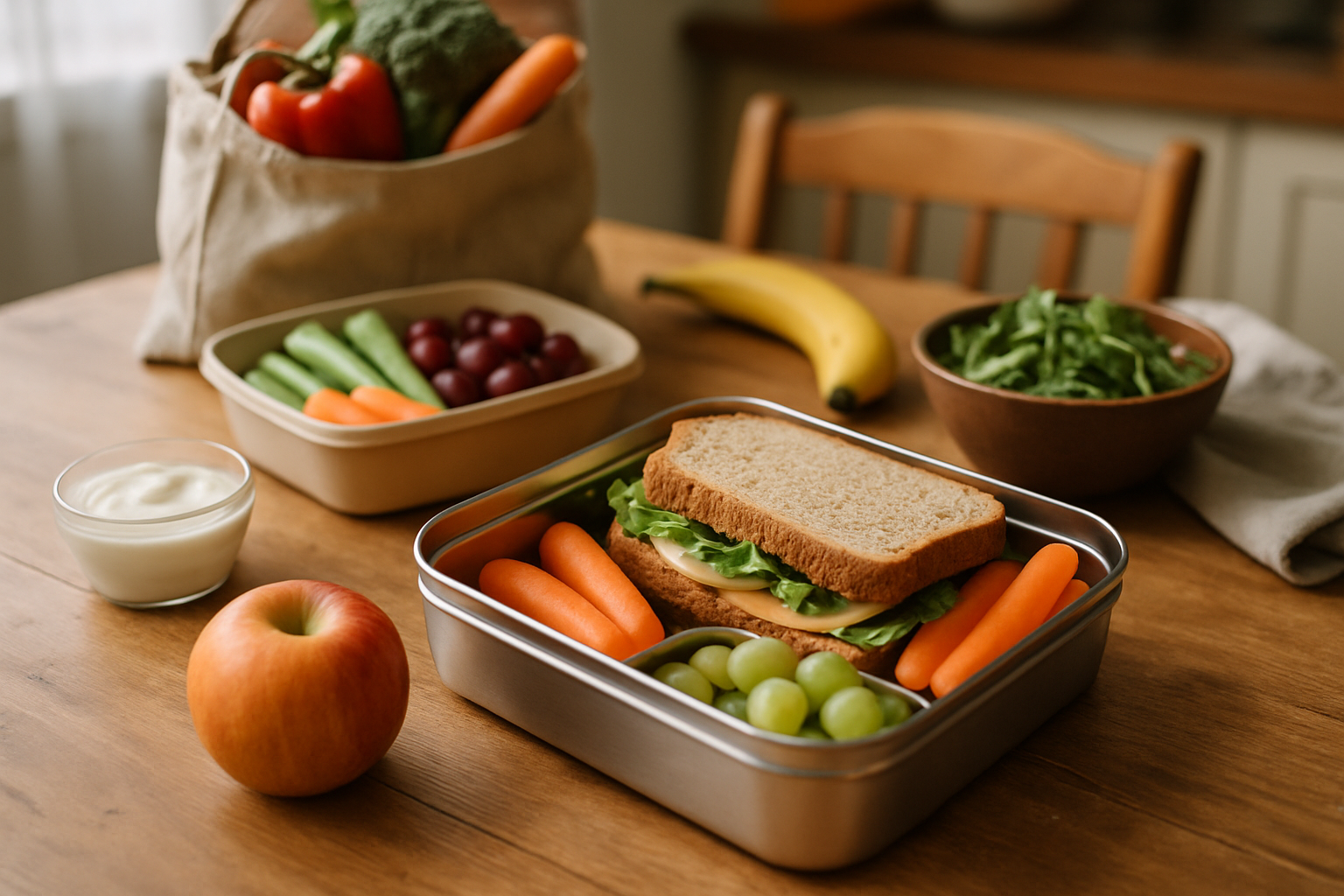
A half-eaten sandwich, banana peel and leaking yoghurt cup can turn a school lunch into a backpack clean-up job. That is the practical challenge behind litterless lunch ideas: less packaging, fewer forgotten scraps and containers that make it home in one piece.
Many Canadian schools use a litterless, waste-free or “boomerang lunch” approach. The exact rule is set by the school, school board or classroom. In some places, wrappers and containers come home. In others, the focus is simply reducing disposable packaging. Check your school’s current instructions before changing how you pack.
The good news is that a litterless lunch does not require a matching set of expensive containers. It needs a small system your child can manage.
Start with your school’s actual rules
Before buying anything, look for the school handbook, classroom note or board guidance. Rules can differ between schools, and sometimes between regular classrooms, field trips and special events.
Check these points:
- Whether all packaging must come home or whether some items may be discarded at school.
- Whether the school is nut-free, peanut-free or has another allergy restriction.
- Whether hot food is allowed.
- Whether students have access to a microwave. Many do not, and some schools do not allow students to use one.
- Whether reusable cutlery, drink containers and ice packs are expected.
- Whether glass containers are discouraged or prohibited because of breakage.
- How leftovers, compost and recycling are handled.
Do not assume that a product labelled “school safe” meets your school’s policy. Read the ingredient label and follow the school’s own wording. A nut-free rule may cover more than peanut butter sandwiches, so ask the school if the guidance is unclear.
Use containers your child can actually open
The best lunch container is not the one with the most compartments. It is the one your child can open, close and carry without help.
For a younger child, test each container at home. Put food inside, close the lid and ask your child to open it. Try it with small hands, a bulky sweater and a little hurry. If the seal is too tight, the tabs are confusing or the lid needs a precise angle, it may come home unopened.
Look for:
- A lid that closes with a clear click.
- Simple tabs rather than several fiddly clips.
- A shape that fits the lunch bag without forcing the zip.
- A seal that can be removed and washed properly.
- A size that suits the food your child usually eats.
- A design that does not depend on keeping every compartment upright.
Stainless steel containers can be durable, but they may be heavier. Plastic containers are often lighter and easier for small children to handle, but check them regularly for cracks, warped lids and stains. Silicone pouches can work for some foods, though they may be difficult for young children to fill or clean independently.
You do not need to replace everything at once. Start with containers you already own. Reuse takeaway tubs only if they are in good condition and suitable for the food you are packing. A clean jar may work for an older child, but glass is not a sensible choice for every backpack or school setting.
Make the lunch easy to sort
A litterless lunch works better when each item has an obvious home. Pack the main food in one container, fruit or vegetables in another, and a reusable napkin or cutlery set where it can be found quickly.
Avoid sending several loose items in a large bag. They are more likely to be forgotten, crushed or returned with food still inside. If your child brings food home, teach them to put every container back into the lunch bag before leaving the eating area.
A simple routine helps:
- Open the main container first.
- Eat the food that will not keep well outside the fridge.
- Close containers after eating.
- Put scraps and packaging back in the lunch bag if the school asks for a boomerang lunch.
- Bring the entire bag home.
For younger children, use a picture label or a consistent container colour. The goal is not perfect organisation. It is making the right action obvious.
Pack last night’s supper in a thermos
A food thermos can replace a single-serve packaged lunch, but only if your school allows hot food and your child can use it safely. There is no point sending soup if the lunchroom has no way to reheat it and your child dislikes eating it cold.
Preheat the thermos with boiling water for several minutes. Empty it, then add hot food that has been heated thoroughly at home. Keep the lid on until lunch. Follow the thermos manufacturer’s care instructions and test the routine at home before sending it to school.
Good candidates include:
- Pasta with sauce.
- Chilli or lentil stew.
- Rice with cooked vegetables and chicken or tofu.
- Macaroni and cheese.
- Soup that is thick enough to eat without constant spilling.
- Leftover meatballs with a small bun or vegetables.
Portion last night’s supper before serving dinner if you know it will become lunch. This prevents the lunch portion from being picked over and makes the morning easier. Pack a smaller amount than an adult dinner portion. A child is more likely to finish a manageable serving and bring home a clean container.
If your child does not eat leftovers, do not force the thermos system. A cold lunch made from familiar foods is better than an expensive container filled with food that returns untouched.
Buy larger packs and portion them at home
Single-serve packaging is convenient, but convenience often means more waste and less control over portions. Buy a larger tub, bag or block when it fits your household’s eating habits. Portion it into reusable containers at home.
Examples include yoghurt, cheese, crackers, hummus, cooked eggs, fruit and cut vegetables. You can portion several lunches while putting away groceries or preparing supper. Store the portions where your child can reach them safely, or keep them together in the fridge for quick morning packing.
This approach can support a grocery budget because you are choosing the amount that goes into the lunch instead of paying for a separate wrapper around every portion. It also reduces the risk of sending more food than your child will eat.
There is one important caution: buying bigger is not automatically cheaper if food spoils. Choose a larger pack only when your household can use it before it goes bad. Freeze suitable bread, cooked foods or fruit when appropriate, and plan lunches around what needs using first.
Build lunches from repeatable combinations
You do not need a new lunch idea every day. Create a short list of combinations your child accepts, then rotate the ingredients.
Try:
- Leftover pasta, cucumber and an orange.
- Cheese, crackers, sliced pear and vegetables.
- A thermos of chilli, a bun and fruit.
- Egg salad in a reusable container, pita and snap peas, if permitted by the school.
- Rice and cooked vegetables, with yoghurt or fruit on the side.
- A bean dip, tortilla wedges and cut vegetables, if the ingredients fit the school’s allergy rules.
Keep a “reliable foods” list on the fridge. Add foods your child eats without a debate. Remove foods that regularly return untouched. Litterless packing is easier when the lunch is familiar enough to be eaten.
Keep the system affordable and clean
You may need a leakproof container for wet foods, a thermos for approved hot lunches and an insulated bag if the school recommends one. Buy these based on a real problem, not because a lunch kit has a long list of accessories.
Wash containers as soon as they come home. Leave lids open while they dry. Check seals and corners for mould, cracks or trapped food. Replace anything that no longer closes properly. A reusable item only saves effort when it remains safe and usable.
Keep a backup container or two at home. You do not need a full duplicate lunch kit, but one spare can prevent a rushed morning from turning into a disposable-packaging day.
A litterless lunch is a household routine, not a test of parenting. Start with your school’s rules, choose containers your child can manage, use leftovers when they make sense and portion larger packs at home. CartBrain can help you plan a week of budget-conscious family meals so lunch ingredients and supper leftovers have a clear job before groceries come home.