 Cart
CartHow to Set a Grocery Budget That Works for Your Canadian Family
Skip imported benchmarks and build a flexible grocery budget from your own receipts, local prices, sale cycles, and household needs.
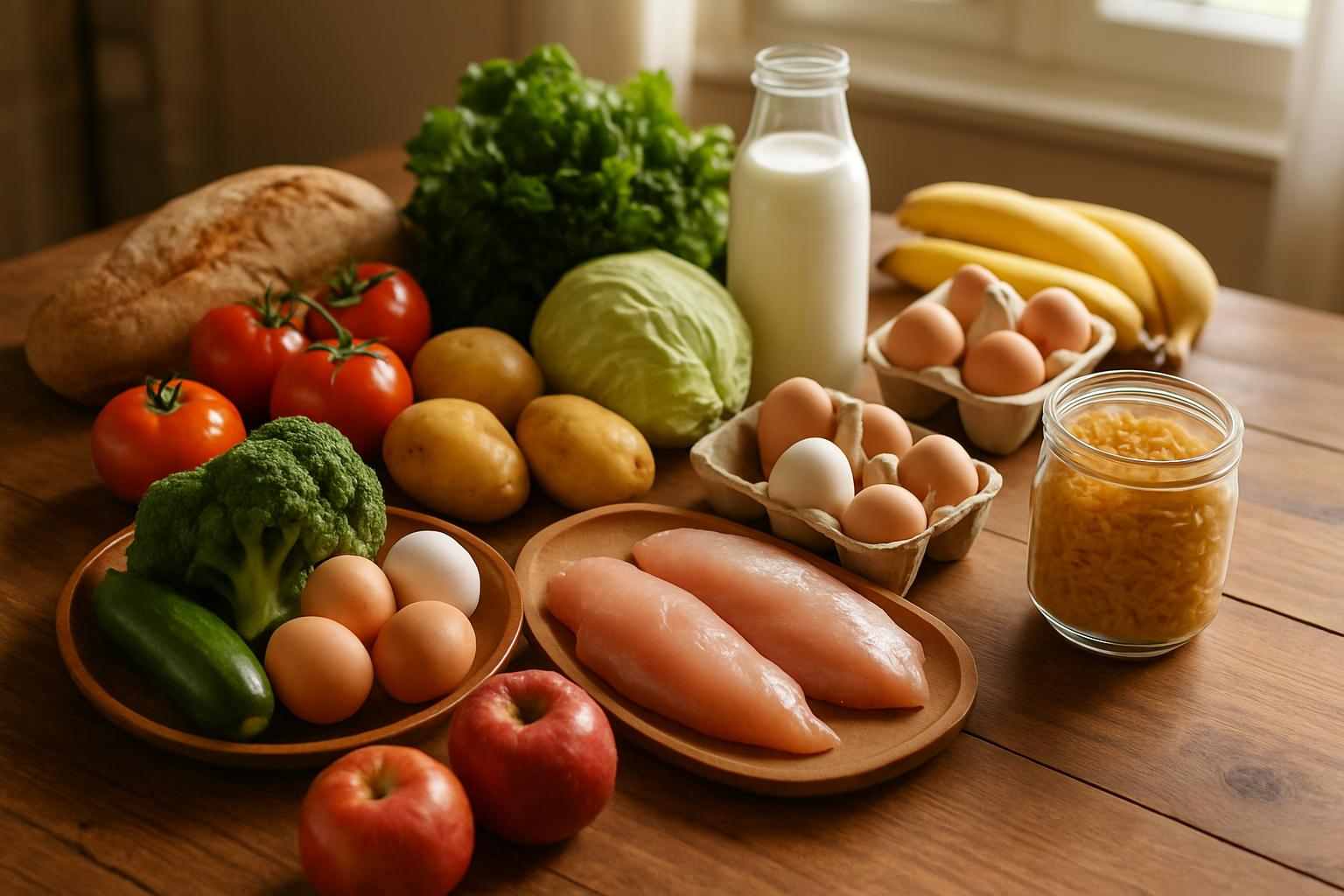
A grocery budget that works in an American envelope-budgeting video can fall apart at a Canadian till when milk, cheese, winter berries, and a weekly shop all land on the same receipt.
The problem is usually not that your family is careless with food. The number was never built for your household, your province, your stores, or your season. A realistic grocery budget for a Canadian family starts with your own spending history and stays flexible enough for real life.
Why copied grocery budgets fail in Canada
A neat benchmark from a US blog may look useful. It is not a proper starting point for a Canadian household.
Food prices vary by country, province, city, store banner, and even neighbourhood. A family shopping in a large Ontario city does not face the same choices as a family in Atlantic Canada, rural Manitoba, British Columbia, Yukon, or a northern community. The available stores may differ. Delivery costs may be different. Travel to shop may be part of the food budget too.
The basket itself also changes. Dairy can be a major part of a Canadian family's regular shop. Fresh produce that grows locally in summer may be imported or harder to find in winter. Some foods cost more because they travel farther or have fewer local alternatives. A household with teenagers, a baby, allergies, or a vegetarian family member will also have a different baseline than a household of two adults.
US envelope-budgeting advice can still offer a useful idea: give every dollar a job. But the actual amount has to come from your circumstances, not a video made for another country.
Start with the last two months
Your recent receipts are more useful than a national food-cost benchmark. They show what your family actually buys, where you shop, and which costs keep appearing.
Collect grocery receipts, online order histories, and notes from cash purchases for roughly the last two months. Include regular supermarkets, warehouse shops, produce markets, bakeries, and convenience stops if they are genuinely part of how your household gets food.
Then sort the spending into practical groups:
- Weekly meals and ingredients
- Breakfasts, snacks, and drinks
- Packed food for school, daycare, or work
- Household products bought during grocery trips
- Toiletries or personal-care items mixed into the receipt
- Pet food, if you include it in the same spending plan
- Takeout and restaurant meals, kept separate from groceries
- Stock-up purchases that will last beyond one week
Do not aim for perfect accounting. Aim for a clear picture. If you cannot separate every item, mark the uncertain amounts and use the same approach next month.
Look for patterns rather than judging individual receipts. Did one shop include a large household purchase? Did a birthday or holiday change the total? Did you buy extra meat or pantry staples during a sale? These details matter when you set a useful monthly target.
Find your normal monthly baseline
Add the grocery spending from the two months and divide by two. This gives you a starting baseline, not a permanent rule.
Before accepting it, check whether those months were ordinary. Two months with a move, illness, travel, hosting, or a major stock-up may not represent your usual needs. If one month was unusual, write down why rather than pretending it did not happen.
Your baseline should also reflect the way you shop now. If you regularly drive to several stores, buy from a warehouse club, or use a local market, include those habits. A budget that ignores your real shopping pattern will look tidy and fail quickly.
This is not permission to keep every expensive habit forever. It is a starting point that tells you what your current household requires. You can change the habits after you understand them.
Account for Canadian price differences
A Canadian grocery budget needs room for costs that change with location and season.
Dairy and refrigerated staples: Milk, cheese, yogurt, and butter may be regular household essentials. Build them into the normal grocery pattern instead of treating them as occasional extras. If your family relies on a particular product for dietary reasons, use the price you actually pay in your area.
Winter produce: Fresh berries, some vegetables, and other produce can cost more when they are imported or out of season. Frozen and canned options can help, but they may not replace every item your family wants. Plan for seasonal swings instead of treating a higher winter shop as a budgeting failure.
Remote and northern pricing: In smaller communities and northern regions, selection, freight, fuel, and distance can affect food costs. A household may need to buy more when a preferred item is available, travel farther for a full shop, or rely on shelf-stable foods. The right budget must account for access, not just supermarket shelf prices in a major city.
Regional store choices: Loblaws and No Frills, Sobeys and FreshCo, Metro and Food Basics, Provigo and Maxi, IGA, Super C, Atlantic Superstore, Save-On-Foods, Co-op, Giant Tiger, Bulk Barn, and Costco do not operate in the same way everywhere. Your local mix may include only some of them, or none. Check current prices, flyer details, loyalty rules, and price-match policies for your own stores rather than relying on old advice.
Separate weekly spending from stock-up spending
A sale week can make a monthly budget look broken even when the purchase was sensible. You may buy extra pasta, coffee, frozen food, meat, or pantry staples because the price is favourable and your family will use the food later.
That is why your budget needs a stock-up buffer. It is not a licence to buy every deal. It is a planned amount of room for useful purchases that are likely to be consumed before quality drops or the item is forgotten.
Keep a simple stock-up list. Include foods your household uses regularly, storage limits, and the price that makes buying extra worthwhile. Avoid stocking up on unfamiliar products or quantities your family cannot use.
Most supermarket flyers turn over on Thursday, although the timing and offers vary by chain and region. Review the new flyers before the shop, then decide which purchases belong in this week's meals and which belong in the stock-up portion of the budget.
If the buffer is not used, leave it available for the next sale cycle or reduce the following month's pressure. Do not force yourself to spend it.
Turn the budget into a monthly dial
A grocery budget should guide decisions, not punish you for buying food your family needs.
Set a monthly target with three parts:
- Your regular food baseline: the amount your recent receipts suggest you normally need.
- A stock-up buffer: room for sensible sale purchases and seasonal buying.
- A small adjustment allowance: room for guests, school events, changing appetites, dietary needs, or a more expensive month.
You do not need to divide the total into identical weekly amounts. One week may include a warehouse shop. Another may use freezer food and pantry staples. A monthly view handles those natural differences better.
At the end of each month, compare the plan with what happened. Ask practical questions:
- Did we run out of essentials before the next shop?
- Did we buy food that was never used?
- Were higher costs caused by location, season, or a one-off event?
- Did the meal plan match our actual schedule?
- Did the stock-up buffer help, or did it encourage extras?
Then turn the dial. Raise it when your household needs have genuinely changed. Lower it when you find a repeatable way to spend less without making meals worse. Do not change it because one unusually high receipt made you feel guilty.
Make the budget easier to follow
A number alone does not solve supper. Pair the budget with a short meal plan that uses what you already have, includes sale items you will actually eat, and limits the number of separate store trips.
Check your freezer and pantry before shopping. Choose flexible ingredients that can work in more than one meal. Leave one or two meals open for leftovers, quick pantry food, or a schedule change. A plan that has no room for real life often creates waste and an emergency shop.
Track the running total while you shop when possible. If a key item costs more than expected, swap a meal or remove a lower-priority item before reaching the till. That is easier than trying to explain the overage after the receipt is printed.
Your Canadian grocery budget does not need to match a stranger's benchmark. It needs to cover your household, your local prices, your seasons, and the way you actually shop. Start with two months of receipts, add a sensible stock-up buffer, and adjust the monthly dial as life changes. CartBrain can help turn that budget into a weekly supper plan built around your household, chosen stores, and current local flyers.