 Cart
CartMastering Grocery Shopping on a Budget Without Spreadsheets
Grocery shopping on a budget doesn’t have to involve complicated spreadsheets. Here’s how to do it simply and effectively.
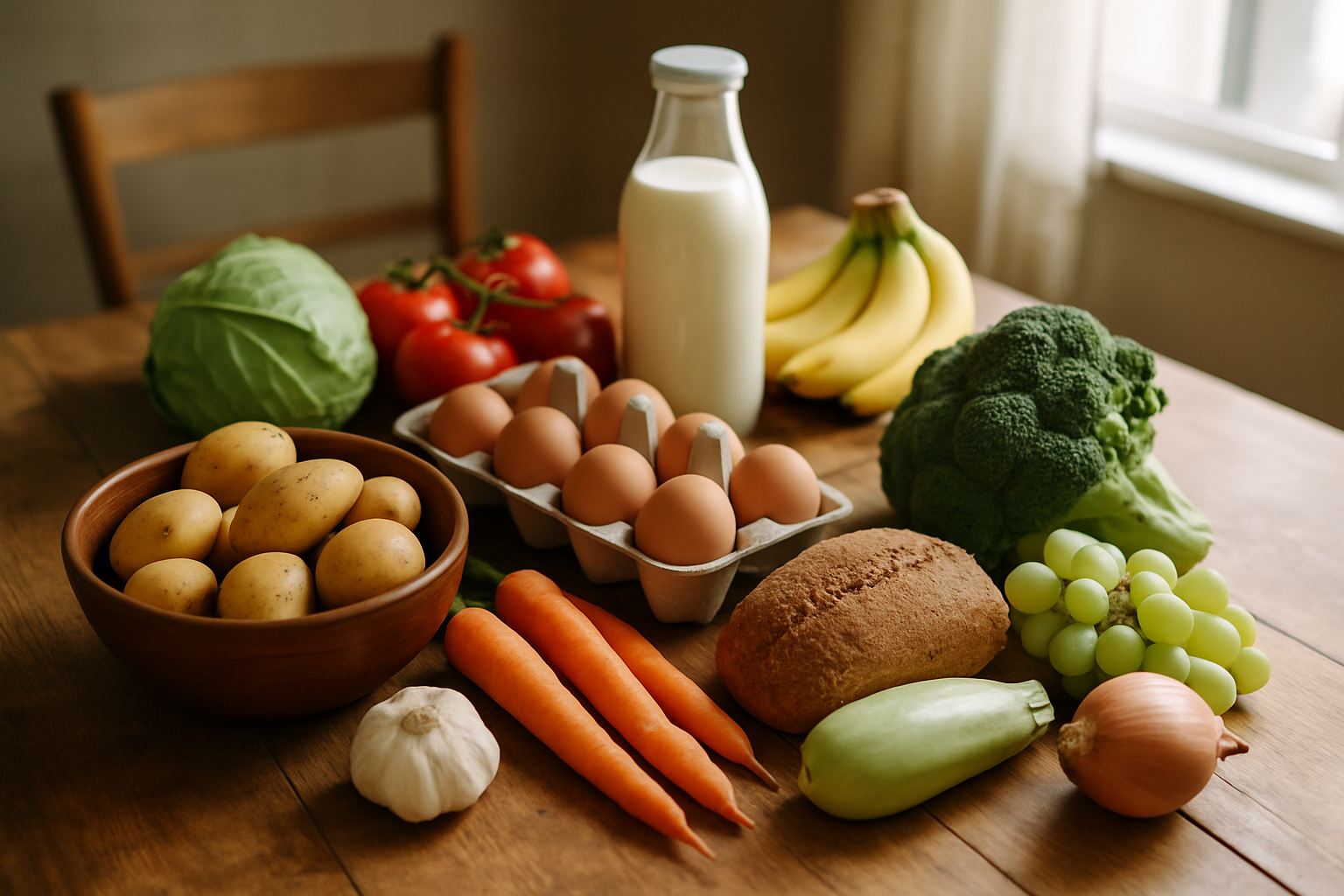
Budgeting for groceries can feel overwhelming. The thought of tracking every penny often brings spreadsheets to mind. But you don’t need to get lost in numbers to stay on budget. A solid plan and a few smart strategies can simplify your shopping trips and keep costs down.
Start with a Meal Plan
Begin by planning your meals for the week. Write down what you want to eat each day, focusing on ingredients you already have at home. This not only saves money but also reduces food waste. When you know what you’ll cook, you can shop with purpose.
- Choose versatile ingredients: Pick items that can be used in multiple dishes. For example, chicken can be grilled, stir-fried, or made into soup.
- Limit your meals: Aim for five to six different meals. This makes planning easier and allows you to buy ingredients in bulk, which often saves money.
Set a Budget
Decide how much you can spend for the week. It’s essential to have a clear number in mind before you step into the store. This keeps you focused and helps avoid impulse buys. Remember to consider local sales or discounts that might affect your budget.
Shop the Perimeter
Grocery stores typically place fresh produce, dairy, meat, and bread around the perimeter. These items are generally healthier and less processed than what you’ll find in the middle aisles. By sticking to the perimeter, you can avoid the temptation of snacks and other processed foods that can drive up costs.
Keep an Eye on Sales
When planning your meals, check local flyers for sales. Many grocery stores offer discounts on certain items each week. If you can, plan meals around these sales to maximize savings. This approach allows you to buy items when they’re cheapest, making your budget stretch further.
- Buy in-season produce: Fruits and vegetables in season are often more affordable and taste better.
- Look for clearance items: Many stores mark down products nearing their expiration date. If you can use them quickly, these can be great bargains.
Be Aware of Unit Prices
Understanding unit prices helps you make informed decisions. Compare the price per unit (like price per litre or price per kilogram) between similar products. Sometimes, larger packages are cheaper per unit. This can lead to significant savings over time.
Store-Brand Swaps
Don’t overlook store brands. They often offer the same quality as name brands but at a lower cost. Many stores have their own brands that frequently go on sale. Give them a try and see if they meet your family’s standards. You might be surprised at how much you can save!
Choose One Main Store
Stick to one grocery store for the bulk of your shopping. This way, you’ll become familiar with their layout, sales cycles, and pricing. While it’s tempting to bounce between stores for the best deals, this can lead to overspending on gas and time. If you need a specialty item, consider a second stop, but keep it minimal.
Keep a Running Tally
As you shop, keep a running total of your costs in your head or on a piece of paper. This prevents the checkout surprise that leaves you scrambling for extra cash or putting items back. Knowing how much you’re spending helps you stay within your budget and makes the experience less stressful.
Use Technology Wisely
While this guide focuses on shopping without spreadsheets, technology can still be your ally. Consider using a grocery budget app to help track your spending and save your lists. These tools can simplify planning and help you stick to your budget without the headache of spreadsheets.
In summary, grocery shopping on a budget can be straightforward if you plan ahead and shop smart. By focusing on meal planning, sticking to your budget, and using strategies like shopping the perimeter and watching for sales, you can make your grocery trips efficient and cost-effective. If you want to simplify meal planning further, consider using CartBrain for tailored meal ideas and budgeting support.