 Cart
CartHow to Grocery Shop When Your Canadian Town Has One Store
When there is one local grocery store, smart budgeting means planning around availability, storage, and the trips you can realistically make.
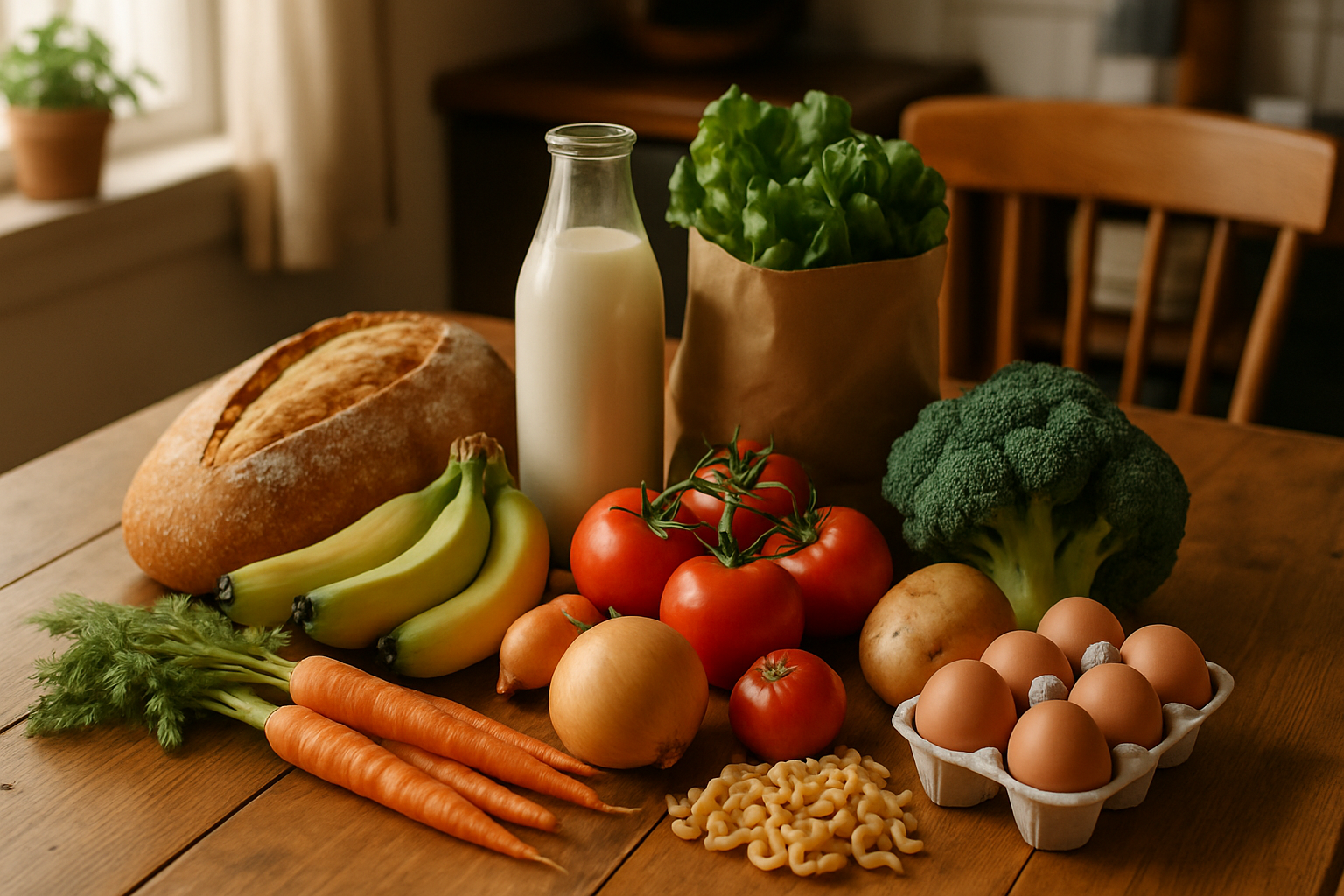
A single grocery store changes the whole budgeting game. You cannot compare five flyers, chase every discount, or pop into another shop when the milk is sold out. In a small Canadian town, grocery shopping is less about finding endless choice and more about making one store, one freezer, and one longer trip work harder.
That does not mean you are stuck paying full price for everything. It means the useful levers are different.
Stop budgeting as if you have five stores nearby
A lot of grocery advice assumes you can visit several stores within twenty minutes. That may work in a large city. It is not realistic when the nearest alternative is in another town, across a regional highway, or several hours away.
Your local store may be the only practical option for fresh food, forgotten ingredients, and emergency items. Treating it as a bad choice does not lower the bill. Building a plan around its limits can.
Start by separating your shopping into three groups:
- Items you must buy locally, such as fresh milk, produce, bread, and meat.
- Items worth buying during a larger-centre trip, such as pantry staples, household supplies, and freezer foods.
- Items you can skip, replace, or keep as a backup when the shelf is empty.
This simple split prevents you from making an expensive drive for one missing ingredient. It also stops you from filling a large-city shopping list with products that are cheaper to buy locally when fuel, time, and wear on the vehicle are included.
Let the local flyer set the week
When your town has one grocery store, its flyer matters more than a collection of competing flyers. Check the current flyer before deciding what meals to make. In Canada, many supermarket flyers turn over on Thursday, but your local store may use a different schedule or offer digital-only promotions. Check the store’s own current details.
Look for the ingredients that can anchor several meals:
- Chicken, ground meat, fish, or another protein you can portion and freeze.
- Potatoes, carrots, onions, cabbage, or other vegetables that hold well.
- Rice, pasta, oats, canned tomatoes, beans, and broth.
- Cheese, eggs, yoghurt, and other staples your household uses regularly.
- Frozen vegetables and fruit for weeks when fresh choices are limited.
Do not build a meal plan around every discounted item. Pick a few useful sale ingredients, then connect them to meals you already know your household will eat.
For example, a large pack of chicken can become a tray bake, soup, wraps, and a rice dish. Ground meat can cover chilli, pasta sauce, tacos, or meatballs. The goal is not novelty. The goal is using the same core ingredients in different ways without serving the exact same plate every night.
Stock up with limits, not wishful thinking
Buying extra only helps if the food gets used before it spoils. “On sale” is not a reason to buy a quantity your household cannot store or finish.
Before stocking up, ask three questions:
- Do we already use this regularly?
- Can we store it safely?
- Will we use it before the quality drops?
For shelf-stable foods, keep a simple maximum quantity in mind. You might keep two unopened bags of rice, several tins of tomatoes, or enough pasta for a few planned meals. The exact amount depends on your household, storage space, and how often you can shop.
For meat, divide large packs into meal-sized portions as soon as you get home. Label each package with the food and date. Flatten freezer bags so they stack neatly and thaw more safely. If something is buried at the bottom of the freezer, it is not really helping your budget.
Be cautious with bulk purchases in a small home. A large container may cost less per unit but still create waste if it goes stale, takes over the freezer, or leads to extra meals you did not plan to make.
Use the freezer as your second store
A reliable freezer gives you options when the local shelf is empty or the roads are poor. It also lets you buy according to the flyer instead of according to panic.
Useful freezer supplies include:
- Portion-sized meat, poultry, and fish.
- Loaves of bread, buns, and tortillas.
- Frozen vegetables and fruit.
- Grated cheese or cheese blocks divided into usable portions.
- Cooked beans, soup, chilli, and pasta sauce.
- A few complete emergency meals your family will actually eat.
Keep an inventory on the freezer door. It does not need to be fancy. Write down the main items and cross them off as they disappear. Once a week, check what needs using soon and plan a meal around it.
A freezer is not a substitute for safe food handling. Cool cooked food promptly, use suitable containers, label dates, and follow current food-safety guidance for storage and thawing. When in doubt, throw it out.
Make the larger-centre trip a project
A trip to a larger centre can offer more choice, but it can also become an expensive wandering exercise. Plan it as a batch of errands rather than a weekly grocery escape.
Before leaving, make a list divided by store and category. Include pantry staples, toiletries, pet supplies, paper products, and other items that are difficult or expensive to replace locally. Check what you already have first.
Then account for the full cost of the trip:
- Fuel.
- Parking or other travel costs.
- Food bought while you are away.
- Coolers, ice, and time on the road.
- The risk of buying extras because there are more choices.
There is no universal answer for how often this trip makes sense. A household in northern Ontario, rural Saskatchewan, coastal British Columbia, or Atlantic Canada may face very different distances and roads. Your best schedule depends on storage, vehicle reliability, work, school, weather, and the price difference you actually find.
If the trip is worthwhile, make it count. Buy items that store well, freeze well, or are difficult to find locally. Do not fill the vehicle with delicate produce that will spoil before the next planned meal.
Keep a shelf-stable backup plan
The most expensive grocery trip is sometimes the unplanned one after a missed trip, a storm, a vehicle problem, or an empty local shelf. A small backup cupboard can prevent that night from turning into takeout by default.
Choose foods your household will eat, not survival-kit ingredients nobody wants. A useful backup might include:
- Pasta and jarred or tinned sauce.
- Rice, canned beans, and tinned tomatoes.
- Tinned tuna, salmon, chicken, or another familiar protein.
- Oats and long-life milk or a milk alternative.
- Soup, crackers, and frozen vegetables.
- Peanut butter or another shelf-stable spread.
- Stock cubes, spices, and cooking oil.
Keep one or two simple meals in reserve. Make sure the ingredients work together and can be cooked with the equipment you have. Rotate these foods into normal meals and replace them during the next shop.
This is not about preparing for every disaster. It is about having enough food to handle one missed trip without ordering the first available dinner.
Plan substitutions before the shelf is empty
A one-store town requires flexible recipes. If your plan depends on one exact brand, cut, or vegetable, it will fail more often.
Write a substitution beside each meal. Use frozen peas instead of fresh beans. Use cabbage instead of lettuce in a wrap. Use lentils or beans when meat is unavailable. Use canned tomatoes when fresh tomatoes are poor quality or too expensive. Use eggs, cheese, or leftover chicken as the protein in a simple supper.
Choose recipes that share ingredients but do not require identical preparation. A roast chicken can become sandwiches, soup, and a pasta dish. Cooked rice can support fried rice, burrito bowls, or a quick side. Flexible meals reduce the pressure to shop again.
Build a shopping rhythm you can maintain
A practical routine might look like this:
- Check the local flyer and store notices.
- Review the freezer, fridge, and pantry.
- Pick meals that use what is already on hand.
- Add a small number of sale-led meals.
- Write substitutions for hard-to-find ingredients.
- Separate the local shop from the next larger-centre trip.
- Record what ran out, spoiled, or was forgotten.
Your notes will become more useful after a few weeks. You will learn which vegetables last, which staples disappear fastest, and which sale items are genuinely worth storing. That knowledge is more valuable than copying a generic grocery list built for a city with unlimited choice.
Grocery shopping in a small Canadian town is not about pretending you have the same options as a major city. It is about reducing unnecessary trips, using the flyer you actually have, and keeping enough food on hand to absorb delays and empty shelves. A weekly meal plan that works from your local flyer, household budget, freezer space, and planned store trips can make that routine easier; CartBrain can help organise those decisions in its web app. The aim is simple: fewer emergency drives, less waste, and supper covered.