 Cart
CartHow to Meal Plan on One Income Without Feeling Deprived
A practical way to keep dinner decent, the budget steady, and the month from going sideways.
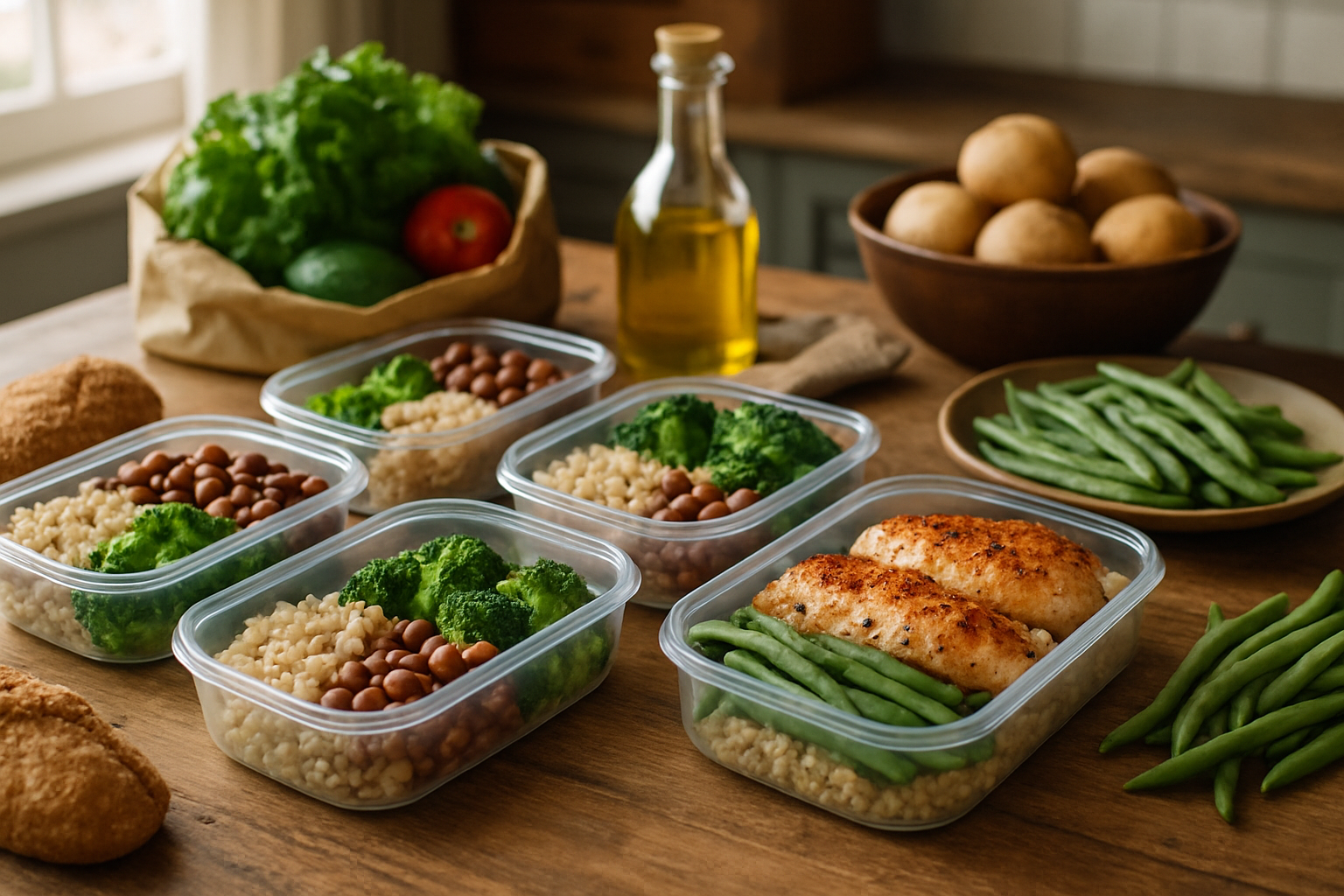
A tight grocery receipt does not mean your family has to live on sad dinners and repeat pasta forever. The trick is not to spend less by starving the plan. The trick is to give every dollar a job before you hit the store.
Start with one realistic weekly number
If you are trying to figure out how to meal plan on one income, start with the number that actually fits the household right now. Not the number you wish worked. Not the number that looked fine in a perfect month. A real number.
That number has to cover supper for the week, plus the usual extras that sneak into the cart. Think milk, bread, fruit, snacks, lunch items if they are part of your home, and a little wiggle room for price shifts. If the budget is too tight to include those basics, the plan will fail the first time someone runs out of cereal or the produce is pricier than expected.
Pick a weekly amount you can repeat. That matters more than trying to have one heroic cheap week and then blowing the next one. A steady plan is what keeps the month on track.
Build the menu from what you already have
Pantry-first planning is the fastest way to stop wasting money. Before you choose new recipes, look at what is already in the freezer, fridge, and cupboards. Half a bag of rice. A can of beans. Frozen chicken thighs. Pasta. Tortillas. A lonely jar of salsa. Those are not random odds and ends. They are dinner starters.
Make a short list of what needs using up soon. Then build meals around those items first. This does two things. It lowers the amount you need to buy, and it keeps food from getting pushed to the back and forgotten.
A good pantry-first meal plan does not need to be fancy. It just needs to be honest. If you already have ingredients for soup, stir-fry, pasta bake, or tacos, use them before buying another full cart of new ingredients.
Plan around sales, not cravings
When money is tight, sales should guide the week more than moods do. That does not mean you need to chase every deal or drive all over town. It means you choose meals that fit the flyers you already checked.
If chicken is on sale, build a couple of meals around chicken. If ground turkey, eggs, or pork are the better buy, lean that way. If produce is cheaper this week, use it heavily in sides, soups, and sheet-pan dinners. If nothing looks worth it, keep the menu simpler and use what you already have.
The goal is not to become a coupon magician. The goal is to stop paying full price for every single dinner just because it is Tuesday.
Use cheaper proteins without making dinner feel small
Protein does not have to be the most expensive part of the plate. A family on one income usually does better when meat becomes one part of the meal, not the whole identity of it.
Good lower-cost anchors include:
- Eggs
- Beans and lentils
- Canned tuna or salmon
- Chicken thighs instead of pricier cuts
- Ground meat stretched with rice, beans, pasta, or vegetables
- Tofu, if your family already likes it
You can also make meat go further by cutting it smaller and mixing it into something else. Think fried rice, pasta sauce, tacos, soup, curry, casseroles, and wraps. That way you still get the flavour and the satisfying feel of a proper dinner, without needing a giant portion of meat on every plate.
Keep one or two meatless nights on purpose
A meatless supper is not a punishment. It is a pressure release.
If every dinner has to include meat, the budget gets boxed in fast. A couple of meatless meals each week opens up room for better choices on the other nights. It also makes the plan easier to repeat because beans, eggs, lentils, and cheese-based meals often cost less and keep well.
Good meatless dinners do not need special ingredients. Try:
- Bean burritos or quesadillas
- Lentil soup with bread
- Veggie fried rice with eggs
- Pasta with roasted vegetables
- Baked potatoes with toppings
- Chickpea curry over rice
The point is not to make your family feel like they are being “good” by eating less. The point is to make the budget breathe.
Repeat the same building blocks
Variety matters, but so does not exhausting yourself. A one-income meal plan works better when you reuse ingredients in different ways.
Pick a few base ingredients for the week and let them show up more than once. For example:
- Rice for stir-fry and burrito bowls
- Roasted chicken for one dinner, then soup or wraps
- Ground meat for pasta one night and tacos another
- Vegetables used in a side dish, then chopped into eggs or soup
This keeps shopping simpler. It also lowers waste because you are not buying one-off ingredients that only work for one recipe and then sit around waiting for a second life that never comes.
Cut waste before it cuts your budget
Food waste is expensive because it hides in plain sight. A bag of spinach that goes slimy. Yogurt nobody finishes. Leftover rice that gets forgotten in the back of the fridge. A plan that ignores leftovers is not a plan. It is a donation to the bin.
Use these habits to keep waste down:
- Plan one leftover night or leftover lunch repurpose each week
- Cook the amount your family actually eats
- Store leftovers in clear containers so they are easy to see
- Put older produce at the front of the fridge
- Freeze extra bread, meat, cooked rice, and soup before they go bad
You do not need a perfect zero-waste kitchen. You just need fewer things slipping through the cracks.
Keep the plan simple enough to follow on a tired week
A meal plan only helps if you can use it when everyone is tired, you are short on time, and nobody wants a lecture about being grateful for lentils.
That means your weekly plan should be easy to shop for and easy to cook. Aim for meals with overlapping ingredients. Keep a couple of fast backup dinners in the house. Do not fill the week with recipes that need ten niche ingredients and a calm evening you do not have.
A practical week might look like this:
- One chicken dinner
- One pasta dinner
- One rice or stir-fry dinner
- Two meatless dinners
- One leftover or freezer dinner
- One flexible weekend meal
That is enough structure to protect the budget without making supper feel like a punishment.
Treat the meal plan as the tool, not the goal
Meal planning on one income is not about proving you can be extra disciplined. It is about keeping the month from drifting off course. The plan is there to reduce decision fatigue, cut waste, and make sure the groceries match the money.
When it works, dinner gets easier. The cart gets more intentional. The fridge stops turning into a graveyard of half-used ingredients. And you get a little more control back without needing a bigger income first.
If you want help turning a weekly budget into a real Mon–Sun supper plan, CartBrain can do the hard part for you: build meals around your budget, your stores, and what is on sale, then turn it into a grocery list you can actually use.