 Cart
CartHow to Eat Well Through a Canadian Winter Without Overspending
Build winter meals around sturdy vegetables, frozen produce, canned staples, and enough flavour to keep February dinners from feeling dull.
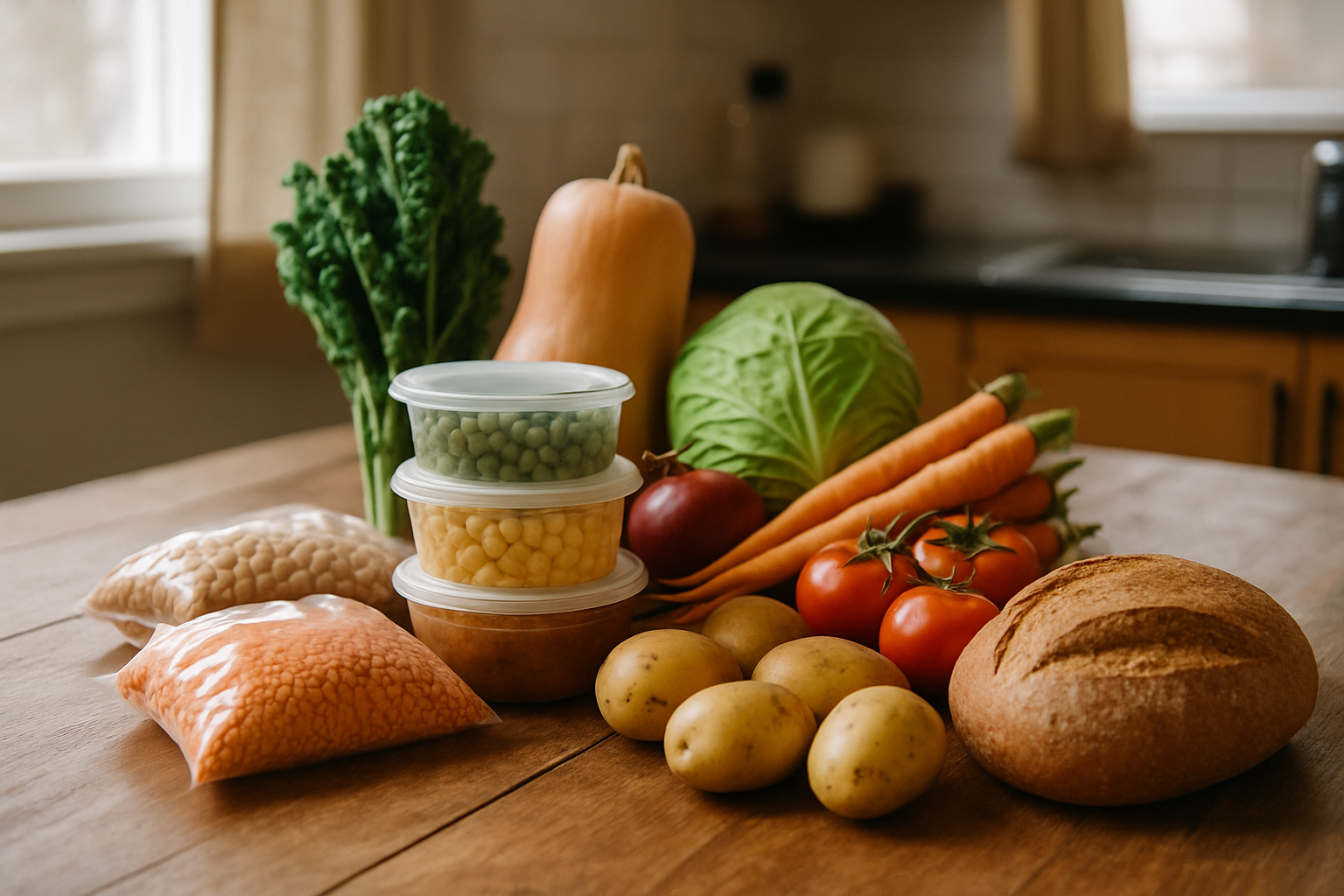
A small tub of imported berries can cost more than the vegetables for an entire pot of soup, especially when Canadian winter has settled in. That does not mean eating well has to wait for June.
Fresh produce is often more expensive in winter because much of it travels a long way to reach Canadian shops. Prices also vary by province, town, store banner, and the week’s supply. The practical answer is not to stop buying fresh food. It is to build your meals around the produce that stores well, then use frozen and canned options without apology.
Start with the vegetables that handle winter well
The best cheap vegetables in winter Canada has to offer are usually the unglamorous ones. They are sturdy, flexible, and useful in more than one kind of meal.
Look first for:
- Cabbage
- Carrots
- Onions
- Potatoes
- Winter squash
- Beets
- Turnip or rutabaga
- Sweet potatoes when the price works for your shop
These vegetables can carry a week of meals. Cabbage becomes slaw, soup, stir-fry, or a filling for wraps. Carrots work in lunch containers, stews, curries, roasted trays, and muffins. Onions form the base of nearly every savoury meal. Potatoes can be baked, mashed, roasted, or added to soup.
Buy the amount your household can use. A large bag is not a bargain if half of it ends up soft in the crisper. Check the unit price, but also check the usable portion. A smaller item you finish may be better value than a larger one you waste.
Treat frozen vegetables as planned food
Frozen vegetables should not live at the back of the freezer for the night when everything else has gone wrong. Put them on the shopping list from the start.
Many frozen vegetables are harvested when they are ready and frozen quickly, which helps them keep their texture and nutritional value. They are also washed, trimmed, and ready to cook. That saves time and reduces the chance of buying fresh vegetables with good intentions and no actual plan.
Useful freezer staples include:
- Peas
- Corn
- Green beans
- Broccoli
- Cauliflower
- Spinach
- Mixed vegetables
- Edamame
Frozen peas can go into pasta, fried rice, soup, or a creamy skillet meal. Frozen spinach disappears into eggs, tomato sauce, dal, and baked dishes. Frozen broccoli and cauliflower are easy additions to a sheet-pan dinner or a quick curry.
Choose plain frozen vegetables when you want the most flexibility. Season them yourself with oil, garlic, lemon, herbs, spices, or a little grated cheese. Flavoured and sauced versions can still be useful, but compare the ingredients and cost for your household.
There is no prize for using fresh vegetables when frozen does the job better for your budget and schedule.
Keep canned tomatoes and legumes in the pantry
Winter meals need a reliable backbone. Canned tomatoes and legumes do that job well.
Canned tomatoes bring acidity, colour, and depth to meals that might otherwise feel heavy. Keep a few forms on hand, such as diced tomatoes, crushed tomatoes, tomato paste, or whole tomatoes you can break up while cooking. They can become:
- Lentil soup
- Tomato and chickpea curry
- Pasta sauce
- Chilli
- Shakshuka-style eggs
- Braising liquid for cabbage or beans
Canned legumes make a meal more filling without requiring a separate meat portion every night. Chickpeas, kidney beans, black beans, white beans, and lentils all work in different ways. Rinse canned beans if you want to reduce some of the canning liquid and salt. Dried lentils are also useful because many cook quickly without soaking.
A simple formula is enough: one vegetable, one legume, one tomato product, and one strong flavour. Try cabbage, white beans, crushed tomatoes, and smoked paprika. Or carrots, chickpeas, tomatoes, and curry powder. Serve either over potatoes, rice, pasta, or bread.
Make winter vegetables taste like something
The problem with winter meals is rarely the vegetables themselves. It is usually a lack of contrast.
Add flavour in layers:
- Brown onions before adding liquid.
- Roast potatoes, squash, carrots, or beets to bring out sweetness.
- Add acid with lemon juice, vinegar, pickled onions, or a spoonful of yogurt.
- Use spices such as cumin, smoked paprika, curry powder, chilli flakes, or garam masala.
- Finish soups and stews with fresh herbs, green onions, toasted seeds, or grated cheese when available.
- Add crunch with cabbage slaw, roasted chickpeas, sunflower seeds, or chopped pickles.
A pot of beige food can still be comforting. It just needs a sharp, fresh, or crunchy element beside it.
Keep a few flavour shortcuts in the house. Garlic, ginger, soy sauce, hot sauce, mustard, salsa, bouillon, vinegar, and dried herbs can turn the same potatoes and carrots into very different dinners. You do not need a large collection of specialty ingredients. You need a few ingredients your family actually uses.
Plan meals around overlap, not repetition
Budget-friendly planning works best when ingredients appear in several meals without making every dinner taste the same.
For example, roast a tray of carrots, onions, squash, and potatoes. Use some beside chicken, eggs, tofu, or beans. Add the rest to soup. Keep a portion for grain bowls or wraps. Shred some cabbage for a crunchy topping instead of cooking all of it.
A practical winter week might include:
- A tray-bake dinner with potatoes, carrots, onions, and a protein
- Tomato and lentil soup with bread
- Cabbage stir-fry with frozen peas and rice
- Baked potatoes topped with beans, cheese, or leftover chilli
- Pasta with tomato sauce, spinach, and white beans
- Squash or carrot soup with a toasted sandwich
- A leftovers night that combines the remaining vegetables
This is not a rigid menu. It is a set of building blocks. Swap ingredients based on what is on sale, what your family eats, and what is already in the cupboard.
Use the freezer and pantry before shopping again
Before buying another fresh ingredient, check what needs using. A freezer inventory can prevent duplicate purchases and make meal planning less tiring.
Keep track of:
- Open bags of frozen vegetables
- Bread and cooked grains
- Leftover meat or beans
- Stock and tomato products
- Half-used bags of potatoes, onions, or carrots
- Herbs, sauces, and grated cheese
Label leftovers with the date and freeze portions that will not be eaten soon. A container of soup is not a failure to plan. It is a future supper that has already been cooked.
Storage matters too. Keep potatoes, onions, and squash in a cool, dark, dry place, but store potatoes away from onions where possible. Refrigerate cut vegetables promptly. Use the most delicate fresh produce first, then move through the hardier items.
Shop the flyer without letting it run the week
Canadian supermarket flyers usually turn over on Thursday, but the exact offers and selection depend on your area and store. Check the current flyer for the banners near you, whether that means No Frills, FreshCo, Food Basics, Maxi, Super C, Atlantic Superstore, Save-On-Foods, Co-op, IGA, Giant Tiger, Bulk Barn, Costco, or an independent shop.
Do not build a meal plan around a promotion until you confirm the size, quality, and rules at your own store. A sale is useful only if your household will eat the item and you can use it before it spoils.
Compare fresh, frozen, and canned versions of the same ingredient. You may find that frozen broccoli works better for one dinner, canned tomatoes are the right choice for another, and fresh cabbage is the best base for a third. The goal is not to buy the cheapest item in isolation. The goal is to assemble several meals with less waste.
Keep February meals colourful on purpose
Colour is not just decoration. It helps meals feel varied when the produce aisle is repetitive. Add red tomatoes, orange carrots, green peas, purple cabbage, yellow corn, or bright pickled vegetables. Use herbs when they fit the budget, but do not depend on expensive fresh garnishes for every meal.
Rotate cuisines and textures. Make one meal soupy, one crisp, one roasted, one saucy, and one built around a baked potato or grain. The same winter vegetables can feel completely different when you change the seasoning and cooking method.
A cheap winter menu should be sturdy, not sad. Plan around cabbage, carrots, onions, potatoes, squash, beets, frozen vegetables, canned tomatoes, and legumes. Then add enough acid, spice, crunch, and colour to make those dependable ingredients earn their place.
If you want help turning this approach into a Monday-to-Sunday plan that fits your household, budget, preferred stores, and local Canadian flyers, CartBrain can build the weekly supper plan and a store-split grocery list with cost tracking.