 Cart
CartThanksgiving Dinner on a Budget: Feed Ten for Under $100
A practical Canadian plan for stretching one turkey, simple sides and shared cooking into a Thanksgiving meal that aims to stay under $100.
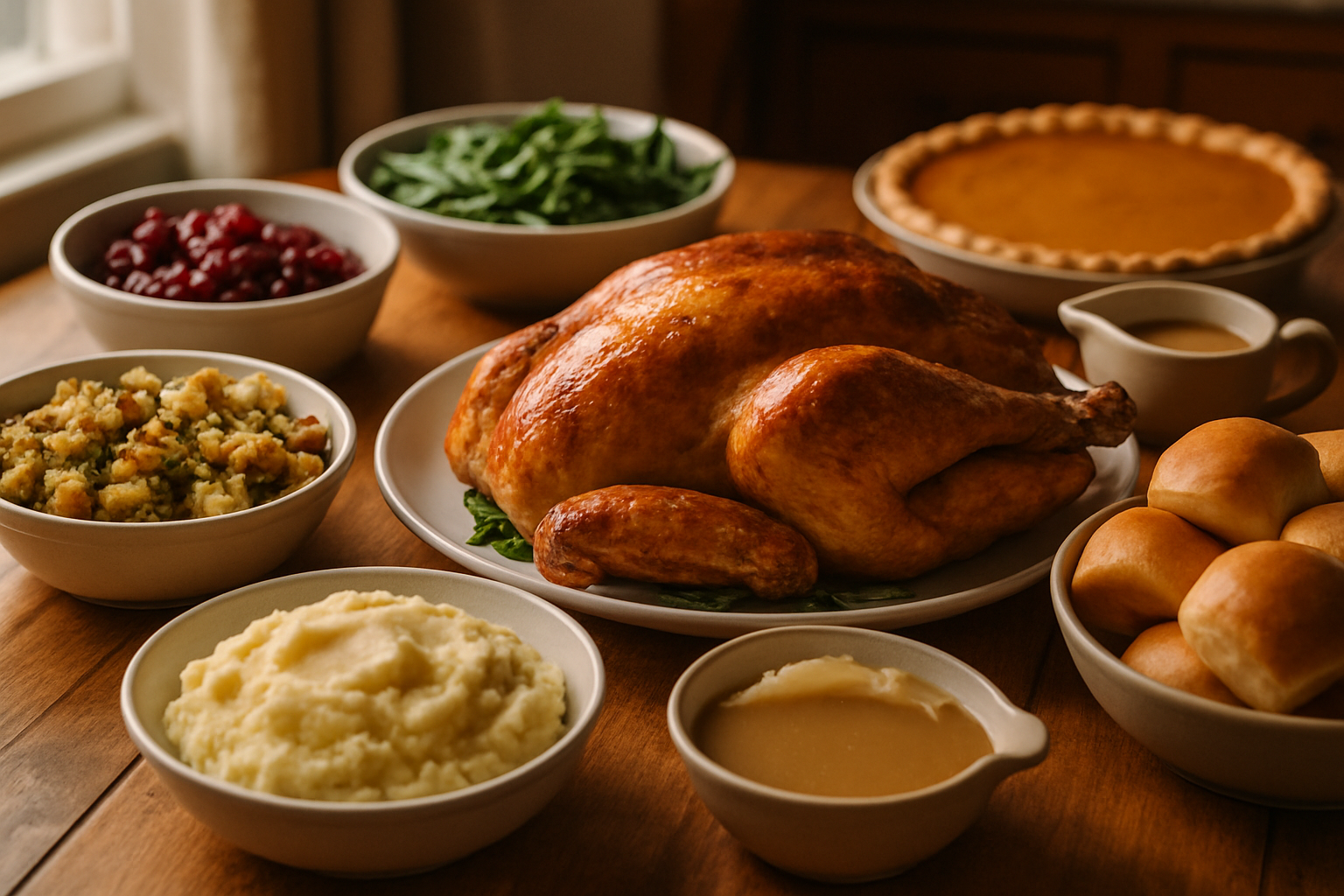
A turkey bought two weekends before Canadian Thanksgiving can change the whole dinner budget. Waiting until the holiday week means you may be choosing from what is left, instead of buying the best value for your table.
Feeding ten people for under $100 is a target, not a promise. Prices vary by province, town, store, turkey size and what you already have at home. The plan works best when you treat the turkey as the centrepiece, make inexpensive sides do the heavy lifting, and price the complete list before shopping.
Start with the turkey, not the recipe
Watch flyers two weekends before Thanksgiving. Many Canadian supermarkets feature whole turkeys ahead of the holiday, but the timing and selection can differ between regions. Check your local flyers for Loblaws or No Frills, Sobeys or FreshCo, Metro or Food Basics, Maxi, IGA, Super C, Atlantic Superstore, Save-On-Foods, Co-op, Costco or another nearby store.
Choose a turkey that gives you enough meat for ten without buying far more than you need. A whole frozen bird is often easier to budget than a fresh one because you can buy it when the price looks right and store it safely until the holiday. Leave plenty of refrigerator space and thaw it according to the package directions. Never rely on a last-minute thawing shortcut.
Read the conditions attached to any promotion. A flyer price may require a loyalty card, a minimum purchase, a specific size range or another condition. Store rules change, and they are not identical across Canada.
If the turkey uses too much of your cap, change the meal before changing the food-safety plan. A smaller bird with more filling sides is safer than trying to stretch an undersized turkey by undercooking it or rushing the thaw.
Make the sides carry the table
A generous Thanksgiving plate does not need six expensive recipes. It needs contrast: something creamy, something savoury, something green, something bright and enough gravy to bring it together.
Build the menu around inexpensive ingredients that overlap between dishes:
- Potatoes for mash and, if needed, extra bulk in a soup or hash later.
- Carrots, onions and celery for stuffing, gravy and roasted vegetables.
- A cabbage, squash or frozen vegetable for a filling side that does not depend on a premium seasonal price.
- Bread, rolls or a loaf for stuffing and the table.
- Flour or cornstarch for gravy, if you do not already have it.
- Cranberry sauce, homemade or purchased, depending on the flyer and your pantry.
- Apples, canned fruit or another simple ingredient for dessert if pie pastry is already on hand.
Choose two or three vegetable sides, not every side you have seen in a holiday magazine. Mashed potatoes, stuffing, roasted carrots and a simple cabbage or frozen-vegetable dish can feel abundant without requiring separate specialty ingredients.
Use the same base ingredients more than once. Onions can go into the stuffing, gravy and vegetables. Butter or margarine can finish several dishes. Stock can support gravy and stuffing. This is how a tight list becomes a full table.
Skip the store-bought pie
Pie is one of the easiest places to lose control of a small holiday budget. A ready-made dessert adds convenience, but it can take a noticeable share of the food budget without feeding the table more than a homemade option.
Use what is already in your kitchen first. A fruit crisp needs fruit, oats or flour, a little fat and a sweetener. A simple cake, bread pudding or baked apples can also work. If guests are bringing dessert, do not buy a backup pie out of habit.
Ask one guest to bring dessert before anyone shops. This turns dessert from a budget problem into a shared contribution. Be specific: “Please bring one dessert for ten,” rather than “Bring something if you can.”
Assign every guest a job
A host does not need to buy and cook the entire dinner. Assign a dish or task to every guest household, while keeping the turkey and final timing under one person’s control.
A workable split looks like this:
- Host: turkey, gravy and one main side.
- Guest one: stuffing ingredients or prepared stuffing.
- Guest two: a vegetable dish.
- Guest three: cranberry sauce or a salad.
- Guest four: dessert.
- Guest five: rolls, butter or a non-alcoholic drink.
If you are feeding ten people from fewer households, assign tasks rather than dishes. One person can peel potatoes. Another can wash and chop vegetables. Someone else can bring storage containers or handle dishes.
Be clear about portions and equipment. “Bring a vegetable” is vague. “Bring enough roasted carrots for ten, already cooked if possible” prevents duplicate dishes and last-minute shopping.
Keep a backup plan for allergies and dietary needs. Ask before assigning a dish, and avoid assuming that a guest can eat the same stuffing, gravy or dessert as everyone else.
Price the list before leaving home
A real shopping list is more than a collection of recipes. It should show every ingredient, the quantity needed, the store selling it and the price you found in the current flyer or online listing.
Start with a pantry check. Look for salt, pepper, cooking oil, flour, sugar, oats, spices, stock, foil and baking supplies. Do not count an ingredient as free if the container is nearly empty. Mark it as “check” and decide whether the recipe can work without it.
Then write the list in categories:
- Turkey and food-safety essentials.
- Produce.
- Bread, stuffing and grains.
- Dairy and cooking fats.
- Dessert ingredients.
- Drinks and extras.
Record package size, not just the ingredient. You may need two smaller bags of potatoes or one larger bag, and the cheapest unit is not always the lowest total at the checkout. Check the usable amount as well: a large vegetable with significant trimming may not be the best value for your recipe.
Compare the same item across nearby stores only if the extra trip makes sense. A lower flyer price can disappear through fuel, parking, delivery fees or an impulse purchase. If you shop at multiple banners, group the list by store and set a firm limit for each one.
Before shopping, add the turkey, every side, dessert and any required pantry top-ups. Include tax where it applies and leave room for an item you may have forgotten. If the total is already above your target, fix the menu at home. Do not wait until the checkout line.
Cut the menu when the total is too high
Make changes in this order:
- Remove a duplicate side.
- Use a pantry ingredient instead of a specialty item.
- Swap fresh produce for frozen when the current price is better.
- Choose one homemade dessert instead of buying several treats.
- Ask a guest to bring a missing dish.
- Compare store brands and package sizes.
- Recheck drinks, decorations and nibbles, which can quietly become a second meal.
Do not cut the ingredients that protect the meal: the turkey, safe thawing and cooking supplies, or enough food for the people attending. Cut variety before cutting quantity.
Cook for leftovers, not waste
Ten guests do not necessarily need ten full extra meals. Plan for a modest amount of leftovers and ask guests to bring containers if they want to take food home. Cool and refrigerate leftovers promptly, and use shallow containers so they chill efficiently.
Leftover turkey can become sandwiches, soup, wraps or a rice dish. Extra vegetables can go into soup or a frittata. Freeze suitable portions if you will not eat them soon. A budget meal is not a bargain if half of it ends up in the bin.
Your simple Thanksgiving budget rule
Buy the turkey when the flyer gives you a workable option. Build the meal around potatoes, bread, onions and affordable vegetables. Assign each guest a clear contribution. Price the complete list before shopping, then trim the menu before the store trims your budget.
For a quicker version of this process, CartBrain can build a weekly meal plan and store-split grocery list around your budget and the current Canadian or US flyers. Use it as a planning aid, then check your local store’s final rules and prices before you buy.