 Cart
CartThe Family Camping Meal Plan That Works With One Cooler
Plan the whole stay before you leave, freeze the first suppers, and make the cooler earn its space instead of shopping hungry by the lake.
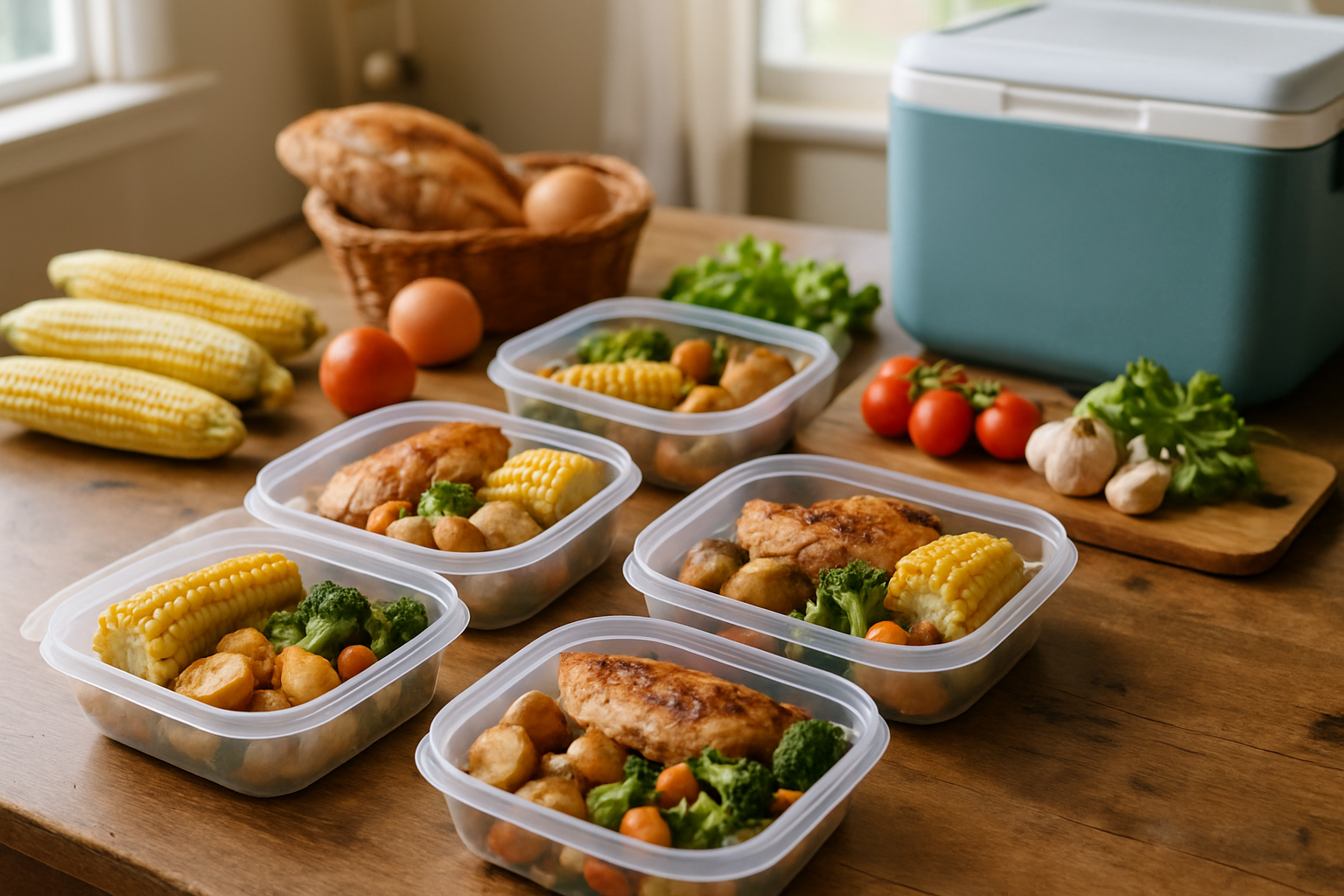
A tiny lakeside shop can turn one forgotten onion into an expensive detour, especially when six hungry people are waiting at the campsite. A proper camping meal plan for a family keeps the first meals cold, the cooking simple, and the emergency shop reserved for ice cream.
Camping food does not need to be fancy. It needs to survive a drive, fit the cooler, cook with limited equipment, and satisfy people who have spent the day swimming, hiking, or hauling firewood. The easiest way to make that happen is to plan the whole stay before packing the car.
Plan the stay, not just the menu
Start with the number of breakfasts, lunches, suppers, snacks, and drinks you need. Add one flexible meal for delays, bad weather, or a child who drops dinner in the dirt.
Then list the equipment you will actually have:
- A camp stove, barbecue, fire grate, or induction burner
- One frying pan and one pot
- A kettle or saucepan for boiling water
- A cutting board and one useful knife
- Tongs, a spatula, serving spoons, and can openers
- Plates, bowls, cups, and cutlery
- Washing water and a way to handle food waste
A cottage kitchen may have more equipment, but do not assume the knives are sharp, the pans are suitable, or the fridge has enough room for your food. Ask what is available before you build the menu around it.
Plan meals that reuse ingredients. Tortillas can handle breakfast wraps, lunches, and quesadillas. Cooked chicken can go into pitas, rice bowls, or a one-pan supper. Chopped vegetables can serve as sandwich fillings, taco toppings, or foil-packet ingredients.
Keep the menu familiar. Camping is a poor time to test a complicated recipe with six steps and a missing ingredient. Choose food your family already eats, then simplify it.
Freeze the first suppers at home
The best cooler space is working twice. Make and freeze the first one or two suppers at home, then use those frozen meals as cold packs during the drive.
Good choices include:
- Chilli in a leakproof container
- Cooked pasta sauce with pasta packed separately
- Marinated chicken or tofu for a pan or grill
- Burrito filling for tortillas
- Shepherd’s pie or a bean-and-vegetable bake
- Soup, stew, or curry that reheats well
Freeze meals flat in sturdy bags or shallow containers. Flat portions stack better and thaw more evenly. Label each one with the meal and any finishing ingredients needed. Put a meal in the refrigerator before leaving if it needs to thaw slightly for cooking; keep the rest frozen until they go into the cooler.
Do not rely on a frozen meal staying safe indefinitely. Pack it in a well-insulated cooler with plenty of ice or frozen cold packs, keep the lid closed, and use a food thermometer when you can. If perishable food is no longer properly cold, do not taste it to decide whether it is safe. When in doubt, throw it out.
A frozen supper can also protect more delicate food from temperature swings. Put it near the coldest part of the cooler, but keep raw meat sealed and separate from ready-to-eat food.
Give the cooler a hierarchy
A cooler is not a refrigerator. Every item inside should have a job and a place.
Must stay properly cold
These foods need careful handling:
- Raw meat, poultry, seafood, and eggs
- Milk, cream, yoghurt, and soft cheese
- Cooked leftovers and frozen meals once they thaw
- Cut fruit and vegetables
- Deli meat, prepared salads, and dips
- Opened cartons, jars, and sauces that require refrigeration
Pack these in sealed containers. Put raw proteins at the bottom so a leak cannot run over other food. Keep foods you will use first near the top, where you can reach them without rummaging through everything.
Prefers to be cool
Some food is better chilled but is less demanding before opening. Whole apples, oranges, carrots, cabbage, hard cheese, butter, tortillas, and unopened condiments can often be packed in a separate cool bag or dry bin, depending on the item and its label directions.
Read the package instructions. “Shelf stable” does not mean “safe after opening.” Once you cut, cook, or open something, its storage needs can change.
Does not need the cooler
Keep bread, crackers, oats, dry pasta, rice, canned beans, canned fish, peanut or nut butter, coffee, tea, spices, and unopened shelf-stable milk alternatives in a dry pantry bin. This leaves cooler room for food that genuinely needs it.
Pack the cooler with ice around the food, not just on top. Keep it out of direct sun and avoid using the same cooler for drinks if possible. A separate drinks cooler gets opened often; the food cooler should stay closed as much as you can manage.
Build simple meals around one pan
A good camping supper has three qualities: it cooks in one vessel, it uses ingredients you prepped at home, and it can be served without a mountain of dishes.
Try these combinations:
- Sausage, potatoes, and peppers: Slice the sausage and vegetables at home. Cook in a pan with oil and seasoning until everything is hot and tender.
- Bean and corn quesadillas: Pack grated cheese, tortillas, canned beans, corn, and salsa. Warm the filling, fold, and toast in a dry pan.
- Coconut chickpea curry: Bring a can of chickpeas, shelf-stable coconut milk, curry paste, quick-cooking vegetables, and microwave rice or naan.
- Chicken or tofu rice bowls: Cook the protein at camp with frozen vegetables and serve over prepared rice. Pack sauces separately.
- Taco skillet: Brown ground meat or use beans, then add corn, tomatoes, and taco seasoning. Serve with tortillas or tortilla chips.
- Pasta with vegetables: Boil pasta, drain it, then add sauce, pre-cooked vegetables, and grated cheese in the same pot.
For a cottage, use the same approach even if you have a full kitchen. Fewer pans mean less washing and fewer missing utensils to solve.
Use foil packets without making them soggy
Foil packets are useful when the grill or fire is doing the work. Cut ingredients to a similar size so they cook at roughly the same rate. Put dense ingredients such as potatoes on the bottom, add protein and quicker-cooking vegetables above them, then season and seal the packet securely.
Use a double layer of heavy foil. Leave a little room inside for steam. Mark packets with initials if everyone wants a different combination. Place them on a grill grate or camp stove pan, not directly in unpredictable flames, and open carefully because steam burns.
Good packet combinations include:
- Potatoes, onions, sausage, and green beans
- Salmon, lemon, and asparagus
- Tofu, mushrooms, peppers, and a soy-ginger sauce
- Chicken, corn, black beans, and salsa
Avoid putting raw poultry in a packet with food that you plan to eat immediately unless you can confirm the poultry reaches a safe internal temperature. Pre-cooking meat at home can make this method easier, but it still needs proper chilling, packing, and reheating.
Keep breakfasts and lunches boring on purpose
Breakfast should not require a queue for the only frying pan. Pack oats, cereal, yoghurt, fruit, boiled eggs, breakfast sandwiches, or tortillas with cheese and pre-cooked sausage. If you bring eggs, protect them in a rigid container rather than letting them roll loose in the cooler.
Lunches should travel well. Use wraps, pitas, bagels, cheese, whole fruit, vegetables, crackers, tuna packets, and leftovers that have stayed cold. Assemble sandwiches close to eating time so bread does not turn wet.
Set out snacks before anyone starts asking for a snack. Popcorn, trail mix, granola bars, dried fruit, pretzels, and shelf-stable pouches can live in the pantry bin. Bring a small rubbish bag and a container for reusable packaging.
Create a camping pantry bin
Keep a lidded bin with the camping gear so you are not rebuilding the kitchen every summer. Check it before each trip and replace anything used or stale.
A useful bin may include:
- Salt, pepper, oil, and a few family-favourite spices
- Coffee, tea, sugar, and drink powders
- Foil, parchment, food bags, and reusable containers
- Matches or a lighter stored safely and dry
- Can opener, peeler, cutting board, and sharp knife
- Dish soap, scrubber, towels, and hand sanitiser
- Tongs, skewers, measuring spoons, and clips
- Paper towels, rubbish bags, and food-storage labels
Store fuel separately according to the equipment instructions. Keep cleaning supplies away from food, and check that nothing has leaked before putting the bin in the vehicle.
Pack in meal order
Write the menu on a sheet of paper and pack by use. Put the first supper at the top of the food cooler. Group breakfast items, lunch items, and later meals so you are not unpacking the entire load beside the lake.
Before leaving, portion meat, wash sturdy produce, grate cheese, mix sauces, and label containers. Leave delicate washing and cutting for home only when it could affect food safety or quality. The goal is not to prepare every bite. It is to remove the fiddly work from a campsite with limited water and counter space.
A camping meal plan for a family works best when it leaves room for weather, appetite, and one meal that goes sideways. If you want help turning your household, budget, chosen stores, and this week’s Canadian or US flyer deals into a week of meals and a store-split grocery list, CartBrain can handle the planning before you start packing the cooler.