 Cart
CartMeal Planning When You Work Shifts: Nights, Rotations and the 12-Hour Day
Build meals around who is home, what can hold and when people can eat—not an imaginary family supper at six.
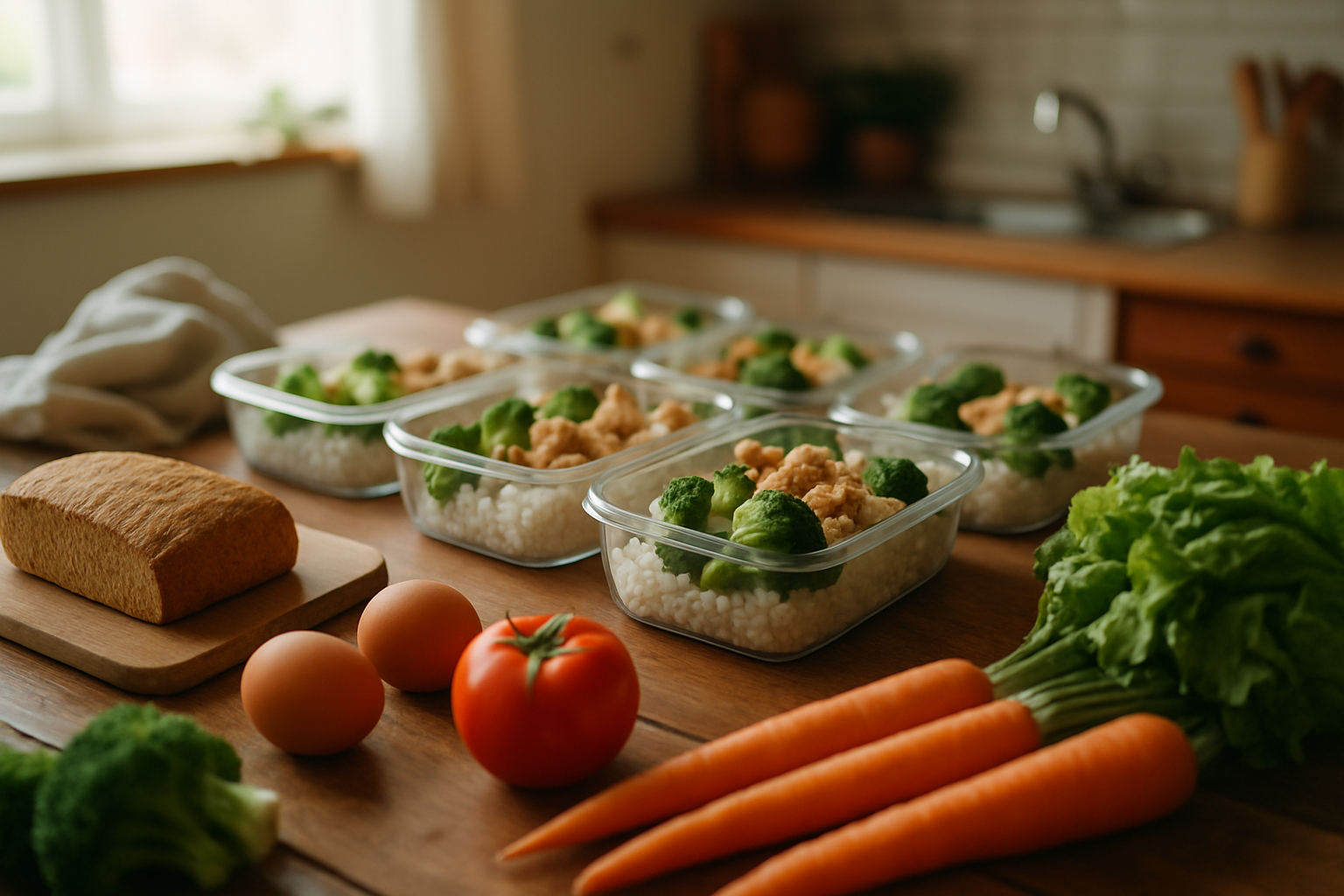
A 12-hour shift can turn “supper at six” into a meal eaten from a container in a break room, a microwave meal at midnight or toast grabbed before bed. Standard weekly meal plans do not handle that well. They assume the same people are home at the same time every day.
Shift work needs a different system. Plan around who is home, the type of shift they are working and how well each meal survives waiting, reheating or being eaten quietly. The goal is not a perfect family schedule. It is fewer skipped meals, fewer emergency takeout decisions and less food wasted in the fridge.
Start with the rotation, not Monday to Sunday
A repeating Monday-to-Sunday plan is tidy, but it may not match your household. A rotating schedule works better when nights, early starts, weekends and days off change from week to week.
Before choosing meals, mark the week by household pattern:
- Full-house days: Most people are home and can eat together.
- Split days: One person is working while others eat at different times.
- Long-shift days: Someone needs food packed for a full workday.
- Recovery days: A night-shift worker may be sleeping while the rest of the household is awake.
- Transition days: Someone is moving from nights to days, or from workdays into days off.
Then assign meal types to those patterns. Full-house days can handle a meal that needs a little finishing. Split days need food that portions cleanly. Long-shift days need packed meals and snacks. Recovery days need quiet, low-effort options.
This prevents a common mistake: planning a recipe for the calendar instead of planning food for the people who will actually be home.
Use a three-part meal plan
For every day in the rotation, plan three things separately:
- The main family meal. This may be eaten together or in separate portions.
- The packed meal. This is for anyone working a long or overnight shift.
- The quiet option. This is for the person sleeping during normal meal times or waking when the kitchen is busy.
Not every person needs all three. The point is to notice the gaps before they become a drive-through stop or a skipped meal.
A shift-work plan might include:
- A baked pasta dish for the family meal.
- A portion packed with fruit and yoghurt for a worker’s first break.
- A sandwich, overnight oats or leftovers for someone waking after a daytime sleep.
This approach also makes leftovers more useful. Instead of treating leftovers as an afterthought, plan them as the next meal for a specific person.
Pack two meals for a 12-hour shift
A single packed lunch often does not cover a 12-hour day. It may be eaten too early, leave the worker hungry later or encourage an expensive convenience meal near the end of the shift.
Pack two proper eating points, not one oversized container. The first can be the main meal. The second can be a smaller meal or substantial snack, depending on the workday and access to breaks.
Good combinations include:
- Chicken, rice and vegetables, followed by a cheese sandwich and fruit.
- Lentil soup with a roll, followed by yoghurt, nuts or a boiled egg.
- Pasta salad, followed by hummus with vegetables and pita.
- A burrito bowl, followed by overnight oats or a bean-and-cheese quesadilla.
- Leftover stew, followed by a wrap filled with the same vegetables and protein.
Pack food in separate containers when possible. A main meal, a second meal and easy snacks are easier to manage than one large box that does not suit every break.
Check the workplace basics before relying on a plan. Is there a fridge? A microwave? A kettle? A secure place for food? Can the worker take a full break, or do they need something that can be eaten quickly? The best meal is one that fits the actual conditions.
Choose suppers that hold honestly
Some meals are built for shift households. Others are only good straight from the pan. Choose recipes that still taste and feel right after sitting, chilling or reheating.
Reliable options include:
- Chilli, bean stew and lentil curry.
- Soups with bread or wraps on the side.
- Baked pasta, lasagne and cottage pie.
- Pulled chicken, pork or jackfruit for bowls, wraps and sandwiches.
- Sheet-pan vegetables with a cooked protein added when each person eats.
- Rice or grain bowls with toppings stored separately.
- Frittata, egg muffins and savoury muffins.
- Slow-cooker meals that can be portioned through the day.
Be careful with food that becomes soggy or dry quickly. Keep crunchy toppings, fresh herbs, sauces and salad ingredients separate. Reheat rice, pasta and proteins with a little moisture when needed, and follow safe food-storage and reheating practices.
A slow cooker can help, but it is not a magic answer. It works best for meals that hold their texture and can be served in portions. Add quick sides separately if the household needs variety. Frozen vegetables, bagged salad or bread can make the same main meal feel complete without creating another cooking job.
Solve the day-sleeper problem
A person sleeping after a night shift needs food available without a noisy kitchen, bright lights or a full cooking session. This is a household logistics problem, not a lack of motivation.
Create a small quiet food zone in the fridge. Label containers clearly. Keep ready-to-eat options where they can be reached without moving every shelf. A note on the fridge can say what is available and what needs heating.
Quiet options include:
- Overnight oats or yoghurt with fruit.
- Cold pasta salad or grain salad.
- Sandwiches and wraps made in advance.
- Hard-boiled eggs, cheese and cut vegetables.
- Hummus with pita or crackers.
- Cold chicken, tofu or beans with a tortilla.
- Smoothies prepared in the fridge, if blending can wait until the sleeper is up.
- Muffins, banana bread or other planned baking with a protein-rich side.
Do not make the day sleeper responsible for cooking immediately after waking. Give them one ready meal and one flexible option. That small amount of planning can protect sleep and reduce conflict in the rest of the house.
Keep one shared meal in the rotation
Shift work can make family meals feel impossible, but they do not need to happen daily to matter. Choose one shared meal somewhere in the rotation rather than forcing every day into the same timetable.
It might be breakfast after a night worker wakes, lunch on a day off, or a late meal before an evening shift. The food can be simple: tacos with toppings on the table, soup and sandwiches, pancakes, or a build-your-own rice bowl.
Make the shared meal flexible. Anyone who needs to eat earlier can have a portion. Anyone arriving later can reheat theirs. The important part is having a repeatable point of connection, not producing a perfect photograph of everyone seated at once.
If the shift rotation is especially demanding, make this shared meal a batch-cooking anchor. Cook one main dish together, portion the leftovers and prepare the packed meals for the next work block.
Shop for components, not seven separate recipes
Shift households usually need flexibility more than recipe novelty. Build the grocery list around components that can move between meals:
- Two proteins or plant proteins.
- One or two grains, potatoes or pasta.
- Several vegetables that work raw and cooked.
- Wraps, bread or pitas.
- Fruit and simple snack foods.
- Ingredients for one soup, stew or casserole.
- Sauces and toppings that can change the flavour.
For a Canadian household, the exact choices will depend on province, season, local availability and the stores nearby. A household shopping at No Frills, FreshCo, Food Basics, Super C, Save-On-Foods, Co-op, IGA, Costco or a smaller local shop may build a very different basket. Use the weekly flyers you actually receive, then choose meals that use the same ingredients in several ways.
Before shopping, check the rotation again. You may need more packable food than usual, or fewer fresh items if nobody will be home to eat them. Buy for the people and shifts on the schedule, not for an ideal week.
Make the plan visible and easy to change
Put the plan somewhere everyone can see it. A fridge note, shared calendar or simple whiteboard is enough. List the meal, the person it is for and any action required.
For example:
- Main meal: chicken and vegetable rice bowls.
- Night shift pack: rice bowl plus yoghurt and fruit.
- Day-sleeper option: wrap, cut vegetables and hummus.
- Next action: move two portions from freezer to fridge.
Use a short swap list for difficult days. If cooking falls apart, the household should already know the backup: frozen soup, eggs on toast, quesadillas, rotisserie chicken used within safe storage limits, or a prepared meal from the freezer.
Meal planning shift work is not about controlling every meal. It is about making the next reasonable choice obvious when sleep, work and family schedules do not line up. A flexible rotation, two packed meals for long days, quiet food for day sleepers and one shared meal can do most of the heavy lifting. CartBrain can help you turn that rotation into a weekly supper plan and grocery list based on your household, budget and local flyers; its weekly meal planner is free to start, while the per-child lunchbox planner is a paid upgrade.