 Cart
CartMeal Planning for Shift Workers with Kids When Dinner Is Never at Six
Plan around who is home, what can be reheated safely, and which meals survive a 5 a.m. lunchbox rush.
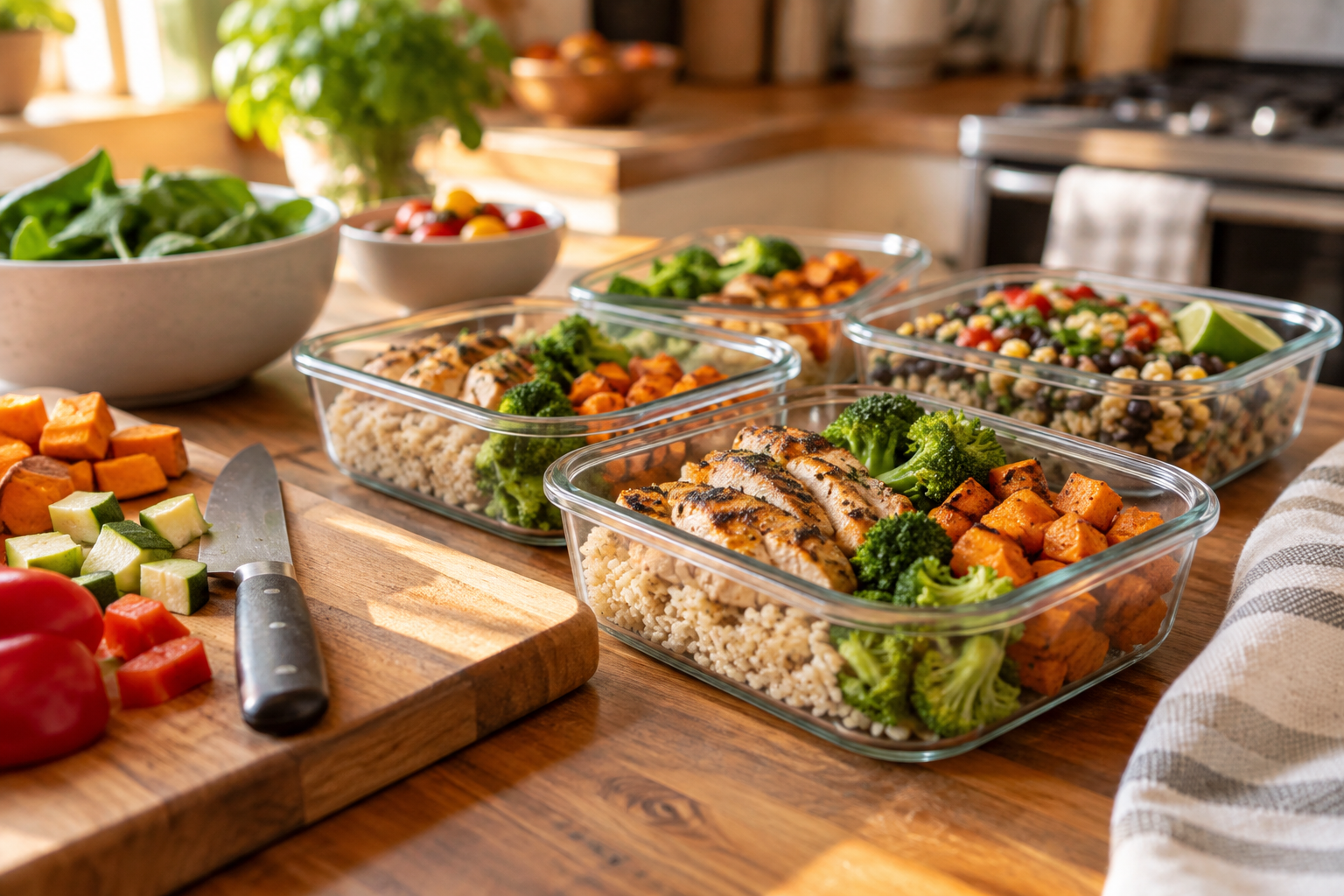
A casserole labelled “Tuesday dinner” is not much help when Tuesday’s cook is sleeping after a night shift. Meal planning for shift workers with kids needs a different organising principle: plan around people, handoffs, and reheating—not the clock.
A rotating schedule can change halfway through the week. One parent may be home for breakfast but gone at supper. A child may need a packed meal before school while another family member is just getting home from work. The goal is not a perfect seven-day timetable. It is a food system that still works when the timetable moves.
Start with the people who will cook
Put the work schedule beside the school, daycare, and activity schedule. Then mark who can realistically do each job:
- Cook a full meal
- Reheat a prepared meal
- Assemble a quick meal
- Pack a lunchbox
- Wash and put away dishes
- Handle leftovers
Do not assign cooking to a day just because it is a weekday. Assign it to the person who is actually awake, home, and able to do it.
For example, “Wednesday: chicken” is vague. “The person home Wednesday afternoon reheats chicken and cooks rice” is useful. “After the night shift, grab soup from the fridge; no cooking” is even better.
Use simple labels on your plan:
- Cook: a full meal needs making
- Assemble: combine prepared parts
- Reheat: warm a cooked meal
- Emergency: a low-effort backup
This removes the question of what dinner is supposed to be. It also makes the plan easier for a partner, older child, or family member to follow.
Plan by handoff, not by calendar day
Shift work creates handoff points. One person cooks before leaving. Someone else eats later. A child serves themselves after an activity. The meal plan should show what happens at each handoff.
For every main meal, answer four questions:
- Who prepares it?
- Who eats it first?
- Who needs to reheat it?
- What happens to the leftovers?
A meal can cover more than one handoff. A pot of chilli might be dinner for one parent before work, a reheated meal for the children later, and lunch for another adult the next day. That is not repetitive planning. It is efficient planning.
Choose meals that hold their texture and flavour after storage. Think chilli, lentil stew, pasta sauce, baked pasta, soup, curry, meatballs, shredded chicken, bean burrito filling, and cooked grains with vegetables. Keep a few fresh finishing items separate, such as grated cheese, herbs, yoghurt, sliced cucumber, or avocado. They make reheated food feel less like the same meal again.
Some foods are better cooked close to serving. Crispy items, delicate fish, and meals with crunchy toppings may not reheat well. Save them for a shift where someone can cook and eat soon after, or serve the components separately.
Batch on the day off
The best batch-cooking day is usually the day off—not the day before a night shift. Cooking a large amount before an overnight shift adds work when you need energy and rest. It can also leave you trying to cool, store, label, and clean up while rushing out the door.
On a day off, keep the batch manageable. Pick two useful bases rather than attempting a week of complete meals:
- One protein or bean-based filling
- One soup, stew, or sauce
- A pot of rice, potatoes, pasta, or another grain
- Washed and cut vegetables
- One breakfast item that can be eaten cold or reheated
Portion food into shallow containers so it cools more efficiently. Label the contents and the date it was prepared. Store some portions in the fridge for the near-term meals and freeze the rest if they will not be eaten soon. Follow current Canadian food-safety guidance and your household’s storage routine rather than relying on smell alone.
Make reheating instructions obvious. “Microwave until steaming hot, stir halfway, let stand, and check the centre” is more useful than “heat up.” For food reheated in a pan, add a splash of water or stock if needed and stir until hot throughout.
Make-ahead dinners a twelve-year-old can handle
An older child may be able to reheat a meal, but “can use the microwave” is not the same as “can manage any kitchen task safely.” Match the meal to the child’s skills and your household rules.
Good options include:
- Chilli in a microwave-safe bowl, with toppings added after heating
- Soup with bread or crackers packed separately
- Pasta and sauce stored separately, if the child can combine them
- A baked pasta portion with a clear reheating note
- Meatballs and sauce with ready-to-eat vegetables
- Burrito filling with tortillas, cheese, and salsa
- Rice bowls with cooked vegetables and a prepared protein
Use containers that are easy to open and clearly marked. Avoid sending a child to handle a hot glass dish or a heavy pot. If the food needs a stovetop, oven, knife, or draining of boiling water, it may not be the right independent reheating meal.
Teach the routine when an adult is present. Show where the microwave-safe dishes are, how to cover food, how to stir, how to avoid steam, and where hot containers go. Set a rule that food gets checked in the middle and at the end. If a child is not ready to reheat alone, leave a cold meal or have an adult handle that step.
Build a lunchbox for both 5 a.m. and 5 p.m.
A lunchbox planned for a normal school morning may fail when a parent leaves before sunrise or a child eats later than expected. Build lunches from parts that work at different hours.
Keep a short list of reliable combinations:
- Whole-grain wrap, cheese, fruit, and cut vegetables
- Pasta salad, yoghurt, berries, and a small baked item
- Crackers, hummus, boiled egg, cucumber, and an orange
- Leftover chicken in a wrap, snap peas, and applesauce
- Thermos soup, bread, and fruit
For an early departure, assemble the lunch the evening before and place it in the fridge. Put the lunchbox, ice pack, and water bottle together so nobody has to search while half awake. For a later meal, choose foods that remain appealing after several hours and use an insulated container where appropriate.
Follow the storage directions for perishable foods. Use an ice pack or insulated container when needed, and do not assume a lunchbox stays safely cold just because it is closed. Check your school or daycare rules before packing items such as nuts, eggs, or reheated food.
Keep emergency choices in the pantry and freezer. Crackers, shelf-stable fruit, canned fish, tortillas, frozen vegetables, and bread can prevent a missed lunch when a shift runs long. They are not a failure of planning. They are part of it.
Leave space for the schedule to change
Rotating shifts rarely stay tidy. A shift gets extended. A child gets sick. Someone sleeps through the planned cooking window. Build flexibility into the plan from the start.
Aim for a few meals that can move one or two days without causing trouble. Keep one freezer meal and one no-cook meal available. Plan leftovers deliberately, but do not assign every portion so tightly that one change ruins the week.
A useful weekly layout might include:
- Two batch-cooked meals
- One quick assembly meal
- One freezer backup
- One flexible leftovers night
- One meal chosen by the person who is home to cook
- Lunchbox parts prepared in advance
That gives the family structure without pretending every shift will go to plan.
Make the plan visible
A shared phone note, whiteboard, or printed fridge sheet can work. Include the meal, the person responsible, the preparation type, and any reheating instructions. Use plain language. “Reheat pasta, add salad” beats a recipe title nobody recognises.
Put the grocery list beside the schedule. Group ingredients by store section or aisle where possible, and check what is already in the freezer before buying more. If your local flyers turn over on Thursday, use the new offers as an input when building the next plan, but check your own store’s current details because banners, stock, and rules vary by province and community.
The best meal plan for a shift-working family is not the prettiest calendar. It is the one that tells the right person what to do, leaves safe food ready for the next handoff, and still works when dinner happens nowhere near six. CartBrain can help build a weekly plan around your household, budget, chosen stores, and local Canadian or US flyers; the weekly meal planner is free to start, while the per-child lunchbox planner is a paid upgrade.