 Cart
Plan Lunches Around the Days You Actually Work from Home
Map office days, home days, and days off first, then assign lunches that travel, reheat, or assemble easily without buying the same food twice.
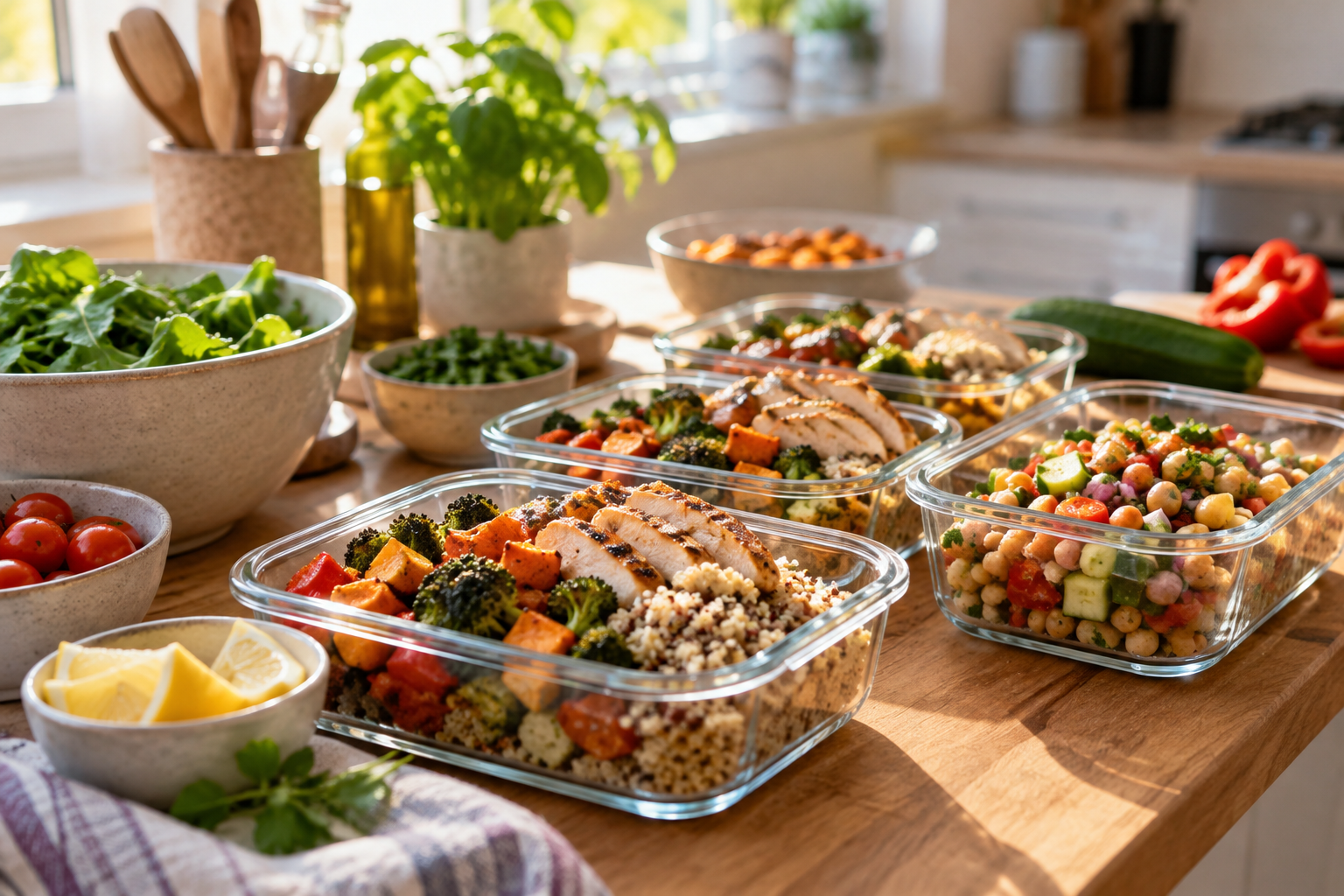
A container of pasta in the office fridge does not help on a home-working day, and a soup meant for Thursday is easy to forget when Thursday becomes an office day.
A good hybrid work lunch meal plan starts with your calendar, not a recipe list. Map where you will eat, match the food to each setting, and build the shopping list from shared ingredients. That keeps lunch practical and helps stop one meal from being counted twice.
Start with the week you actually have
Before choosing lunches, mark each weekday as one of three types:
- Office day
- Home-working day
- Day off, travel day, or irregular day
Do this for every adult whose lunches affect the shop. A household calendar may include one parent at home, another commuting, a child at school, and a day when everyone is home. Treating all weekdays as identical creates waste before you have opened the fridge.
Check the calendar against real constraints. A day labelled “home” may still include appointments, calls, or a short break between meetings. An office day may include a long commute or no reliable fridge. A day off may be the best time to cook, but it may also be the day when everyone wants something quick.
Write the result in a simple grid. You do not need a complicated meal-planning system. You need to know how many lunches must travel, how many can be reheated, and how many need to be assembled in minutes.
Give each day a lunch job
Different work locations call for different meals. Assign each lunch a job instead of forcing every recipe into every day.
Office lunches: portable and dependable
Office lunches should survive transport and still be appealing after sitting in a lunch bag. Choose meals that pack neatly and do not rely on a last-minute cooking step.
Useful options include:
- Grain salads with roasted vegetables, chickpeas, chicken, or cheese
- Pasta salad with a dressing packed separately
- Wraps with sturdy fillings that will not turn soggy quickly
- Leftover rice bowls packed in a leak-resistant container
- Soup or stew in a proper insulated container
- Egg, bean, or tuna salad with crackers, bread, or vegetables
Think about the office itself. Is there a fridge? Is there a microwave? Can you store a container without losing it among several other lunches? If the answer is unclear, choose a lunch that works cold and pack an ice pack where needed.
Do not plan a delicate meal for the day with the longest commute. Save it for home.
Home-working lunches: fast assembly and planned leftovers
Home days offer more equipment, but they do not always offer more time. A lunch that requires several pans and a full clean-up is a poor match for a busy meeting schedule.
Use home days for meals such as:
- Toasted sandwiches or quesadillas
- Eggs with toast and leftover vegetables
- A quick bowl built from cooked grains, beans, and fresh toppings
- Leftover supper reheated in one dish
- A salad assembled from prepared components
- Frozen portions of soup, chilli, or pasta sauce
The strongest home lunches often use food already planned for supper. Cook extra rice, roast more vegetables, or set aside a portion before serving. Store it in a clearly marked container so it remains a lunch plan rather than becoming an unlabelled fridge mystery.
Days off: flexible, not overloaded
Days off can absorb leftovers, pantry meals, or a more relaxed lunch. They are also useful for preparing one component for the week ahead.
Do not schedule an elaborate lunch simply because there is no commute. A day off may be the right time to use odds and ends before they spoil. It can also be the day to make a batch of soup, cook eggs, wash vegetables, or portion cooked grains.
Preparation should remove work from future days, not turn your day off into a second job.
Plan components, not seven separate recipes
Lunch planning becomes cheaper and simpler when several meals share ingredients without tasting identical.
Choose a small set of building blocks:
- One or two cooked grains, such as rice, barley, or couscous
- A protein, such as beans, eggs, chicken, tofu, or canned fish
- Two or three vegetables that can be used raw and cooked
- A sauce or dressing
- A bread, wrap, cracker, or other carbohydrate for portable meals
From those pieces, make different formats. Roasted vegetables can go into a grain bowl, wrap, soup, or leftover supper. Cooked chicken can become a sandwich filling one day and a rice bowl the next. A lemon dressing can serve a salad without requiring a separate sauce for every lunch.
There is a limit, though. Eating the same bowl five days in a row is not a planning victory if it ends with untouched containers. Repeat ingredients, not necessarily the exact meal.
Keep lunch and supper from double-counting ingredients
The grocery list problem usually starts when lunch and supper are planned in separate conversations. One plan calls for chicken, another calls for chicken, and neither says whether they share the same package.
For each ingredient, decide its role before shopping:
- List the supper meals.
- List the office, home, and day-off lunches.
- Combine shared ingredients into one total.
- Assign each item to a meal or preparation step.
- Check whether the quantity is realistic for your household.
Be especially careful with foods sold in packages. A recipe may use part of a bag of spinach, a few tortillas, or some yoghurt. The remaining amount should have a clear job elsewhere in the week. If it does not, choose a smaller package, swap the ingredient, or plan a second use.
Also check prepared leftovers. If Tuesday lunch uses Monday’s supper, do not add a separate lunch portion to the list as though it needs its own ingredients. Mark it as a planned leftover.
Build the shopping list in the right order
A useful hybrid work lunch meal plan should produce one combined shop, not a lunch list and a supper list that compete with each other.
Start with what is already in the kitchen. Check the freezer, fridge, and pantry for cooked food, unopened staples, and ingredients that need using. Then shop for the gaps.
Sort the list by store and aisle if you are splitting the shop between nearby options. This is practical in Canada, where a household might compare a large banner with a discount sibling such as No Frills, FreshCo, Food Basics, Maxi, Super C, or another local option. The best choice depends on your province, town, available stores, travel time, and each store’s current flyer.
Flyers often change over on Thursday, so check the timing before finalising the week. A sale can help shape a meal, but only if the item fits a lunch or supper you will actually make. Do not buy a larger quantity just because it appears useful in theory.
For households in the United States, the same method works with local stores and regional flyers. The important part is matching the plan to the shops you can realistically use.
Add a five-minute lunch check
At the end of the weekend, review the plan against the coming calendar. Hybrid schedules change. A meeting may move. A home day may become an office day. Build in one flexible lunch rather than pretending the week is fixed.
Keep one reliable emergency option available, such as eggs, canned beans, frozen soup, bread, or leftovers in the freezer. This is not a failure of planning. It is protection against the day that refuses to follow the calendar.
Pack office lunches the night before when possible. Put the container, cutlery, and ice pack together. On home days, keep the next lunch components visible and ready to assemble. Small decisions made earlier stop lunch from becoming an expensive takeaway decision.
Make the plan easy to repeat
The goal is not a perfect menu. It is a repeatable process:
- Map office days, home days, and days off.
- Match portable meals to office days.
- Reserve quick assembly or reheating for home days.
- Use leftovers deliberately.
- Combine lunch and supper ingredients before shopping.
- Keep one flexible meal and one emergency option.
CartBrain can help turn that weekly pattern into a meal plan and store-split grocery list, using your household, budget, chosen stores, and available flyer deals. The aim is simple: buy once, assign each ingredient a job, and make lunch fit the workday you really have.