 Cart
CartIs Buying in Bulk Worth It in Canada Without a Basement?
Bulk buying can lower the cost of food, but only when your household can store, use and protect it before it becomes waste.
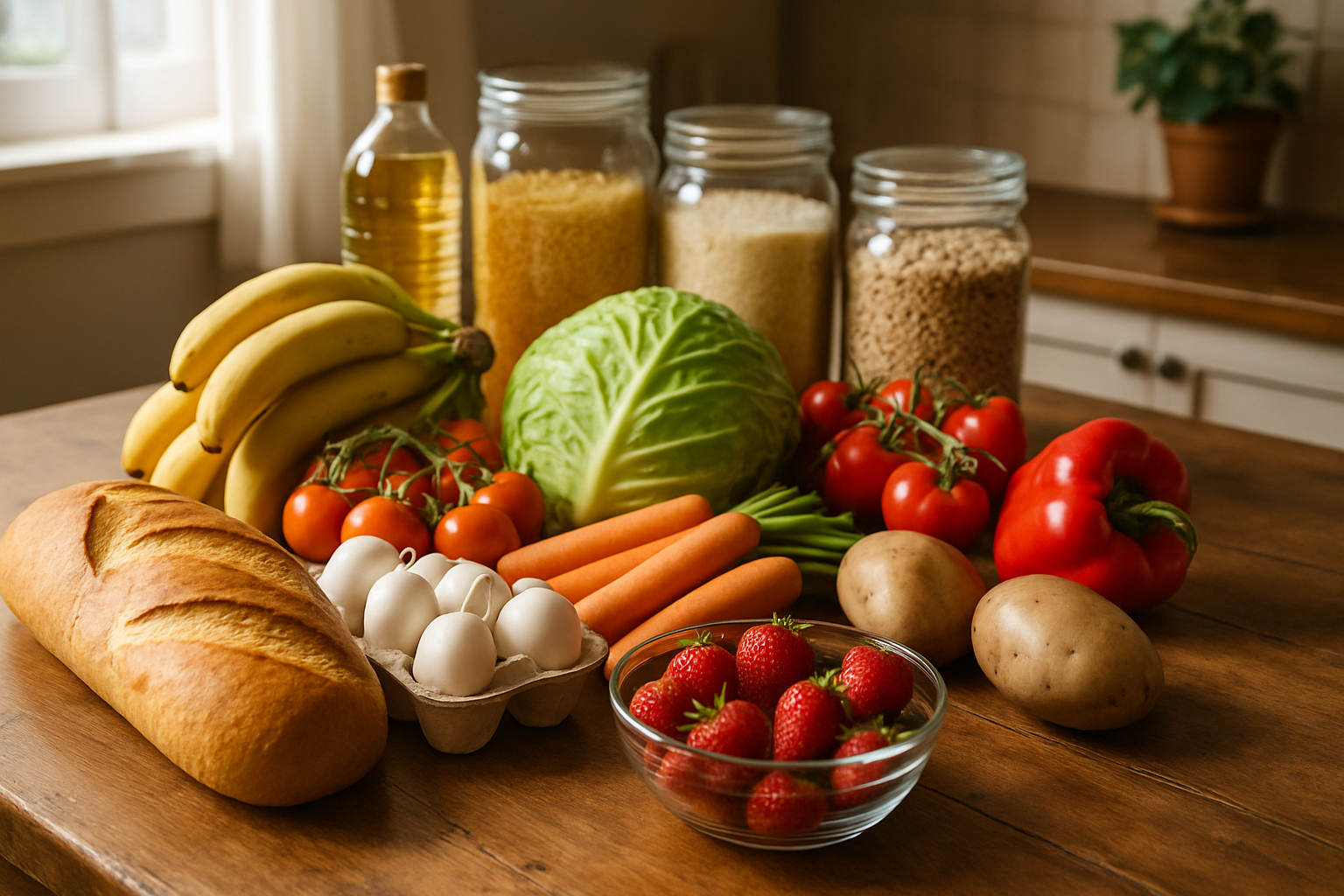
A 10 kg bag of rice looks like a bargain until it becomes the permanent resident of your kitchen floor. Without a basement, bulk buying in Canada is less about finding the biggest package and more about buying the right amount for the space, meals and people you actually have.
The short answer to is buying in bulk worth it in Canada? Sometimes. Bulk can work well for food your household already eats, goods that store safely and freezer items you can portion immediately. It can also quietly cost more when a membership fee, spoiled food or an unused ingredient gets folded into the total.
Start with the break-even point
A warehouse-club membership is not automatically a saving. It has to earn back its cost before the lower unit price becomes a real household benefit.
Before joining, make a short list of items you already buy regularly. Include foods such as:
- Rice, pasta, oats and flour
- Canned tomatoes, beans and broth
- Cooking oil and common spices
- Toilet paper, tissues and laundry products
- Chicken, ground meat, fish or other freezer proteins
- Snacks or lunch staples your household eats consistently
Then compare the usable cost, not just the shelf price. A larger pack only wins if you use it before the quality drops, the food spoils or you get tired of eating it.
Also consider how often you would realistically shop there. If the store is far away, add fuel, parking and the temptation to buy extra items. A membership can make sense for a household that already shops there and reliably uses the products. It is harder to justify when the main reason for joining is the hope of saving someday.
Check the current membership terms and refund rules yourself. They can change, and they differ between retailers and membership levels.
Buy bulk by shelf life, not by package size
The best bulk purchases are usually boring. That is a good sign. They are products you use repeatedly and can store safely without special equipment.
Usually strong candidates:
- Dry rice, oats, pasta and barley
- Dried lentils, split peas and beans
- Canned tomatoes, tuna and other foods your household already uses
- Tea, coffee or hot chocolate that gets used before it loses quality
- Toilet paper, paper towels and household cleaning supplies
- Freezer proteins that can be divided into meal-sized portions
- Frozen vegetables and fruit, if your freezer has room
Dry goods still need sensible storage. Transfer opened packages into sealed containers if pests or moisture are a concern. Label the container with the product and the date you opened or refilled it. Keep it in a cool, dry place away from the stove, dishwasher and direct sunlight.
A small apartment does not need a full pantry to handle bulk staples. One shelf, a rolling cart, the top of a wardrobe or a clearly labelled under-bed bin can be enough. The key is making the stock visible. If you forget it exists, it is not helping your grocery budget.
Be cautious with foods that quietly go off
Large packs of fresh food create the most waste. The unit price may look attractive, but the usable price rises when part of the pack ends up in the compost or rubbish.
Be careful with:
- Fresh berries and delicate fruit
- Large bags of salad greens
- Bakery products you cannot freeze
- Fresh herbs sold in oversized packs
- Avocados, bananas and other produce that ripens together
- Big tubs of dips, yoghurt or soft cheese
- Condiments your household uses only occasionally
- Specialty flours, grains or sauces bought for one recipe
A food can be safe for a while and still lose texture or flavour. That matters if your family stops eating it because it is stale, watery or freezer-burned.
Do not buy a large package of an ingredient you have never tried just because the price per 100 g is lower. Test it in a smaller amount first. This matters with unfamiliar grains, protein powders, spice blends, sauces and snack foods. Buying bulk loose from a bulk aisle can be a better compromise: you get enough to try without storing a year’s supply of a failed experiment.
Portion and freeze the day you get home
The freezer only saves money when food actually makes it into the freezer. A large pack left in its original wrapping is an unfinished job.
Set aside a short unpacking routine:
- Clear a work surface before you leave for the shop.
- Check how much freezer and cupboard space you really have.
- Divide meat, fish and poultry into portions that match one meal.
- Wrap or bag each portion tightly, pressing out excess air where possible.
- Label each pack with the item and date.
- Freeze flat when practical so the portions stack and thaw more quickly.
- Put the oldest items where you can see them first.
Choose portion sizes based on your household, not the package. A family of two may need smaller packs than a family of five. If one child eats dinner at a different time, make a portion that can be reheated without thawing the whole batch.
Do not cram the freezer until air cannot circulate and nothing is findable. Leave room to see what is there. A crowded freezer encourages duplicate buying and forgotten food.
Make a storage plan before the shop
No basement does not mean no bulk buying. It means storage needs to be planned before the trolley fills up.
Measure the space you have in cupboards, drawers, the fridge and the freezer. Include the height of shelves and the width of doors. A package can be a good deal and still be a poor purchase if you cannot store it safely.
Use a simple capacity rule: buy no more than your household can use before the next reasonable shopping cycle. If the freezer has room for six meal portions, do not buy twelve because the price looks good.
Keep one small reserve of staples rather than several backup packages. When you open the last one, add it to your list. This prevents both shortages and accidental stockpiling.
For small homes, useful storage options include:
- Stackable containers with square sides
- A narrow rolling kitchen cart
- Airtight bins on a high shelf
- Under-bed containers for sealed paper goods
- A freezer inventory on the fridge door
- One labelled bin for backstock
Keep food away from damp areas, heat sources and places where pests can reach it. Follow the product’s storage instructions, especially for oils, flour, nuts and canned goods.
Compare the cost per usable meal
Price per kilogram is useful, but price per meal is often more practical. A large bag of lentils may be excellent value if you already have several meals planned for it. A large jar of a sauce used once may not be.
Ask four questions before buying:
- Will we eat this in the normal rotation?
- Can we store it safely right now?
- Can we use it before it loses quality?
- Would the money be better spent on several smaller ingredients for planned meals?
Watch for package-size tricks, too. The largest package is not always the lowest cost per 100 g or per unit. Compare the shelf labels and calculate when needed. Do not assume the warehouse club or the largest format wins every time. Flyer promotions at No Frills, FreshCo, Food Basics, Maxi, Super C, Giant Tiger, Costco or a local independent shop may change the comparison from week to week. Availability and pricing also vary between provinces, cities, small towns and northern communities.
Most Canadian supermarket flyers turn over on Thursday, so that can be a useful time to review what is actually on sale. It is still worth checking your own store’s current terms, package sizes and pricing rather than relying on a general rule.
Build bulk purchases into real meals
A bulk purchase should have a job. Before you buy, write down a few meals that will use it. Rice might become fried rice, chilli bowls and a chicken-and-vegetable dinner. A large pack of ground meat might become meatballs, tacos and a freezer pasta sauce.
This prevents the common bulk-buying trap: purchasing ingredients instead of food. Ingredients need a plan, and plans need to fit the week you actually have.
Start with the meals already on your calendar. Account for school nights, work shifts, sports, guests and nights when nobody wants a complicated recipe. If a bulk item appears in several meals, it has a better chance of being used. If it requires a new recipe every time, buy a smaller amount first.
The practical answer
Buying in bulk is worth it in Canada when the membership cost is covered, the unit price is genuinely better, the food is familiar and the storage plan is ready. It is not worth it when the package controls your menu, fills your limited space or turns into waste.
Use bulk aisles for trial-sized amounts of unfamiliar foods. Use warehouse clubs for dependable staples, freezer proteins and household supplies. Portion and freeze on the day you shop. Keep a visible inventory. Most importantly, plan meals around what you already own before buying more.
If you want help matching a week of meals to your household, budget, chosen Canadian stores and local flyer items, CartBrain can build the plan and keep the grocery list tied to what you are likely to use.