 Cart
CartMeal Planning for a Quebec Family: Groceries, Flyers and the Weekly Rhythm
A simple Quebec grocery routine for using local flyers, comparing nearby banners and getting seven family suppers onto the table.
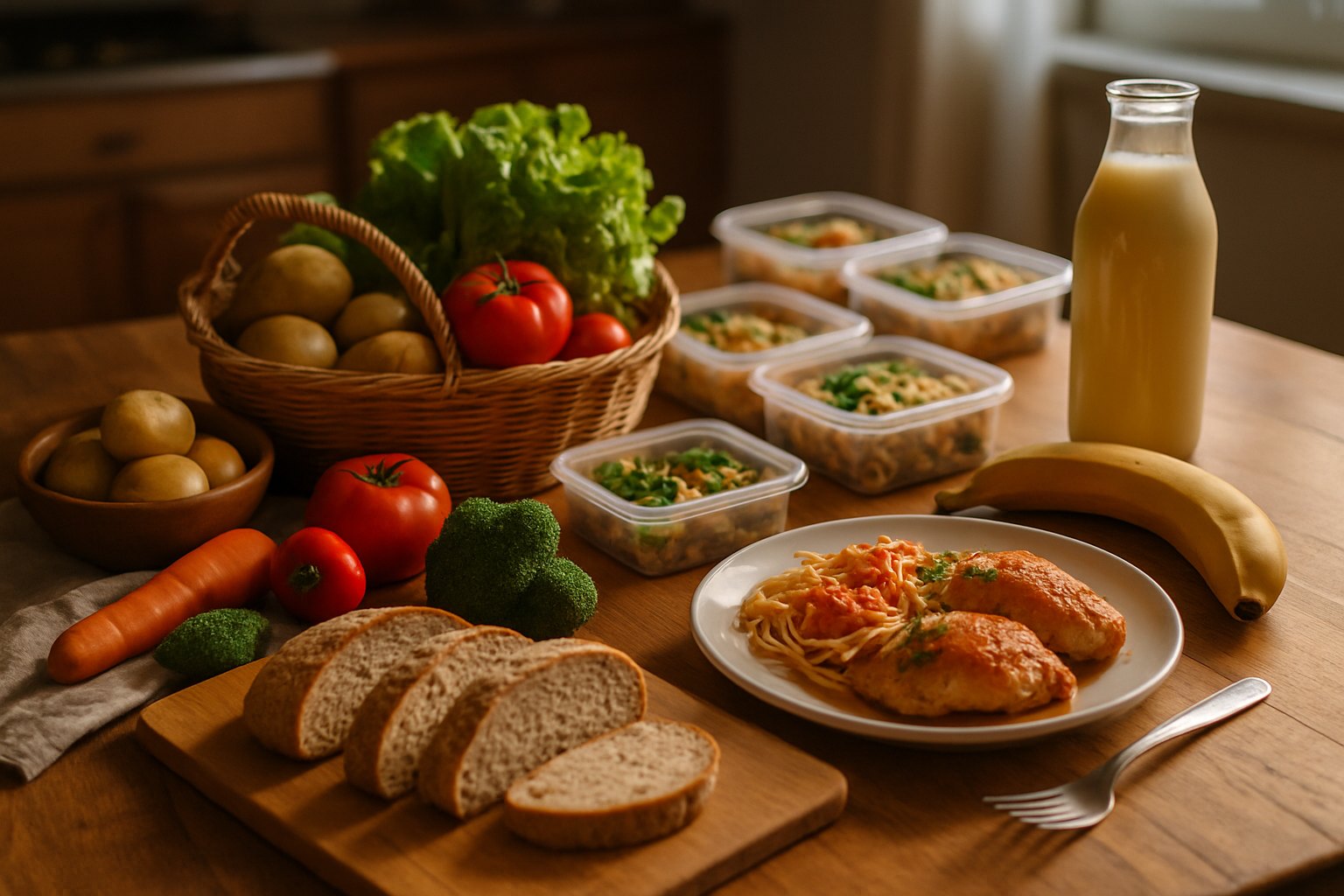
A Thursday flyer stack from IGA, Maxi, Super C, Provigo and Metro can change the shape of your family’s entire supper week. The trick is not chasing every deal. It is building a repeatable plan around the stores, food and time you can actually manage.
Quebec families do not all shop the same way. A household in Montréal may have several banners nearby, while a family in the regions may have fewer choices and longer drives. Prices, flyer offers and seasonal produce also vary by neighbourhood and province. Your meal plan needs to fit your local reality, not an imaginary perfect shop.
Start with the Quebec flyer rhythm
Many supermarket flyers in Canada turn over on Thursday. That makes Thursday, or the day your local flyers refresh, a useful planning checkpoint. You do not need to shop that day. You do need to know when the information changes.
A practical weekly loop looks like this:
- Check the new flyers for the stores you might reasonably visit.
- Note the useful sale categories rather than copying every offer.
- Check your pantry, refrigerator and freezer.
- Choose seven suppers that match your budget and schedule.
- Build one grocery list, split by store if the trip makes sense.
- Review the plan once before shopping.
The goal is a decision made once, not a fresh argument about supper every day.
Do not assume one banner is always cheapest for everything. Your local mix may include Maxi, Super C, Metro, IGA or Provigo, plus a discount sibling, Costco, a co-op or an independent market. A second store may be worthwhile for a short list of worthwhile items. It may also waste time, fuel and energy. Compare the whole trip, not just the headline price on one item.
Build the week around sale categories
Flyers are most useful when they help you choose meal components. Start with the categories that can anchor several meals:
- Chicken, ground meat, fish or another protein your family eats.
- Fresh or frozen vegetables.
- Potatoes, rice, pasta, tortillas or bread.
- Dairy and eggs.
- Fruit for breakfasts, snacks and lunches.
- Pantry basics that are genuinely running low.
Then turn those anchors into different suppers. A family pack of chicken might become sheet-pan chicken one night, sandwiches or wraps another night, and a soup or rice bowl later in the week. Ground meat can work in tacos, pasta sauce, meatballs or a baked dish. The meals should feel different enough that nobody thinks they are eating the same supper repeatedly.
This is not a command to buy every large package. Only choose a larger format if your household can use it before quality drops, or if you have freezer space and a clear plan. A sale is not a saving when it becomes waste.
Use a meal pattern instead of seven complicated recipes
A weekly pattern reduces the mental load. It also helps when the flyer has an unexpected offer or one ingredient is unavailable.
Try a structure such as:
- One sheet-pan or one-pot meal.
- One pasta, rice or noodle meal.
- One soup, stew or chilli.
- One quick meal for a busy evening.
- One meatless supper.
- One flexible meal using leftovers.
- One family favourite or weekend meal.
The categories can change. The value is in having a place for each type of supper.
For a Quebec household, that might mean tourtière-style filling with vegetables, a lentil soup, baked salmon with potatoes, chicken fajitas, pasta with tomato sauce, a vegetable omelette and leftovers. Keep the examples flexible. Food preferences, allergies, cultural traditions and the season matter more than following a fixed menu.
Assign the easiest meals to the evenings with the least time. Save a longer recipe for a day when cooking is realistic. If hockey, homework, daycare pickup or a long commute regularly disrupts one evening, plan a meal that can be assembled quickly or reheated safely.
Plan by ingredients, not isolated recipes
Recipe-by-recipe planning often creates a long list of small ingredients. Instead, choose a group of ingredients that can cross over during the week.
For example, a plan might use:
- Onions, carrots and celery in soup, sauce and a sheet-pan meal.
- Spinach in omelettes, pasta and sandwiches.
- Plain yoghurt in breakfast bowls and a savoury sauce.
- Tortillas for wraps, quesadillas and leftover fillings.
- Rice as a side dish, a bowl base and a quick fried-rice supper.
This keeps the grocery list more focused. It also makes substitutions easier. If a particular vegetable looks tired or costs more than expected, choose another that works in the same meal. Broccoli, green beans, cabbage and frozen vegetables do not need to be treated as entirely different planning problems.
Write down the purpose of less common ingredients. If a recipe needs a small amount of a sauce, herb or spice, ask how else you will use it. A flexible ingredient earns its place more easily than a one-meal purchase.
Make the grocery list work in real stores
A useful list is more than a collection of recipe ingredients. Group it by store area so shopping requires less backtracking:
- Produce.
- Meat, fish and alternatives.
- Dairy and eggs.
- Bakery.
- Frozen food.
- Pantry and canned goods.
- Household items.
If you plan to visit more than one store, separate the list by store before leaving home. Put the items you can buy at either location into a flexible section. This matters when a flyer item sells out or when the trip becomes too long.
Check package sizes and units. Compare the actual quantity, not only the large sale label. A lower price may come with less food, while a larger format may not suit your household. For meat and produce, think in kilograms and grams. For milk, broth and other liquids, think in litres and millilitres. That makes it easier to compare formats and plan portions.
Store rules also vary. Price matching, loyalty offers, rain checks, limits and substitutions can change. Check the current policy at your own IGA, Maxi, Super C, Provigo or Metro before relying on a flyer mechanic. Treat the flyer as planning information, not a promise that every shelf will look the same.
Leave room for Quebec seasons and local availability
Seasonal food can make planning easier, but Quebec availability changes through the year. Summer may bring more local berries, greens and vegetables. Autumn often makes root vegetables, squash and apples useful planning anchors. Winter may call for frozen produce, canned goods and sturdy vegetables. The exact selection and price depend on where you live and what is available.
Use frozen vegetables without treating them as a compromise. They are practical for soups, stir-fries, pasta dishes and side dishes. Canned beans, tomatoes and fish can also keep a plan moving when fresh food is limited or the shop needs to stay short.
A good plan includes substitutions before you need them. If the recipe calls for cauliflower, decide in advance whether cabbage, broccoli or frozen mixed vegetables will work. If fresh fish is unavailable, choose eggs, beans or a freezer option that fits the same meal style.
Protect the budget without making supper miserable
Start with the amount you can spend, then plan around it. Do not build a menu first and discover the total at the checkout. Set aside room for staples and household needs before choosing extras.
Use meat as one part of the meal rather than the entire plate. Beans, lentils, eggs, tofu and cheese can add variety, depending on what your family accepts. Serve filling sides such as potatoes, rice, pasta or bread with vegetables and a suitable protein.
Be careful with snack planning. A family can stay within the supper budget and still overspend on individually packaged foods, drinks and convenience items. Choose a few repeatable snack options and buy amounts your household will use.
Track what goes unused. A forgotten bag of salad, half-used bunch of herbs or repeated leftover can tell you more than a perfect-looking plan. Adjust the following week. Planning is meant to respond to your family, not punish it.
Keep the plan visible and flexible
Put the seven suppers somewhere everyone can see them. A fridge note, shared calendar or simple weekly sheet is enough. Mark the quickest meal, the leftover night and any meal that can move if plans change.
Expect one disruption. A child may be sick. An appointment may run late. A planned ingredient may be unavailable. Keep one emergency supper on hand, such as eggs and toast, frozen dumplings with vegetables, soup and sandwiches, or pasta with a pantry sauce.
The best weekly rhythm is not the one with the most recipes. It is the one that helps your family shop once with purpose, use what it buys and make supper with fewer decisions.
If you want help putting this loop together, CartBrain works fully in French and plans in CAD around your household, budget, selected stores and local Canadian flyers. The weekly meal planner is free to start, with a paid per-child lunchbox planner upgrade if you need that extra planning layer.