 Cart
CartWhat Is Actually in Season in Canada (and Cheap) Month by Month
Canada’s short growing season makes “buy seasonal” a flexible rhythm, not a strict calendar. Use this month-by-month guide to plan cheaper, easier sides.
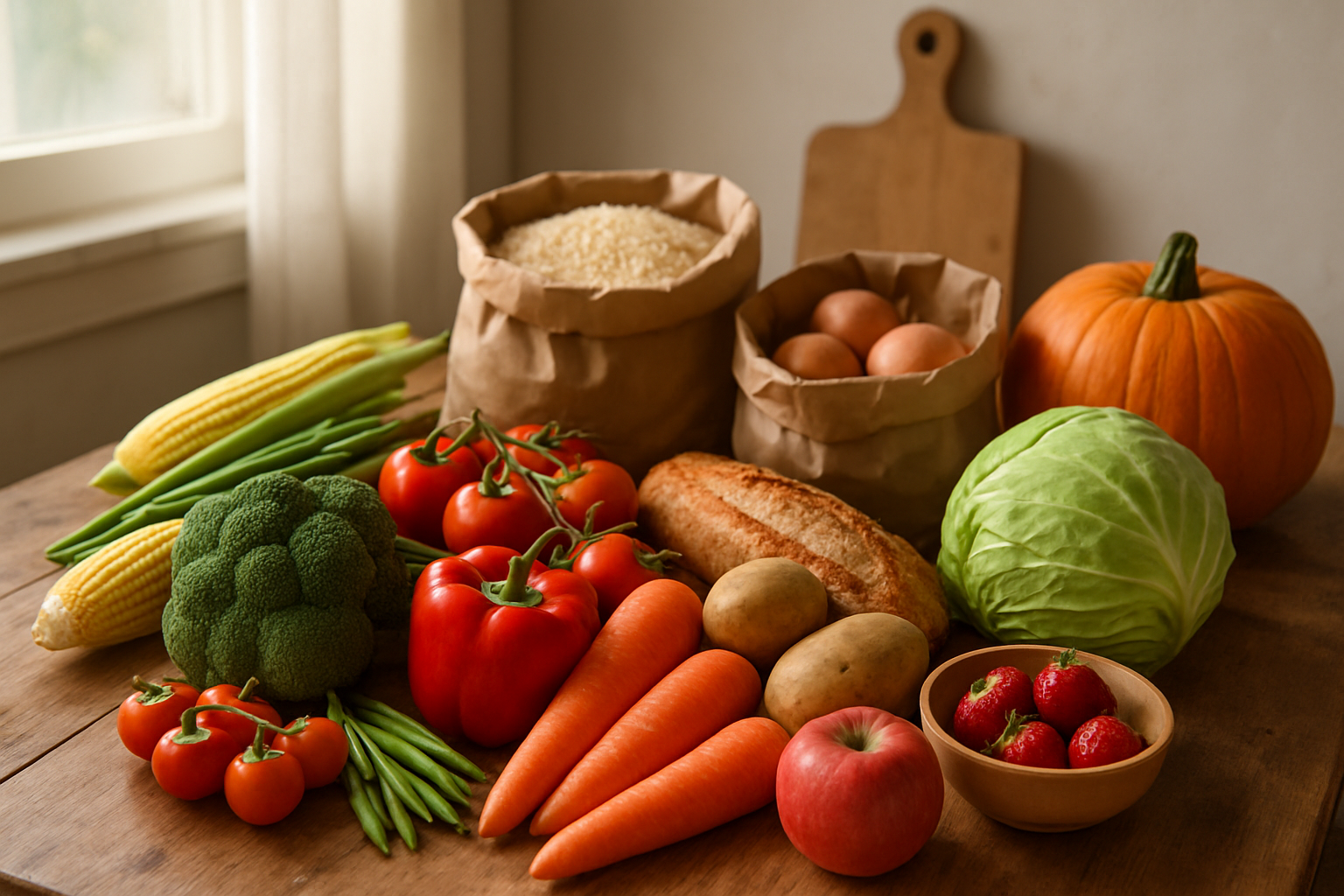
A basket of Ontario asparagus in May, British Columbia cherries in July, or Quebec apples in October tells you more about Canadian grocery shopping than any fixed produce calendar. The best seasonal buy depends on your province, weather, local farms, storage systems and this week’s flyer.
Canada’s growing season is short in many regions. That means seasonal eating here is not only about fresh produce picked yesterday. It also includes stored apples and potatoes, greenhouse vegetables, frozen berries and canned tomatoes made during the harvest.
Use the guide below as a rough rhythm for seasonal produce Canada by month. Let the season suggest the side dish, then check what is actually affordable where you live.
How seasonal produce works in Canada
“Seasonal” can mean three different things:
- Grown and harvested nearby right now.
- Harvested locally earlier and stored for later.
- Preserved at peak harvest by freezing, canning or drying.
The exact timing shifts across the country. Southern British Columbia and parts of Ontario may start harvesting earlier than northern communities. Atlantic Canada often follows a different pattern from the Prairies. A cold spring, heavy rain or early frost can move a crop’s window.
The cheapest option is often the produce that is abundant, easy to transport or being cleared before the next crop arrives. It may be local, Canadian-grown from another province, imported, frozen or stored. The label matters less than the combination of quality, price and how much your household will actually eat.
Most supermarket flyers turn over on Thursday, but the useful deal may vary by store and province. Check your local flyer, compare the price by kilogram, and buy only what fits the week’s meals.
January: storage crops and frozen fruit
January is not a month for pretending every fresh vegetable is local. Lean into storage and preservation.
Good bets include:
- Potatoes, onions, carrots, beets and cabbage.
- Winter squash and other firm storage vegetables.
- Apples that keep well in cold storage.
- Frozen berries, peas, corn and mixed vegetables.
- Greenhouse-grown vegetables when the price works.
Root vegetables are useful because they can become several different sides. Roast carrots and onions, mash potatoes with squash, or add shredded cabbage to tacos, soups and fried rice. Frozen vegetables need no trimming and can go straight into a pan, pot or lunch container.
February: make stored vegetables do more
February usually looks much like January. The budget win comes from changing the preparation, not chasing novelty.
Try roasted beets with a simple dressing, cabbage slaw with sandwiches, or a tray of carrots, potatoes and onions beside chicken or beans. Apples can go into oatmeal, muffins or a quick stovetop compote.
Frozen spinach, broccoli, peas and berries are practical choices. They are especially useful when fresh produce is expensive, wilted or sold in a larger quantity than your household can use.
March: the thaw begins slowly
March is a transition month. Storage crops remain important, while greenhouse produce and imported spring vegetables start appearing more often.
Keep buying potatoes, carrots, cabbage, onions, apples and squash when they are in good condition. Add frozen fruit to yoghurt, porridge or smoothies. If you see a good price on greenhouse cucumbers, tomatoes or peppers, use them in meals where texture matters, such as salads, sandwiches and fajitas.
Do not force a spring menu before spring has arrived. A warm grain bowl with roasted roots may be more affordable and satisfying than a salad built from several costly ingredients.
April: greens, herbs and early spring produce
April can bring early greens and herbs, depending on where you live. Local harvests are still limited in much of Canada, so availability can change quickly.
Look for:
- Greenhouse lettuce, cucumbers and tomatoes.
- Leafy greens and herbs from local growers where available.
- Stored potatoes, carrots, onions and cabbage.
- Frozen peas, spinach and other vegetables.
Use greens as an addition rather than the whole meal. Stir them into pasta, eggs, soup or lentils. This stretches a smaller bunch and reduces waste. Keep a backup frozen vegetable for nights when the fresh option has lost its crispness.
May: asparagus and rhubarb arrive
May is when many Canadian shoppers start noticing a real shift. Asparagus and rhubarb often mark the beginning of the fresh local season, although the timing varies by region and weather.
Asparagus works in pasta, omelettes, grain bowls and sheet-pan dinners. Rhubarb is tart, so it usually needs cooking and some sweetness. Use it in a crumble, compote or sauce rather than buying it for a plan that never gets made.
Spring greens, radishes, herbs and greenhouse vegetables may also become more available. Buy delicate produce for meals early in the week. Plan sturdier vegetables, such as potatoes and carrots, for later.
June: strawberries, greens and early vegetables
June is a bridge between spring and summer. Depending on your province, you may find local strawberries, lettuce, peas, radishes, herbs, asparagus and other early vegetables.
This is a good month for simple meals that let one fresh ingredient carry the side dish. Serve strawberries with breakfast, add peas to pasta, or roast asparagus beside salmon, eggs or chickpeas.
Fresh berries can spoil quickly. Buy the amount your household will use, or freeze extras on a tray before transferring them to a container. Wash berries close to when you plan to eat them unless you have a specific storage routine that keeps them dry.
July: berries, beans, tomatoes and corn
July is often the first month when seasonal produce can take over more of the plate. The exact order changes by province, but berries, beans, zucchini, cucumbers, tomatoes, peppers and corn may all be easier to find.
Use the abundance in low-effort meals:
- Corn with grilled meat, tofu or beans.
- Tomatoes and cucumbers with bread, eggs or canned fish.
- Zucchini folded into pasta, fritters or quick sautés.
- Berries over oats, yoghurt or pancakes.
Buy soft fruit with a plan. Berries can become breakfast, dessert or freezer stock. Tomatoes and zucchini can be used in several dinners, but only if your family will eat them in different forms.
August: peak summer variety
August is often the fullest month for Canadian produce. Corn, tomatoes, peppers, cucumbers, beans, zucchini, berries, peaches, plums and other stone fruit may be available, depending on the region.
This is the time to simplify. A plate of sliced tomatoes, corn and bread can be a side dish. Peppers and zucchini can be roasted once and used in wraps, pasta or rice bowls. Fruit can become snacks, dessert or a freezer ingredient.
Look at quality before buying a large amount. A lower sticker price is not a saving if half the produce is discarded. Choose firm fruit for later in the week and ripe fruit for the next meal.
September: apples, pears and the start of squash season
September brings a shift toward apples, pears, late-season vegetables and winter squash. Root vegetables, cabbage and onions also become useful budget staples.
Make the transition painless with meals such as:
- Apple and cabbage slaw.
- Roasted squash with lentils or chicken.
- Sheet-pan potatoes, onions and vegetables.
- Pears with porridge, yoghurt or cheese.
If your household enjoys preserving, this is the time to freeze berries, cook tomato sauce or portion chopped vegetables. Do it only when the method is safe and manageable. Buying a reasonable amount for fresh meals is also a perfectly good use of the harvest.
October: apples, squash and roots
October is the month for sturdy produce. Apples, squash, potatoes, carrots, beets, onions, cabbage and other root vegetables can carry dinners through colder weather.
Roast a large tray of vegetables and use it in bowls, wraps and soups. Bake apples into porridge or serve them beside pork, cheese or sandwiches. Squash can become soup, pasta sauce, a mash or a filling for tacos.
Check storage quality. Avoid produce with serious bruising, soft spots or damage unless you will cook it immediately. Store the vegetables according to their needs rather than leaving everything in a warm, damp cupboard.
November: stored harvest and dependable vegetables
November is when stored crops earn their place. Potatoes, carrots, onions, cabbage, beets, squash and apples can form the base of affordable meals, while frozen vegetables fill the gaps.
Add canned tomatoes, beans and lentils for quick soups, chilis and pasta sauces. Frozen greens and peas make these meals more complete without requiring another fresh shopping trip.
This is also a useful month to review what your family actually ate during harvest season. If nobody touched the large box of squash, do not buy it again just because it is seasonal.
December: festive produce without a full reset
December brings holiday ingredients, but the everyday budget still benefits from stored and frozen produce. Potatoes, onions, carrots, cabbage, squash, apples and frozen vegetables remain practical choices.
Use fresh fruit where it adds value to a meal, and rely on frozen berries for breakfasts and baking. Plan around the produce you already have before buying specialty ingredients for one recipe.
Let the season choose the side dish
You do not need a perfect seasonal menu. Start with the best-looking affordable produce, then choose a simple cooking method:
- Asparagus: roast, steam or add to eggs.
- Berries: serve fresh, freeze or cook into a quick sauce.
- Corn: boil, grill or slice into a skillet meal.
- Apples: serve raw, bake or cook into compote.
- Squash and roots: roast, mash or add to soup.
- Cabbage: shred, roast or sauté.
- Frozen vegetables: stir into pasta, rice, soup or eggs.
The goal is less waste, fewer expensive impulse buys and sides your family will actually eat. Use the month as a starting point, not a rulebook. Province, weather and local store stock will always have the final say.
For an easier weekly plan, CartBrain can build supper ideas around your household budget, chosen stores and the sale items in local Canadian or US flyers, then turn the plan into a store-split grocery list.