 Cart
CartRun Your Freezer Like a Second Pantry, Not a Food Graveyard
A freezer only saves money when you can see what is inside, use it in time, and thaw the right food for the right meal.
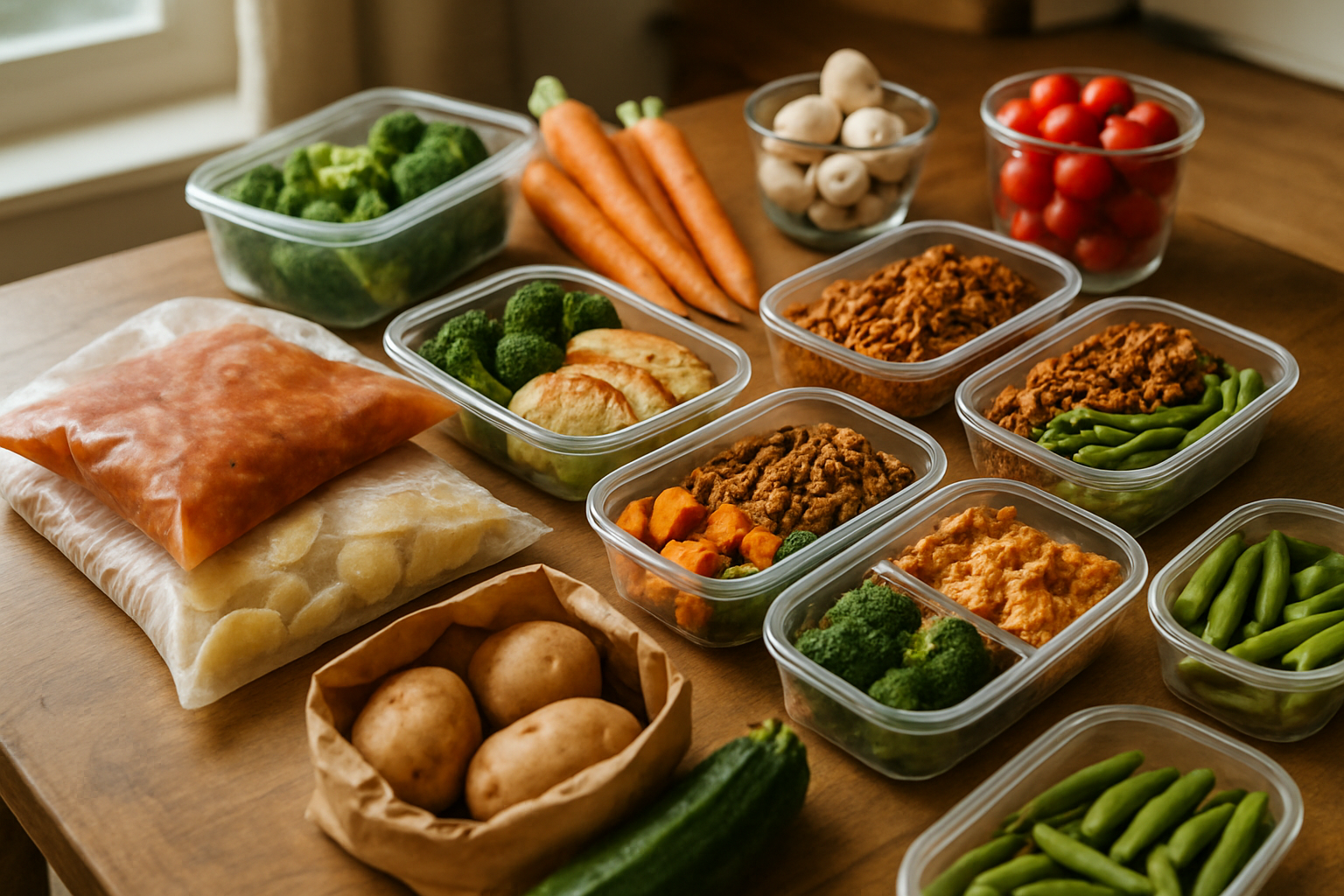
A freezer bag marked “chicken?” is not food storage. It is a small domestic mystery that gets ignored until the contents develop a thick coat of ice.
A well-run freezer can act like a second pantry. It holds sale-priced proteins, batch-cooked meals, chopped vegetables, bread, stock, and emergency suppers. It can help you avoid waste and make grocery weeks less expensive. But only if you can find things before they become unrecognisable.
The goal is not a perfect freezer. The goal is a freezer you can shop from without emptying it onto the kitchen floor.
Start with zones, not perfection
Do not begin by buying matching bins. Begin by giving different foods a predictable home.
Use broad zones that match how you cook:
- Ready-to-eat meals and leftovers
- Raw proteins
- Vegetables and fruit
- Bread and baking items
- Stock, sauces, and ingredients
- Small “use soon” items
A chest freezer may need baskets or reusable bags to create layers. An upright freezer may work better with shelves labelled by category. The exact system matters less than being able to return food to the same place every time.
Keep foods you use often where they are easiest to reach. Put long-term stock lower down or farther back. Keep a small front section for items that need attention soon.
Do not pack the freezer so tightly that cold air cannot move around the food. At the same time, large empty gaps make it easier for bags to slide behind one another. Aim for a solid, visible arrangement rather than a packed wall of loose packages.
Make the inventory list too simple to fail
A detailed spreadsheet sounds organised. It also tends to die the first week someone forgets to update it.
Use one paper list taped to the freezer, or one note on your phone. Divide it into only a few headings. Write the item and quantity. For example:
- Chicken thighs — 2 packs
- Chilli — 1 container
- Frozen peas — 1 bag
- Bread — 1 loaf
- Stock — 3 containers
Cross items off when they leave. Add items only when they enter. Do not record exact weights unless that information genuinely helps you cook.
Once a week, glance at the list while making your meal plan. If the list says “soup,” but you cannot remember whether it is lentil or tomato, the system is already too vague. Use names your future self will understand.
The list does not need to be perfectly accurate. It needs to be accurate enough to stop you from buying another bag of frozen peas while three bags are hiding underneath the ice cream.
Label every portion with what and when
Freezing food in its original container is often where useful leftovers go to disappear. A container with no label becomes “possibly stew” after a few weeks. You will either avoid it or thaw it with low expectations.
Label each package with:
- What it is
- The date it was frozen
- How many portions it contains, if that is not obvious
- Any useful cooking note, such as “add rice” or “reheat from thawed”
A piece of masking tape and a permanent marker are enough. Write on the lid and the side if the package may be stacked.
Freeze food in meal-sized portions whenever possible. A whole pot of curry is less useful if you need one lunch. Flat freezer bags thaw faster and stack neatly. Small containers work well for sauces, cooked grains, grated cheese, stock, and single portions.
Let hot food cool safely before freezing it. Divide large amounts into shallow containers rather than putting one steaming stockpot straight into the freezer. Leave room for liquids to expand, and use containers designed for freezing so they do not crack.
Use first-in, first-out for proteins
Raw meat and fish need a clear rotation system. New packages should go behind or below older ones. Older packages should move to the front or top.
This is first-in, first-out, or FIFO. It is basic, but it prevents the common habit of buying a new sale item and forgetting the older one underneath it.
Group proteins by type, then sort each group by age. Keep chicken together, beef together, fish together, and so on. If you freeze meat in its store packaging, add an outer freezer bag or wrap if the package is not well sealed. Air exposure can lead to freezer burn and dry patches.
When you bring home a new protein stock-up, spend two minutes rotating the older packages forward. That small habit is more useful than a complicated storage system you will not maintain.
Thaw raw proteins safely in the refrigerator, in cold water changed regularly, or using a microwave when you will cook them immediately. Do not leave them sitting on the counter for the day.
Know what freezes brilliantly
Some foods come back from the freezer almost as useful as they went in. These are good candidates for batch cooking and stock-ups.
- Soups, stews, chilli, curry, and braised dishes
- Cooked meat and shredded chicken in sauce or broth
- Bread, buns, tortillas, and baked goods
- Grated hard cheese
- Butter
- Stock and cooking sauces
- Frozen peas, corn, spinach, green beans, and mixed vegetables
- Berries and fruit for smoothies, baking, or cooked desserts
- Tomato paste frozen in small portions
- Cooked beans and lentils
Freeze these in portions that match your household. A family supper may need a larger container. A work lunch may need a single serving. Do not force every meal into the same size.
Know what survives, and what comes back sad
Some foods freeze safely but lose texture. They may still be useful in the right dish.
Cooked pasta can become soft, so it is often better to freeze the sauce and cook fresh pasta later. Rice usually works best when cooled quickly, portioned, and reheated with a little moisture. Potatoes can turn grainy or watery, though mashed potatoes and cooked dishes with potatoes often hold up better than plain boiled potatoes.
Creamy sauces may separate. They can sometimes be brought back together with gentle reheating and stirring, but do not expect the original texture every time. Fresh salad greens, cucumber, raw tomatoes, and high-water vegetables usually become limp after thawing. Save them for fresh meals.
Eggs in their shells should not be frozen. Soft cheeses, mayonnaise-based salads, and crisp fried foods may also disappoint after thawing. This does not make them useless; it means they need a different plan. Use thawed berries in porridge or baking, soft vegetables in soup, and separated sauces in casseroles.
When uncertain, freeze a small test portion instead of the entire batch.
Build a monthly freezer-first week
A freezer-first week is a planned pause on buying the ingredients you already own. It is not a week of eating random leftovers.
Before shopping, check the inventory and choose several items that need using. Match them with simple fresh ingredients. Frozen chicken can become tacos, soup, or a tray bake. Frozen berries can cover breakfasts. A container of curry only needs rice, naan, or a quick vegetable side.
Use a rough structure:
- One older protein meal
- One frozen prepared meal
- One soup, stew, or sauce night
- One leftover or freezer lunch night
- One flexible supper using vegetables already on hand
- Fresh meals to fill the gaps
The exact timing can follow your household pay cycle, freezer capacity, or the rhythm of Thursday flyer changes. The point is to eat through the backlog before buying more stock-up items.
A freezer-first week can also reveal what your household actually uses. If the family repeatedly avoids frozen cooked pasta, stop making it. If individual portions of soup disappear quickly, freeze more of those. Your freezer should reflect real habits, not an imaginary version of your family.
Make restocking part of the routine
Choose one regular reset point. It could be the day before your main grocery shop or the day you plan the coming week.
Do three quick jobs:
- Check the inventory list.
- Move older food forward.
- Wipe up spills and remove anything you no longer recognise.
If you cannot identify a package, do not gamble on it. Food safety matters more than avoiding waste. Mark the items that need using soon, then build one or two meals around them.
You do not need a large freezer or a full stockpile to make this work. A small, visible collection of useful portions is better than a crowded freezer full of forgotten bargains.
Treat the freezer as part of your grocery plan, not a storage locker. Once you know what is there, what needs using, and what your family will actually eat, it can take pressure off the week. CartBrain can help turn that freezer inventory and this week’s local flyer options into a practical supper plan and grocery list.