 Cart
CartThe Canadian Pantry Staples Actually Worth Keeping Stocked
A practical Canadian pantry is not a showroom shelf. It is a short list of reliable ingredients that can rescue supper when shopping does not happen.
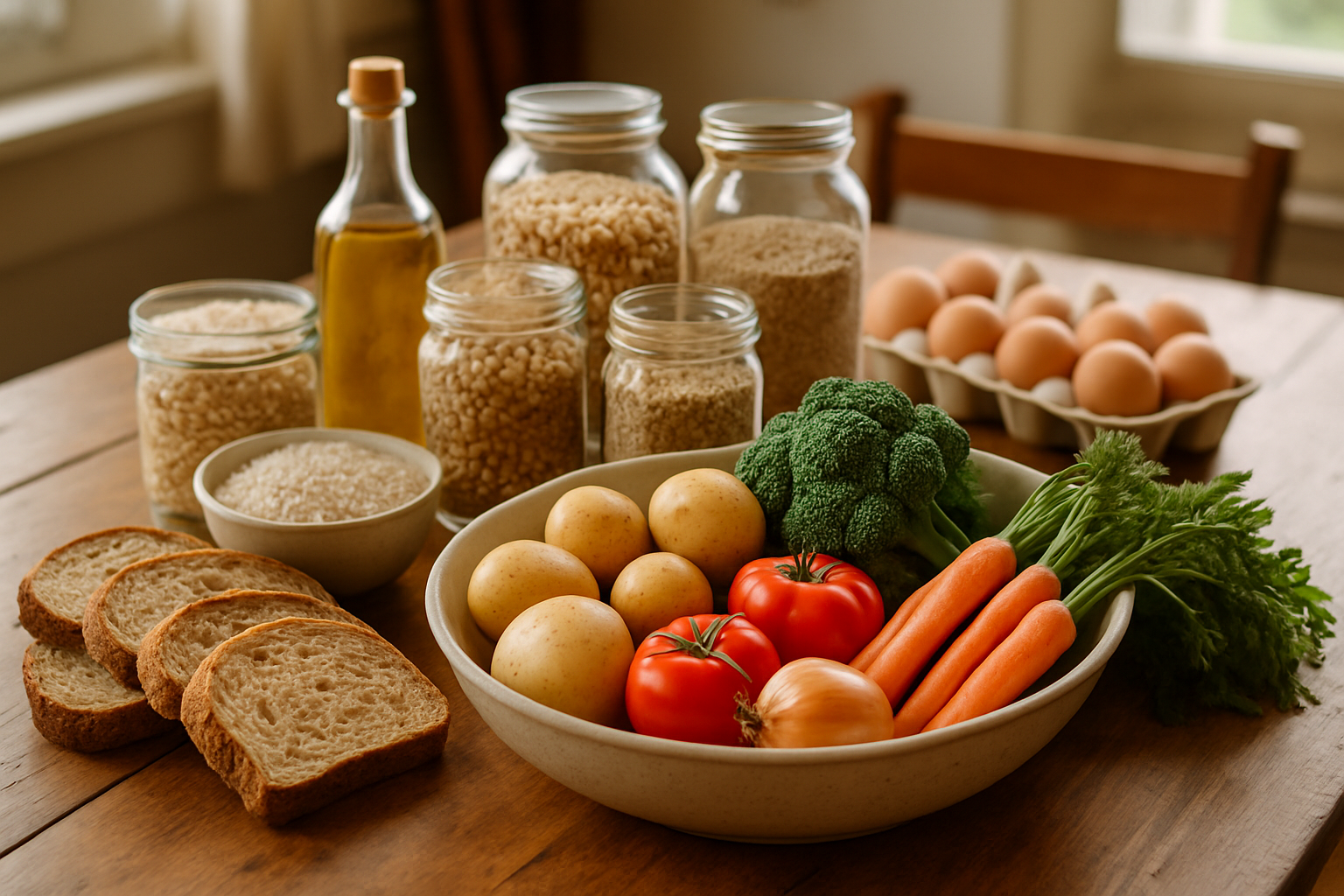
A tin of tomatoes, a bag of rice and a few eggs can be the difference between a proper supper and another delivery order. The best pantry staples list for Canada is not a collection of exotic ingredients or giant stockpiles. It is a small, repeatable system built around the meals your household already eats.
A useful pantry gives you options when the week goes sideways. The car will not start. The school email arrives late. The Thursday flyer changes your shopping plan. You miss the trip to the store. With the right basics on hand, supper can still be pasta, soup, fried rice, chilli, eggs on toast or roasted potatoes with something from the freezer.
Stock depth, not endless variety
Most households do not need twenty kinds of grains, six jars of sauce and a spice drawer that cannot close. They need enough of a few dependable ingredients to make several meals.
Depth means keeping the staples you genuinely use in reserve. If your family eats rice every week, keep more than one meal's worth. If oats are a regular breakfast, do not wait until the last scoop. Variety is useful, but it should come from changing the meal around a reliable base.
A practical system has three layers:
- Everyday basics: ingredients used weekly, such as oats, pasta, onions and cooking oil.
- Meal builders: foods that turn those basics into supper, such as canned tomatoes, beans, stock and frozen vegetables.
- Emergency food: items that can make a meal with almost no planning, such as soup, tuna, eggs or frozen dumplings.
Your list will look different from a household in another province. A city shopper may have several nearby stores. A rural or northern household may need to plan around longer drives, fewer choices and higher costs for some fresh foods. Build around your access, freezer space and normal meals.
Canned tomatoes and legumes
Canned tomatoes are one of the hardest-working items in a Canadian kitchen. Keep the formats you actually use: diced tomatoes for chilli and pasta sauce, crushed tomatoes for smoother sauces, and tomato paste for adding depth to soups, stews and braises.
Canned beans and lentils make meals more filling without needing a separate protein every time. Chickpeas work in curries, salads and sheet-pan meals. Black beans fit tacos, rice bowls and chilli. Kidney beans are useful in stews and three-bean salads. Lentils can go into soup, pasta sauce or a quick dal.
Rinse canned beans when the recipe calls for it, especially for salads and cold dishes. Keep a can opener in the kitchen drawer, not buried in a camping bin.
If you buy dried beans or lentils, store them too, but only if you actually cook with them. A cheap ingredient that never gets used is not a useful staple.
Rice, pasta and other reliable bases
Rice and pasta are the backbone of many emergency suppers. Choose the types your household likes, then store enough for several meals. White rice cooks quickly and works with stir-fries, chilli and frozen vegetables. Brown rice offers a different texture but may need more cooking time. Keep the choice practical, not aspirational.
Pasta covers more than spaghetti. Short shapes hold chunky sauces and work in baked dishes. Noodles can turn leftover chicken, frozen vegetables and stock into a quick bowl. If your family eats gluten-free, keep the pasta or grains that work for your household instead of buying a substitute that nobody enjoys.
Other useful bases include couscous, barley, tortillas and breadcrumbs. They are not essential for everyone. Add them when they connect to meals you already make.
Oats and breakfast insurance
Oats are inexpensive, flexible and easy to make ahead. Use them for porridge, overnight oats, baked oats, muffins or a simple crumble topping. They also give you a breakfast option when bread is stale or the morning is rushed.
Keep a few toppings that make oats appealing: peanut butter, frozen berries, cinnamon, applesauce or seeds. You do not need a large collection. One or two options are enough to prevent breakfast from feeling like the same bowl every day.
Pancake mix can serve a similar purpose, but flour, baking powder and eggs are more versatile if you bake or cook regularly. Store the version that matches your real habits.
Peanut butter and other useful spreads
Peanut butter is a strong pantry staple because it works across breakfast, lunch and snacks. Use it on toast, in oatmeal, in sandwiches or in a quick savoury sauce with soy sauce, lime juice and water. If allergies are a concern, use sunflower seed butter or another safe alternative.
A shelf-stable spread, jam or applesauce can help fill lunchboxes and breakfasts when fresh fruit is running low. Check your household's food-safety needs and school rules before relying on nut products.
Frozen vegetables and berries
A well-stocked kitchen needs more than shelf-stable food. Frozen vegetables are often the simplest backup for a week when fresh produce has run out. Keep a few types your family will eat, such as peas, corn, spinach, broccoli or mixed vegetables.
Use them in soups, fried rice, pasta, omelettes, curries and casseroles. There is no need to thaw most frozen vegetables before adding them to a hot dish. This saves time and reduces waste.
Frozen berries work in oats, smoothies, yoghurt, baking and quick sauces. They are particularly useful when local fresh fruit is limited or expensive during parts of the Canadian winter. Buy the size your freezer can handle, and keep bags sealed to reduce freezer burn.
Onions and potatoes
A bag of onions and a bag of potatoes can carry a surprising amount of the week. Onions build flavour in soups, sauces, chilli and casseroles. Potatoes can become wedges, mash, soup, hash or a sheet-pan supper.
Store them in a cool, dry, dark place with airflow. Keep potatoes away from onions if possible, and check both regularly. Remove any soft or spoiled pieces before they affect the rest.
Garlic is another useful fresh staple, although storage varies by home. If your kitchen is warm or humid, buy smaller amounts more often rather than letting a large supply go to waste.
Oil, stock and flavour builders
Cooking oil is easy to forget until the pan is hot. Keep one neutral oil for general cooking and add olive oil if you use it for dressings, roasting or finishing. Store oils away from heat and light, and replace them when they smell stale.
Stock or broth turns water into soup, rice, gravy or a quick pan sauce. Cartons are convenient, while bouillon or stock concentrate takes less cupboard space. Check the salt level before seasoning the rest of the dish.
A few flavour builders make the same staples taste different:
- Soy sauce or tamari
- Vinegar
- Mustard
- Salsa
- Dried herbs and spices your family actually uses
- Garlic powder or onion powder
- Coconut milk, if curries are part of your regular rotation
You do not need every condiment. Pick the ones that help you cook the meals already on your list.
Keep one or two freezer proteins
A freezer protein makes pantry ingredients feel like supper instead of side dishes. Choose options that suit your budget and cooking habits: chicken thighs, ground meat, fish, tofu, eggs or frozen meatballs.
Portion larger packs before freezing so you can thaw only what you need. Label the item and date. Keep a simple rotation so the oldest food gets used first.
Eggs are especially useful when your household eats them. They work in fried rice, frittatas, sandwiches, baking and breakfast-for-supper meals. If you rely on frozen meat, learn which cuts can cook safely from frozen and which need to be thawed first. Follow the package instructions and use a food thermometer for meat and poultry.
A simple restocking routine
Do not wait for every staple to disappear. When you open the last backup, add it to the next grocery list. Once a week, check five areas: dry goods, cans, freezer, produce storage and cooking essentials.
Use a first-in, first-out habit. Put newer cans and bags behind older ones. Check best-before dates, but do not throw out food automatically just because a date has passed. Use your judgement, inspect packaging and follow food-safety guidance.
When flyers turn over, often on Thursday, compare the sale items with your staple list. A discount is only helpful if the food will be used and stored safely. Flyer patterns, store selection and prices vary across Canada, so your plan should follow your local shops rather than a generic list.
The goal is not a full cupboard at all times. It is enough useful food to bridge the gap between plans. CartBrain can help turn your budget, local flyer options and household staples into a week of meals and a store-split grocery list, so the backup food you buy has a job to do.