 Cart
CartCheap, Healthy Meals for a Family (Without the Lecture)
Cheap and healthy meals for a family are possible with practical tips on ingredients and planning.
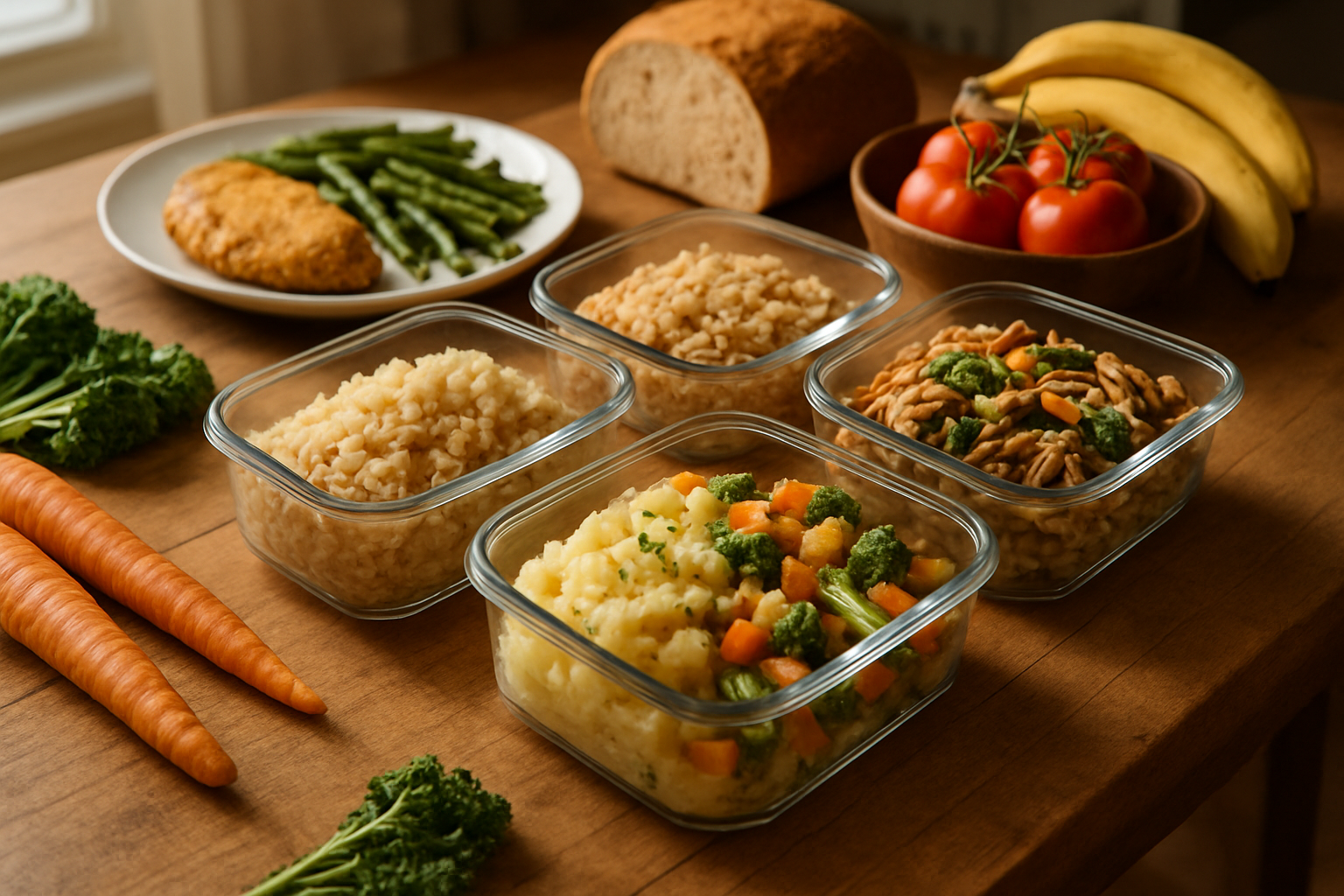
You don’t need a gourmet kitchen or a fancy cookbook to prepare cheap healthy meals for a family. With the right ingredients and a little planning, it’s easier than you think.
Understanding the Basics
Cheap and healthy aren’t opposites. They can go hand in hand when you know where to shop and what to cook. Focus on lean proteins like chicken, turkey, and fish. These are often more affordable than red meat and can be stretched with other ingredients.
Stretching Meat with Beans and Lentils
Beans and lentils are cost-effective and nutrient-rich. They can bulk up your meals while keeping costs down. For instance, try mixing ground turkey with black beans in tacos or adding lentils to a spaghetti sauce. This not only extends your meals but also adds fiber and protein.
Frozen Vegetables: Your Best Friend
Don’t overlook frozen vegetables. They are usually cheaper than fresh ones and can be just as nutritious. Plus, they last longer, reducing waste. Toss frozen peas, broccoli, or mixed vegetables into stir-fries, soups, or casseroles. You'll save time and money while sneaking in those essential nutrients.
Whole Grains as a Foundation
Opt for whole grains like brown rice, quinoa, or whole wheat pasta. They are filling and provide more nutrients than their refined counterparts. Cook a big batch at the beginning of the week and use it in various meals. Add it to salads, serve it with stews, or use it as a base for a grain bowl.
Simple Templates for Meal Planning
Creating a flexible meal template can save you time and effort. Here’s a straightforward approach:
- Protein: Choose a lean protein.
- Veggies: Add a variety of vegetables (fresh or frozen).
- Grain: Include a whole grain.
- Sauce/Seasoning: Use different sauces or seasonings to keep things interesting.
For example, grill chicken with mixed veggies and serve it over brown rice. Next time, try the same setup but switch to fish and quinoa, using a different sauce. This keeps meals fresh without needing to reinvent the wheel every night.
Take Advantage of Sales
Keep an eye on local flyers. Sales can guide you toward whole foods, like fresh produce, lean meats, and pantry staples. When you see a deal on broccoli or chicken, plan your meals around those items. This not only keeps your costs down but also encourages healthy eating.
Meal Prep: A Game Changer
Spending an hour or two prepping meals for the week can save you time and stress. Cook large portions of proteins and grains, chop vegetables, and store them in the fridge. When dinner time rolls around, you’ll have everything ready to go. Just combine your prepped items with a quick sauce or seasoning, and you’re set.
Budgeting for Ingredients
Setting a weekly grocery budget is a smart move. After figuring out how much you can spend, start with a list based on your meal plan. Stick to it as closely as possible. If you find something on sale that fits your meal template, it’s worth considering swapping out your original plan.
Snack Smart
If the kids are always hungry, have healthy snacks available. Fruits, yogurt, and whole grain crackers are all nutritious options. They can help curb hunger between meals without breaking the bank.
Wrap-Up
Preparing cheap healthy meals for a family doesn’t have to be complicated. Lean proteins, beans, frozen veggies, and whole grains are your allies. Use meal templates and sales to guide your planning. A little prep goes a long way in keeping your family fed and happy.
For more help managing your weekly meal planning and grocery budget, consider giving CartBrain a try. It’s a handy tool to streamline your cooking and shopping efforts.