 Cart
CartHoliday Grocery Planning: Big Dinners Without January Regret
A holiday feast does not need to turn every shop in December into a panic buy.
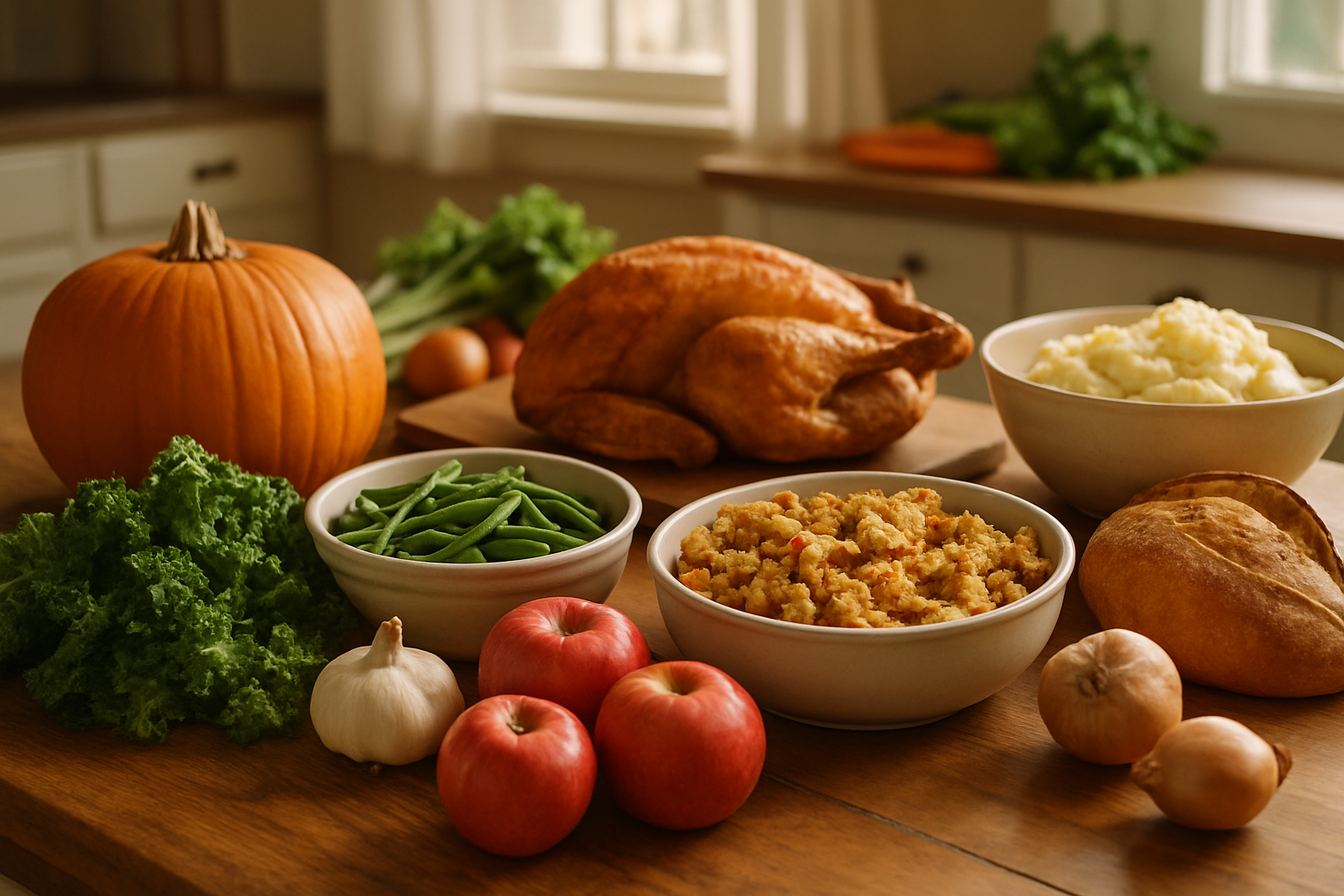
A holiday dinner can start weeks before the guests arrive, with gravy mix, canned pumpkin, flour and storage bags quietly piling up in the wrong grocery budget.
The fix is not skipping the feast. It is giving the feast a runway. Buy the parts that keep well during normal weekly shops, use the freezer to take pressure off the calendar, and plan the actual headcount before you fill the cart.
That approach works for Thanksgiving, Christmas, Hanukkah meals, New Year’s gatherings and any December dinner that feeds more people than usual.
Start with the table, not the flyer
Holiday grocery planning goes sideways when the menu is built around fear. Fear that someone will want seconds. Fear that a guest may appear. Fear that a full table requires a mountain of food.
Make the headcount concrete first.
- Count adults and children separately.
- Ask about guests who are bringing a dish.
- Note allergies, vegetarian meals and other dietary needs.
- Decide whether the meal includes appetisers, dessert and next-day leftovers.
- Choose the number of portions you actually want, rather than planning for an imaginary crowd.
A realistic headcount makes every later decision easier. It tells you whether one large side dish is enough, whether you need a second protein, and whether leftovers are part of the plan or just an expensive habit.
Children may eat less of the main dish but more of a familiar side. Older children and teenagers can change the equation again. Your household knows its appetite better than a generic serving guide does.
Write the menu before shopping. Keep it manageable. A main, two or three sides, a sauce or gravy, and one dessert can feel generous without turning the kitchen into a catering operation.
Build a holiday runway across ordinary shops
Shelf-stable holiday ingredients do not need to be bought in one dramatic trip. Spread them across the weekly shops before the event.
Start with items that are unlikely to spoil and that you already use in regular cooking:
- Flour, sugar, baking powder and spices.
- Stock, canned vegetables, pumpkin and cranberry sauce.
- Dried pasta, rice, breadcrumbs and baking chocolate.
- Cooking oil, foil, parchment paper and freezer bags.
- Tea, coffee, fizzy drinks and other planned beverages.
- Napkins and basic serving supplies if you need them.
Only buy what has a clear job in the menu or the wider household. A bargain-sized jar is not a saving if it sits untouched after the holidays.
Use a simple three-part list:
- Buy early: shelf-stable ingredients, drinks, baking supplies and paper goods.
- Buy closer to the meal: fresh produce, dairy, bread and herbs.
- Buy last or reserve: the main protein and any ingredients with a short use-by window.
This spreads the cost without creating a second problem: forgotten food. Mark where each item will be stored and which recipe needs it. If the pantry is already full, do not keep shopping as if storage is unlimited.
Canadian flyers usually turn over on Thursday, but the useful planning habit is broader than any one retailer. Check the current flyers for the stores you actually use, whether that is No Frills, FreshCo, Food Basics, Maxi, Super C, IGA, Atlantic Superstore, Save-On-Foods, Co-op, Giant Tiger, Bulk Barn or another local option. Store choice, availability and pricing vary by province, city and community, especially in rural, remote and northern areas.
Let the freezer take the calendar pressure
The main protein is often the item that makes a holiday shop feel urgent. It does not have to be bought on the exact week of the dinner.
If you have suitable freezer space, buy a turkey, roast or other main when it fits the household budget and storage plan. Check the package weight, the space available and the time needed for safe thawing before bringing it home.
For a frozen bird or roast, work backwards from the meal. It may need several days in the refrigerator to thaw safely, depending on its size. Give yourself extra room rather than relying on a last-minute water-bath rescue. Keep raw meat sealed on a tray or in a container so it cannot drip onto other food.
A freezer plan also protects you from calendar panic. The dinner date stays fixed, but the purchase date becomes more flexible.
Do not freeze blindly. Some fresh foods lose their texture, and a packed freezer makes it hard to see what you already own. Label the item with its contents and purchase date. Keep a short freezer inventory on the fridge or in your phone. Use older items first.
If freezer space is limited, reserve it for the main protein or another costly, suitable item. Pantry space and meal simplicity can do the rest of the work.
Keep the feast from taking over the whole week
A holiday meal should be special. The other meals around it do not need to compete.
Plan deliberately cheap, easy food for the days before and after the feast. That might mean lentil soup, eggs on toast, baked potatoes, pasta, grilled cheese, bean chilli, oatmeal or leftovers from the freezer. Choose meals that use ingredients already in the house and require little decision-making.
This is not punishment food. It is a way to protect the holiday meal from being joined by several expensive convenience shops.
Use a weekly structure such as:
- Before the feast: simple meals that clear vegetables, dairy or bread nearing its best quality.
- Feast day: the planned main meal, with no unnecessary extra cooking project.
- After the feast: leftovers assigned to lunches, dinners or the freezer.
Decide what happens to leftovers before the event. Roast meat can become sandwiches, wraps, soup or a grain bowl. Cooked vegetables can go into frittata or a pie. Extra gravy or stock can support another meal. Freeze portions only if your household will genuinely use them.
Do not buy a second week of food just because the fridge looks sparse after hosting. Recheck what remains first.
Shop the menu, not the holiday mood
Holiday packaging and seasonal displays are designed to make extras feel necessary. Your written menu is the useful boundary.
For each dish, list the ingredients and check the pantry, refrigerator and freezer before adding anything to the cart. Combine duplicate ingredients. If three recipes each need a small amount of onion, buy one sensible amount rather than treating each recipe as a separate shop.
Look for flexible substitutions. A side can use carrots, cabbage, potatoes or another vegetable that fits the meal and the current local selection. A dessert may work with the fruit already in the freezer. Keep the dish recognisable, but do not make one exact ingredient the reason the budget breaks.
Buy the package size your household can use. Larger packs can be useful for a crowd, but not when they create waste or require another trip for storage containers.
Set a holiday grocery budget before shopping and divide it into categories: main protein, fresh food, pantry items, drinks, dessert and extras. Leave a small buffer for the things you genuinely forgot. A budget with no flexibility often becomes an excuse to abandon the budget entirely.
Do a final check before the big shop
A short check can prevent a long receipt.
- Confirm the guest count and menu.
- Check freezer and pantry space.
- Read package sizes and compare them with the number of portions needed.
- Review the ingredients already at home.
- Check your store’s current flyer, rules and product availability.
- Plan the thawing and cooking schedule.
- Decide how leftovers will be stored and used.
Do this before you are standing in the seasonal aisle. The cart should carry out a plan, not absorb every festive suggestion.
A good holiday grocery plan is less about making the dinner cheap and more about making the spending intentional. Spread the shelf-stable work across normal shops. Buy the main when the budget allows. Count the actual people. Keep the surrounding meals plain. Then the feast can be generous without sending the whole household into January recovery mode.
If you want help organising the week around your budget, household and local flyer options, CartBrain can build a weekly meal plan and store-split grocery list so the holiday dinner has a plan before it reaches the cart.