 Cart
CartMaster the Art of Shopping Grocery Flyers
Grocery flyers are your weekly ticket to savings. Learn how to read them properly and maximize your grocery budget.
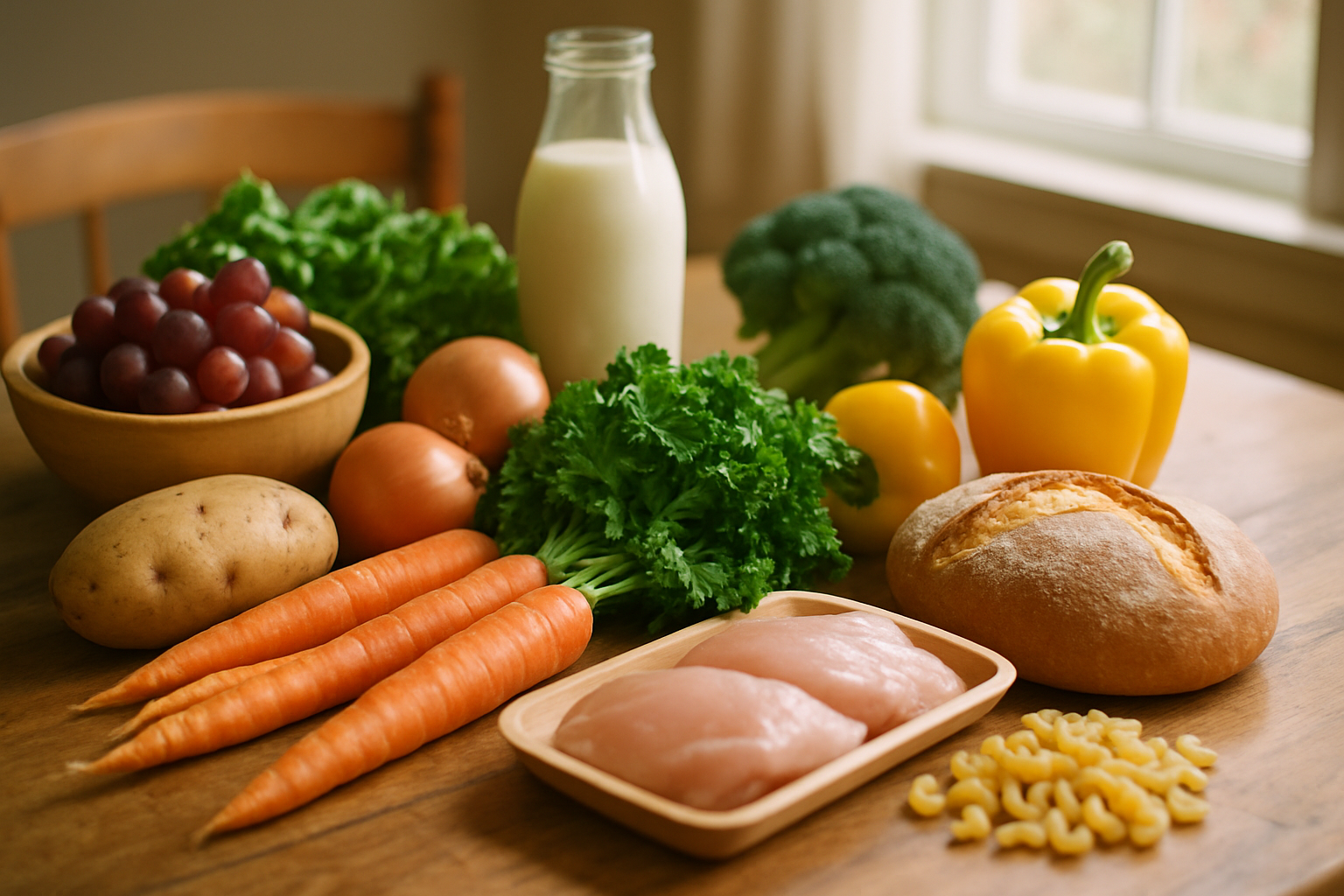
Knowing how to shop the flyers can be a game changer for your grocery budget. You can’t ignore those glossy pages that land in your mailbox each week. They’re not just colourful ads; they’re a roadmap to savings.
Start with the Front and Back
The front and back pages of grocery flyers are where the real deals often lie. Retailers showcase their best sales here to draw you in. Look for eye-catching promotions and loss leaders—these are items priced low to entice you into the store. If you can plan your meals around these deals, you’re already ahead.
Understand Stock-Up Prices
To truly benefit from grocery flyers, you need to grasp what a stock-up price is. This is the lowest price you should pay for a particular item, whether it’s canned goods, pasta, or meat. Research typical prices for your frequently purchased items, so when you see a deal, you’ll know if it’s worth buying in bulk. A stock-up price means you can stock your pantry without breaking the bank.
Watch Out for Fake Sales
Not every sale is a good one. Retailers can sometimes inflate prices before offering a discount, making it seem like you’re saving when you’re not. Always check the regular price of an item before you buy. If it’s only marginally cheaper than usual, skip it. Learning to spot these fake sales can save you a lot of money in the long run.
Skip the Pointless Multibuys
Multibuy offers can be tempting, but they’re not always a good deal. If you don’t need multiple items, don’t fall for the pressure to buy more. Instead, focus on what your family actually consumes. If your household can only use one box of cereal a week, buying three on a multibuy doesn’t save you money in the end. Stick to your needs and avoid cluttering your pantry.
Let Loss Leaders Choose Your Store
Loss leaders are specific items sold at a loss to attract customers. These deals can dictate where you shop for the week. If one store has a fantastic price on chicken, while another has a great deal on produce, consider splitting your shopping. By letting loss leaders guide your store choice, you can maximize savings on the items your family buys most.
Plan Meals Around the Deals
Once you’ve identified the best prices in the current flyers, plan your meals accordingly. Check what proteins, veggies, and pantry staples are on sale. This not only saves you money but also reduces food waste. When you have a plan that aligns with your grocery list, cooking becomes less of a chore. You’ll be more inclined to use what you’ve bought and avoid the dreaded last-minute takeout.
Don’t Forget the Local Flyers
If you’re serious about saving, don’t overlook local flyers. Often, smaller or independent stores have competitive prices or unique items that larger chains don’t carry. Be sure to check their flyers, as you might find hidden gems. It’s worth your time to look beyond the usual suspects.
Use Technology to Your Advantage
While traditional flyers are useful, technology can take your grocery shopping to the next level. Consider using apps that compile local flyers and offer price comparisons. This can save you time and help you make informed decisions. You can check what’s on sale without flipping through multiple flyers or driving to different stores.
Conclusion
Shopping the grocery flyers effectively is about more than just spotting a good deal. It’s about understanding your needs, knowing your prices, and planning your meals around what’s on sale. By following these tips, you’ll navigate your grocery shopping with confidence and keep your budget in check. If you want to streamline your meal planning and grocery shopping further, check out CartBrain for a tailored experience that makes your week easier.