 Cart
CartHow to Actually Save Money Shopping at Costco
Bulk only saves money when you can use it, store it, and skip the stuff that looks cheap but never gets used.
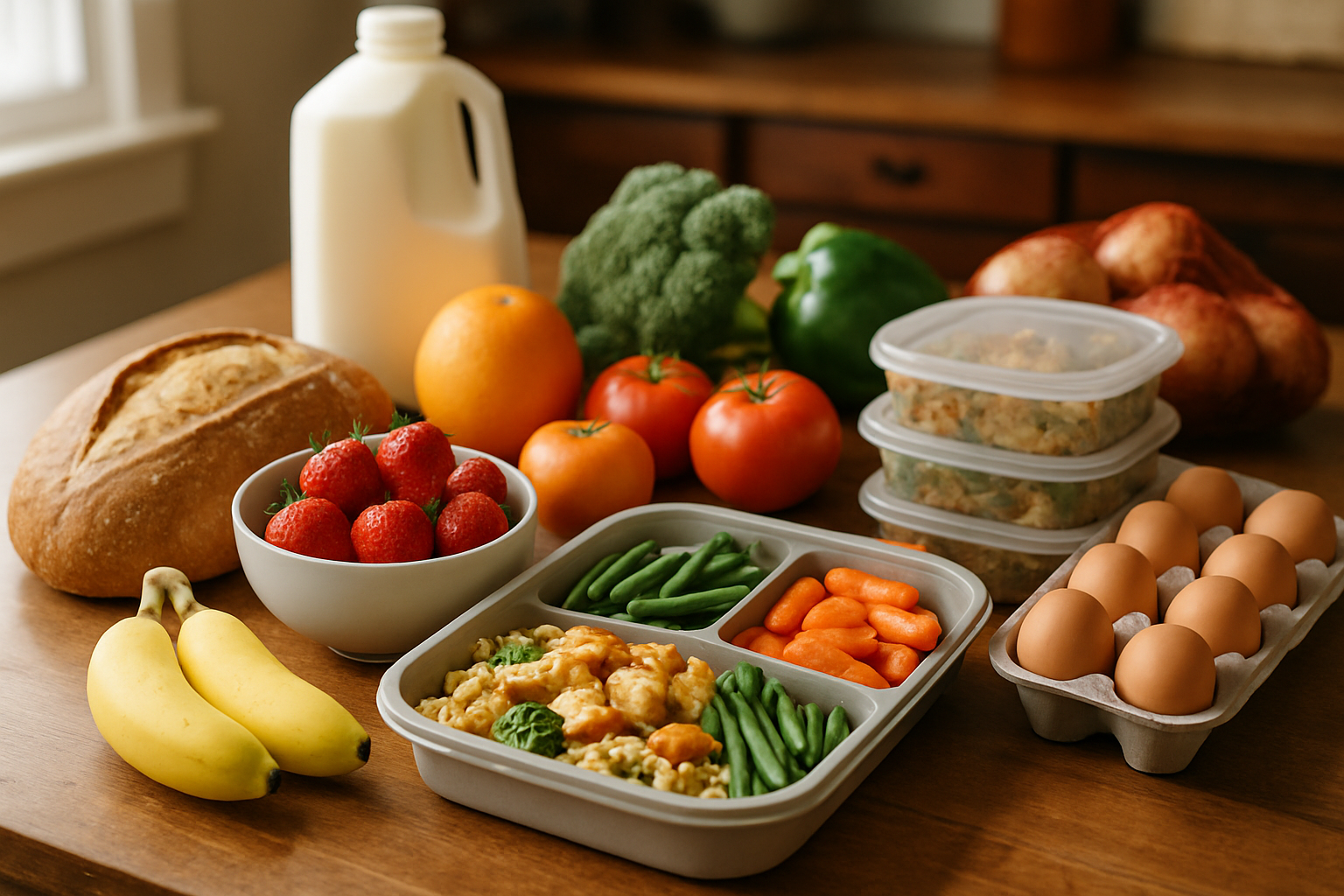
Costco can save money, or it can quietly turn into a cart full of giant snacks, extra cheese, and one more thing you did not need. The difference is not willpower. It is a plan.
Start with the rule that matters most
Bulk is only a deal if you use it before it goes bad, before it gets stale, or before it gets buried in the back of the freezer. That sounds obvious, but it is the main mistake people make at warehouse stores.
A big package is not automatically cheaper in real life. If half of it ends up tossed, the “savings” are fake. So before you buy anything in a warehouse size, ask three blunt questions:
- Will my family actually eat this fast enough?
- Do I have room to store it properly?
- Is the unit price actually better than the flyer or regular grocery store?
If the answer to any of those is no, walk away.
Compare unit prices, not package size
The giant box looks like the better deal because it is bigger. That is the trap. The only number that matters is the unit price.
Check the shelf tag and compare it with the flyer price at your regular store. Sometimes Costco wins. Sometimes it does not. Sometimes the warehouse price is good on one size, but the grocery store flyer beats it on a smaller pack that you will actually finish.
Use this simple habit:
- Look at the unit price on the shelf tag.
- Compare it to the flyer price for the same item or a close substitute.
- Ask whether the warehouse size fits your real usage.
This matters most for things you buy often. A small price difference repeated every week can add up to a better grocery bill without stuffing your kitchen with backup inventory.
What is usually worth buying big
Some things are built for warehouse shopping. They store well, get used steadily, and do not punish you if you buy extra.
Good candidates include:
- Pantry staples you use every week, like rice, pasta, oats, flour, canned tomatoes, and broth
- Freezer proteins that portion well, like chicken breasts, ground meat, fish, and frozen burgers
- Long-lasting basics, like paper towels, toilet paper, dish soap, laundry detergent, and trash bags
- Breakfast items you finish before they go stale, like cereal only if your family actually goes through it
- Lunch and snack basics if they are truly part of your routine, not a one-off mood buy
The key is consistency. Buy big only for items your household already burns through on a schedule. Warehouse shopping should support your routine, not invent a new one.
What is usually not worth buying big
Some foods look like a bargain and then become a guilt project.
Be careful with:
- Fresh produce that spoils quickly in your house
- Bakery items unless you freeze them right away
- Huge snack packs that disappear because they are there
- Specialty condiments and sauces you will use once and forget
- Anything your family likes “sometimes” but not enough to finish regularly
- Fresh dairy in sizes larger than your actual weekly use
If you are buying something because it feels responsible, slow down. That is how the cart fills up.
Use your freezer like a savings tool
The freezer is where warehouse shopping starts to make sense. It turns bulk buying from a gamble into a plan.
A few practical habits help:
- Portion meat into meal-sized packs as soon as you get home
- Label everything with the item name and date
- Freeze bread, buns, tortillas, and extra baked goods right away
- Keep a simple freezer rotation so older food gets used first
- Do not buy freezer items if your freezer is already packed tight
If you are not willing to portion and label, buy smaller. The freezer only helps if you can find what you put in it.
Build a Costco trip around meals, not moods
The easiest way to overspend at Costco is to shop without a meal plan. You go in for “a few basics” and leave with enough food for a party you are not having.
Instead, decide in advance what the warehouse trip is for. Maybe it is:
- Restocking breakfast staples
- Buying protein for a few dinners
- Replacing household basics
- Picking up one or two bulk items that fit this week’s meals
Then make a list that matches that job. If you are shopping for supper, tie the warehouse items to actual dinners. That keeps you from buying random bulk food that has no home in the week.
Keep a short list of warehouse winners
A good Costco list is boring. That is a compliment.
Your list should be short, specific, and tied to what your family actually uses. For example:
- One or two proteins for the freezer
- One pantry staple you know you will finish
- One household refill item
- Produce only if you have a plan for it
If you walk in with a long list, you are more likely to wander. And wandering is how the impulse pallet wins.
Watch for the sneaky money drains
Costco is full of things that are not bad, just expensive in the wrong way. The danger is not always the total at the till. It is the extras that sneak in because they are convenient.
Common money drains include:
- Prepared foods that save time but do not fit your budget
- Giant treats that become daily snacks
- “Just in case” buys for a meal you have not planned
- Duplicate pantry items you already have at home
- Seasonal displays that were never on your list
If it was not part of the plan, it is probably not a savings move.
Make the warehouse trip part of a bigger grocery plan
Costco works best when it is one stop in a bigger system, not the whole system.
A simple approach:
- Check what meals you are making this week.
- See which ingredients are cheaper in the warehouse and which are better from the flyer.
- Buy bulk only for items that fit your storage and usage.
- Fill the gaps at the regular store, ideally using flyer deals.
That way, you are not forcing every grocery need through one store. You are choosing the best place for each item.
Use a simple “buy big or buy small” test
Before you toss something into the cart, run this quick test:
- Will we finish it?
- Can I store it safely?
- Is the unit price actually better?
- Does it fit this week’s meals?
- Would I buy this again without a sale?
If you hesitate on two or more of those, skip it.
A practical Costco shopping plan
A warehouse trip is easier when you give yourself a job before you go.
Try this:
- Check your pantry, fridge, and freezer first.
- Write down the exact staples you are low on.
- Pick one or two bulk items only.
- Build the rest of the week around those items.
- Leave room in the cart and in the budget for nothing else.
That is how you keep Costco useful instead of expensive.
The real goal: fewer wasted groceries
Saving money at Costco is not about buying the biggest package in the building. It is about buying the right size for your family, using it fully, and avoiding the stuff that turns into waste.
If you want a warehouse run that actually supports supper instead of wrecking the budget, start with a meal plan, compare unit prices, and shop with a short list. That is the whole game.
CartBrain can help with that part by planning your week around your budget, your stores, and what is on sale, so the Costco trip fits the rest of your groceries instead of fighting them.