 Cart
Give Must-Have Extras a Real Place in the Grocery Budget
A practical way to budget for snacks, household staples, and the small extras that keep a family week running.
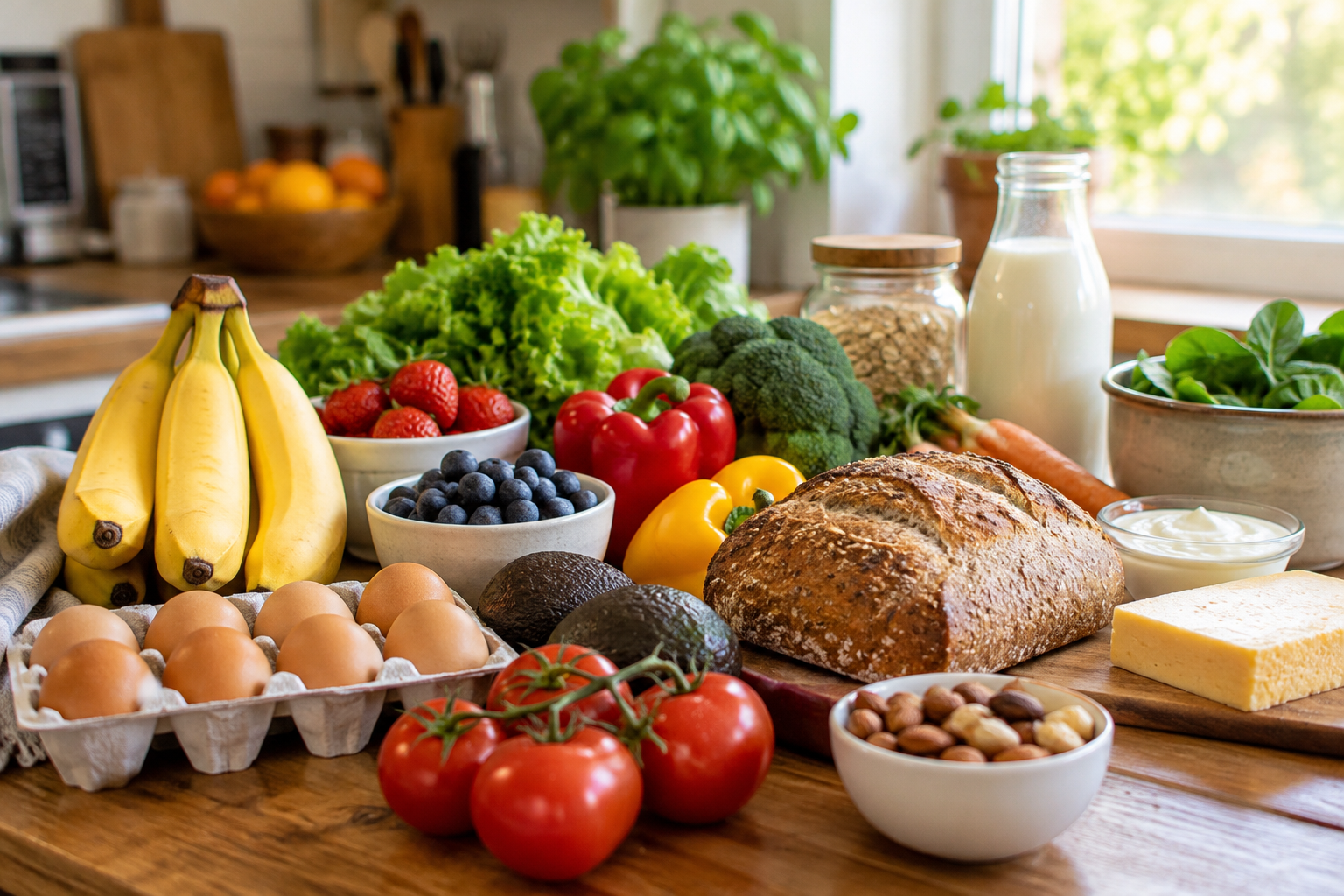
A tub of yoghurt can be breakfast, a lunchbox staple, or the snack one child refuses to live without. If it lands on your grocery list without a clear job, your meal budget starts doing work it was never meant to do.
The fix is not cutting every treat or pretending your household buys only recipe ingredients. It is giving must-have extras their own place in the grocery budget, then deciding who they are for and how often they are bought.
Separate meals from extras before you shop
Start with two lists:
- Meal ingredients: food required for the planned breakfasts, lunches, dinners, and baking.
- Grocery extras: food and household items bought regularly but not tied to one specific meal.
Meal ingredients might include pasta for a planned supper, carrots for soup, oats for breakfast, or chicken for a recipe. Extras might include coffee, tea, fruit for grazing, crackers, cereal, fizzy water, pet food, laundry detergent, dishwasher tablets, and the emergency biscuits hidden at the back of the cupboard.
This separation makes the budget more honest. A family can have a well-planned week of dinners and still spend more than expected because the list also includes snacks, cleaning products, and repeat purchases that were never assigned a category.
It also stops you from asking one number to cover two different jobs. Your meal budget should tell you whether the planned food is affordable. Your extras budget should cover the things that keep the household supplied between meals and between shopping trips.
Make a recurring extras list
Write down the extras your household buys repeatedly. Do not rely on memory. Check a few old grocery receipts, your pantry, the fridge door, and the laundry area.
Group the list into useful categories:
- Breakfast and everyday food: cereal, bread, milk, yoghurt, coffee, tea, spreads, and fruit.
- Shared snacks: crackers, popcorn, granola bars, nuts, dip, and baking supplies.
- Personal snacks: foods preferred by one child or adult rather than the whole household.
- Drinks: coffee, tea, juice, sparkling water, and other regular purchases.
- Household supplies: toilet paper, paper towels, bin bags, foil, cling film, and cleaning products.
- Personal care: toothpaste, shampoo, soap, menstrual products, and similar essentials.
- Pets and other dependants: food, treats, litter, or other recurring needs.
Not everything in these categories belongs on every weekly list. The point is to see the full pattern. A large bottle of laundry detergent may last several weeks. A box of cereal may last one week or three, depending on the household. Record how often you actually replace each item instead of treating every purchase as a weekly expense.
A simple note beside each item helps:
- Buy every week
- Buy every two to four weeks
- Replace when empty
- Keep one spare
- Optional if the budget allows
This turns vague grocery leakage into a set of decisions.
Give extras their own budget line
Once you know what counts as an extra, reserve part of the grocery budget for it before planning the meals. The amount will depend on your household, region, store choices, allergies, and what is already in the cupboards. There is no universal correct split.
The important rule is that the amount must be intentional.
If extras have no line of their own, they usually come out of the meal budget at the till. Then the planned supper appears to be the problem, even though the real issue was a basket full of unassigned items.
If you shop weekly, you can use a weekly extras allowance. If many household products are bought less often, keep a small rolling reserve for them. That way, replacing toilet paper or detergent does not feel like an unexpected budget failure.
You can also divide extras into three levels:
- Must have: needed for health, routine, work, school, pets, or household function.
- Useful to have: convenient, preferred, or regularly enjoyed but replaceable.
- Nice to have: bought only when there is room after essentials are covered.
Be careful with the word “must”. A child’s preferred snack may be a genuine need if it is the only food they will eat safely or reliably. Another item may simply be a habit. The goal is not to judge the habit. It is to label it accurately so the budget reflects real priorities.
Assign personal snacks to the person who wants them
Shared snacks are easy to budget. Personal snacks are where a household can lose track.
If one person always wants a particular yoghurt, bar, drink, biscuit, or salty snack, assign it to that person rather than hiding it in a general grocery category. This can be done without making food feel competitive.
For example, give each person a small snack list for the week. The list might include one preferred item and one shared option. Adults can use the same system. So can teenagers who are old enough to choose what they want within a set limit.
A personal snack allowance answers three practical questions:
- Who is this purchase for?
- How often is it expected to be bought?
- What happens if it is used before the next shop?
The last question matters. If one person finishes their preferred snacks early, decide whether the replacement comes from their next allowance, the shared snack supply, or the general grocery budget. Make the rule before anyone is standing in the kitchen asking for another shop.
This is not about policing every cracker. It is about stopping one person’s extras from quietly taking money away from everyone’s planned meals.
Count a purchase once when a recipe already uses it
Double-counting is one of the easiest ways to make a grocery plan look more expensive than it needs to be.
Suppose your meal plan uses a large tub of yoghurt for a sauce. The same tub can also cover breakfasts or snacks. Put the purchase on the grocery list once, then note how it will be divided between the recipe and the extra use.
The same applies to:
- A block of cheese used for supper and sandwiches
- A bag of apples used in baking and for snacks
- Milk used in several recipes and for drinking
- Flour used for a planned bake and kept for later
- Tortillas used for dinner and quick lunches
- Eggs used for breakfast and a meal recipe
- Bread used for toast and packed meals
The question is not, “How many times will we eat this?” The question is, “How much of this purchase do we need in total?”
Before adding an item a second time, check whether it is already on the meal ingredient list. Then check the quantity. If the recipe needs 500 g of cheese and the household also wants cheese for sandwiches, the purchase may need to be larger. But it is still one purchase, not two separate packages by default.
This habit protects the budget and reduces waste. It also makes the list easier to shop because each item has one clear quantity and a note about its uses.
Use the pantry before adding more extras
A planned extras budget does not mean buying every recurring item every week. Check what you have first.
Keep a short pantry and household inventory for items that are easy to forget. You do not need a perfect spreadsheet. A note on your phone can be enough:
- Opened or nearly empty
- One spare available
- Plenty in stock
- Freezer or pantry item to use soon
Pay special attention to duplicate snack purchases. A cupboard can hold several half-open packets while the shopping list still includes another because nobody knew what was there.
Store similar items together where possible. Put snack foods in one area, baking supplies in another, and household products in a separate place. A quick visual check becomes much easier when like items are not scattered through the kitchen.
Let the extras budget flex across the month
Some weeks will need more household supplies. Other weeks will need more snacks, coffee, or breakfast food. A rigid weekly limit can create unnecessary frustration when a genuine replacement is due.
Use a rolling view if your budget allows it. Set aside money for irregular essentials, then carry unused extras money forward rather than spending it simply because it is available. If the reserve is used, reduce optional extras before cutting ingredients for planned meals.
Shopping the Thursday flyer turnover may help when your local stores publish new offers, but the useful deals will vary by province, city, banner, and store. Check your own flyers and store rules. A sale is only helpful if you will use the item before it goes stale, you have storage space, and it fits the household’s actual needs.
The same principle applies to bulk buying at Costco, Bulk Barn, or another local option. A larger format can be useful for a true staple. It is not automatically a saving if it encourages waste or takes money away from the rest of the shop.
Build the system into your weekly shop
Before finalising the list, ask:
- Which items are required for this week’s meals?
- Which recurring extras are genuinely running low?
- Which snacks are shared, and which belong to one person?
- Is any extra already included in a recipe purchase?
- Is there a spare in the pantry, freezer, laundry area, or bathroom?
- Which items can wait until the next shop?
- What is the total for meals, extras, and household supplies separately?
That final split gives you useful information. If meals are on budget but extras are high, adjust the extras plan. If personal snacks are taking more than expected, review the allowance. If household replacements keep appearing as surprises, increase the rolling reserve.
CartBrain can help organise a weekly meal plan around your household, budget, chosen Canadian or US stores, and local flyer items on the web, iPhone, and Android; the weekly planner is free to start, with a full first week free and no card required. Keep its grocery list focused by treating must-have extras as a deliberate category, not as invisible spending mixed into every recipe.