 Cart
How to Reset Your Meal Plan After House Guests Leave
Take stock of the food and portions left behind, then rebuild a normal week around what your household will actually eat.
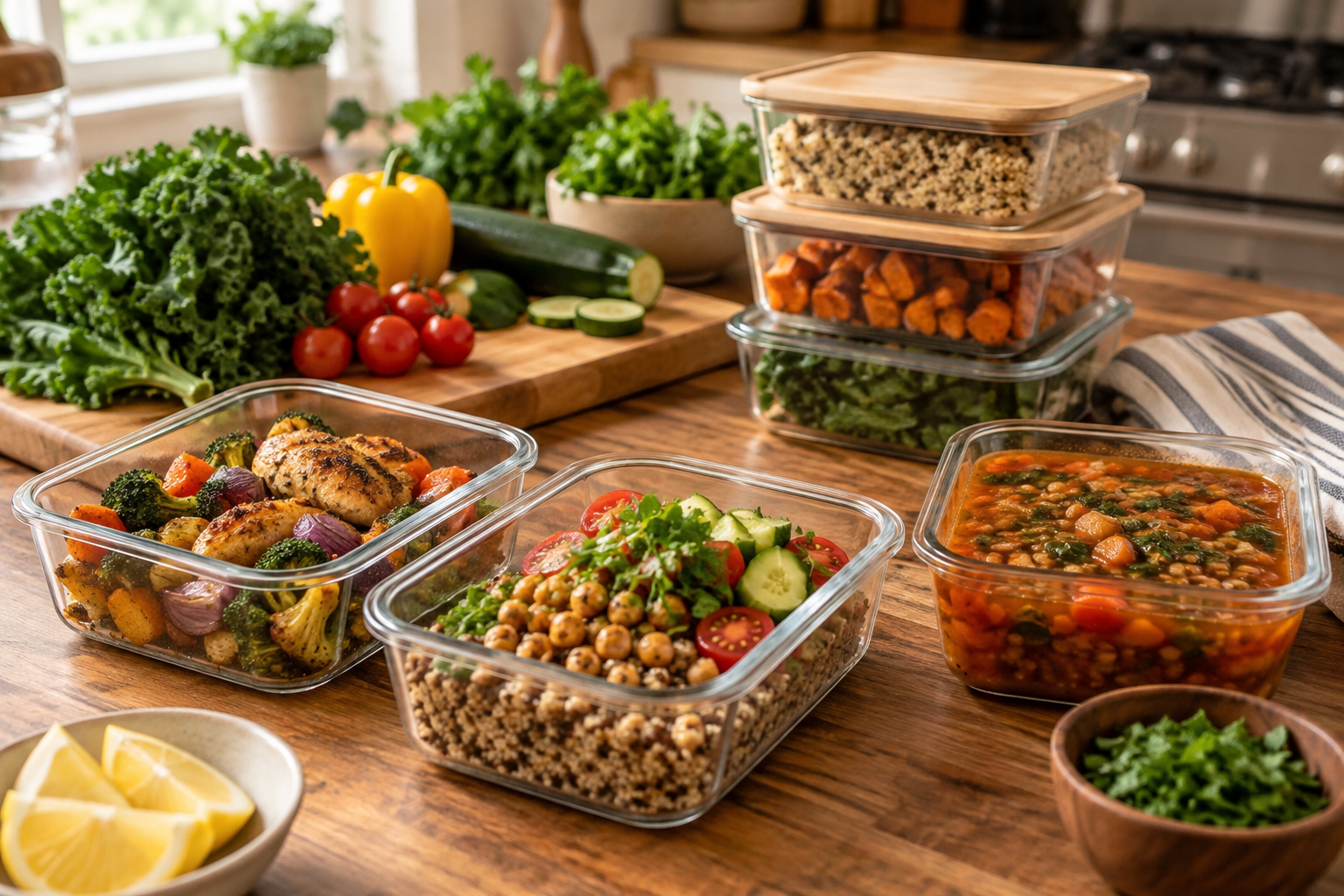
A fridge full of half-used cream, extra buns, cooked rice, and opened salad ingredients can turn a normal grocery trip into a wasteful one. After house guests leave, your meal plan needs a reset—not a copy of the larger menu you just served.
The goal is simple: count what remains, work out what your household can use, and buy only the pieces that turn those ingredients into sensible meals.
Start with a proper kitchen audit
Do not begin by opening a new grocery list. Begin with the fridge, freezer, pantry, and fruit bowl.
Pull forward anything that was bought for the guests or cooked in larger quantities. Group similar items together so you can see the full picture.
Check for:
- Cooked meat, poultry, fish, eggs, rice, pasta, potatoes, and grains
- Opened dairy such as milk, cream, yoghurt, sour cream, and cheese
- Fresh produce that was prepared but not served
- Half-used herbs, sauces, dips, dressings, and condiments
- Bread, buns, wraps, crackers, and other bakery items
- Canned goods and dry ingredients opened for recipes
- Frozen food moved around to make room for guest supplies
- Leftover portions already packed into containers
Use your senses and food-safety habits. Label leftovers with the date they were cooked, refrigerate them promptly, and freeze suitable portions if you will not eat them soon. When something looks or smells questionable, discard it. Avoid building a whole week around food you are unlikely to use safely.
You do not need a perfect inventory. A rough list is enough to prevent buying duplicates.
Separate food by urgency
Not every leftover deserves equal attention. Sort ingredients into three groups.
Use first includes cooked food, cut produce, opened dairy, soft fruit, fresh herbs, and anything close to its usual use-by window. These items should shape the next meal or two.
Use this week includes unopened vegetables, cheese, bread, eggs, canned goods, and ingredients that will hold for several days. These can support meals later in the week.
Save for later includes freezer items, shelf-stable food, and unopened products with plenty of time left. They do not need to dictate this week’s plan.
This sorting step prevents a common mistake: forcing every leftover into the first supper. One overloaded casserole is not always the best use of the food. A few ingredients may work better across separate meals.
Recount portions for your household
Guest quantities can make your kitchen look well stocked while giving you the wrong idea about how much food you actually have.
A large pot of chilli may have served a crowd, but it may leave only two household portions. A tray of roasted vegetables may look substantial until you account for the amount already eaten. A full package of buns may become tomorrow’s lunches, freezer stock, or croutons rather than a family dinner.
Estimate what remains in household-sized portions:
- How many complete suppers could this make?
- Which items are only side dishes or add-ons?
- Is there enough protein to make a main meal, or only enough for a topping or filling?
- Can the leftovers cover lunches, or should they be reserved for supper?
- Will your family eat the same dish again, or does it need to be changed into something different?
Write down portions, not just ingredients. “Cooked chicken” is less useful than “enough chicken for one supper” or “small amount for sandwiches.” This makes the next planning decision much easier.
Also return to your normal household size. If you usually cook for two adults and two children, plan for that group again. Do not keep buying as though several guests are still sitting at the table.
Build the next meal around the most perishable food
Choose the first meal based on what needs attention, not what sounds most exciting on a flyer.
Leftover chicken can become wraps, a noodle bowl, soup, or a simple pasta dish. Roasted vegetables can go into frittata, grain bowls, quesadillas, or a blended soup. Extra rice can support fried rice, stuffed peppers, or a curry. Opened yoghurt may work in a sauce, marinade, breakfast, or snack.
Keep the transformation easy. The purpose is to use food, not create another complicated cooking project after a busy hosting weekend.
A useful sequence is:
- Plan one meal for the most urgent cooked or fresh food.
- Plan one meal that uses a second cluster of leftovers.
- Use stable ingredients and freezer food for the middle of the week.
- Leave one flexible meal for odds and ends.
That flexible meal could be soup, eggs and toast, quesadillas, pasta, or a build-your-own bowl. It gives you somewhere to put small amounts without pretending they are a complete recipe.
Replace planned purchases with what you own
If you made a grocery list before the guests arrived, review it line by line. Cross out anything already in the house. Then check whether a planned ingredient is still needed in the same amount.
For example, you may have planned to buy:
- A package of chicken for a pasta dinner
- Salad greens for a side dish
- Tortillas for wraps
- Cheese for tacos
- Cream for a sauce
After hosting, you may already have cooked chicken, extra greens, unopened tortillas, cheese, and cream. The revised list may need only pasta, a vegetable, and one fresh item to make the meal work.
Look for substitutions before adding purchases. A recipe calling for spinach may work with kale or another leafy green you already have. Rice can replace another grain. Frozen vegetables can fill a gap when fresh produce is not necessary. A planned sauce may be replaced by a simple combination of pantry staples.
Do not buy a replacement ingredient just because the original recipe specified it. Plan from the food in your kitchen outward.
Reset the rest of the week
Hosting often shifts the household routine. You may have eaten restaurant food, served bigger dinners, or relied on snacks and leftovers. The next week should return to your actual schedule.
Check school, work, activities, appointments, and commute days before finalizing meals. Choose low-effort options for busy nights. Save longer cooking for a day when you have the time and energy.
Keep the portions ordinary. A guest-week plan may include multiple side dishes, a larger protein, extra baking, and more snacks. Your reset week does not need all of that. One main, one useful side, and planned leftovers may be enough.
If your freezer is crowded, make one freezer item part of the plan. If the pantry is unusually full, choose a meal that uses shelf-stable ingredients. If the fridge is nearly empty after the visit, build a normal list rather than trying to recreate the guest shop.
Shop only for the gaps
Once the revised meals are chosen, make a short gap list. Organize it by store and department if that helps you move quickly through the shop.
Your list might include only:
- A fresh vegetable to complete a leftover-based meal
- Fruit for breakfasts and snacks
- Milk or another everyday staple
- One protein for a planned supper
- A missing grain, pasta, or bread item
- Ingredients needed to turn leftovers into a different meal
Review quantities before you leave. Ask whether each item supports a meal, fills a genuine household need, or simply looks useful. “Useful someday” is how a post-guest restock becomes another crowded fridge.
Canadian stores and flyers vary by province, city, and community. A deal at a nearby No Frills, FreshCo, Food Basics, Maxi, Super C, Save-On-Foods, Co-op, IGA, Costco, or independent grocer may not be useful if it adds food you already have. Check your own store’s current flyer, assortment, and rules, especially when the weekly flyer changes around Thursday.
Keep the reset simple next time
The easiest post-guest reset starts before the guests leave. Pack leftovers in portions your household will actually use. Freeze excess bread or cooked food when appropriate. Note unopened items that were bought specifically for visitors. Send suitable extras home with guests if that works for everyone.
Then save a short kitchen note before you forget: “two portions chilli,” “half a bag of buns,” or “use salad greens first.” A small note is enough to stop those items disappearing behind newer groceries.
Meal planning after house guests is not about squeezing every crumb into a clever recipe. It is about returning to your household’s real appetite, schedule, and budget without carrying guest-sized quantities into another week. For a quicker reset, CartBrain can build a new week around your household, chosen stores, local Canadian or US flyer items, and the food you already have; new accounts get a full first week free with no card.