 Cart
CartNew to Canada: How Grocery Shopping Here Actually Works
A practical guide to Canadian grocery stores, weekly flyers, loyalty points, taxes, store brands and finding the ingredients your family already knows.
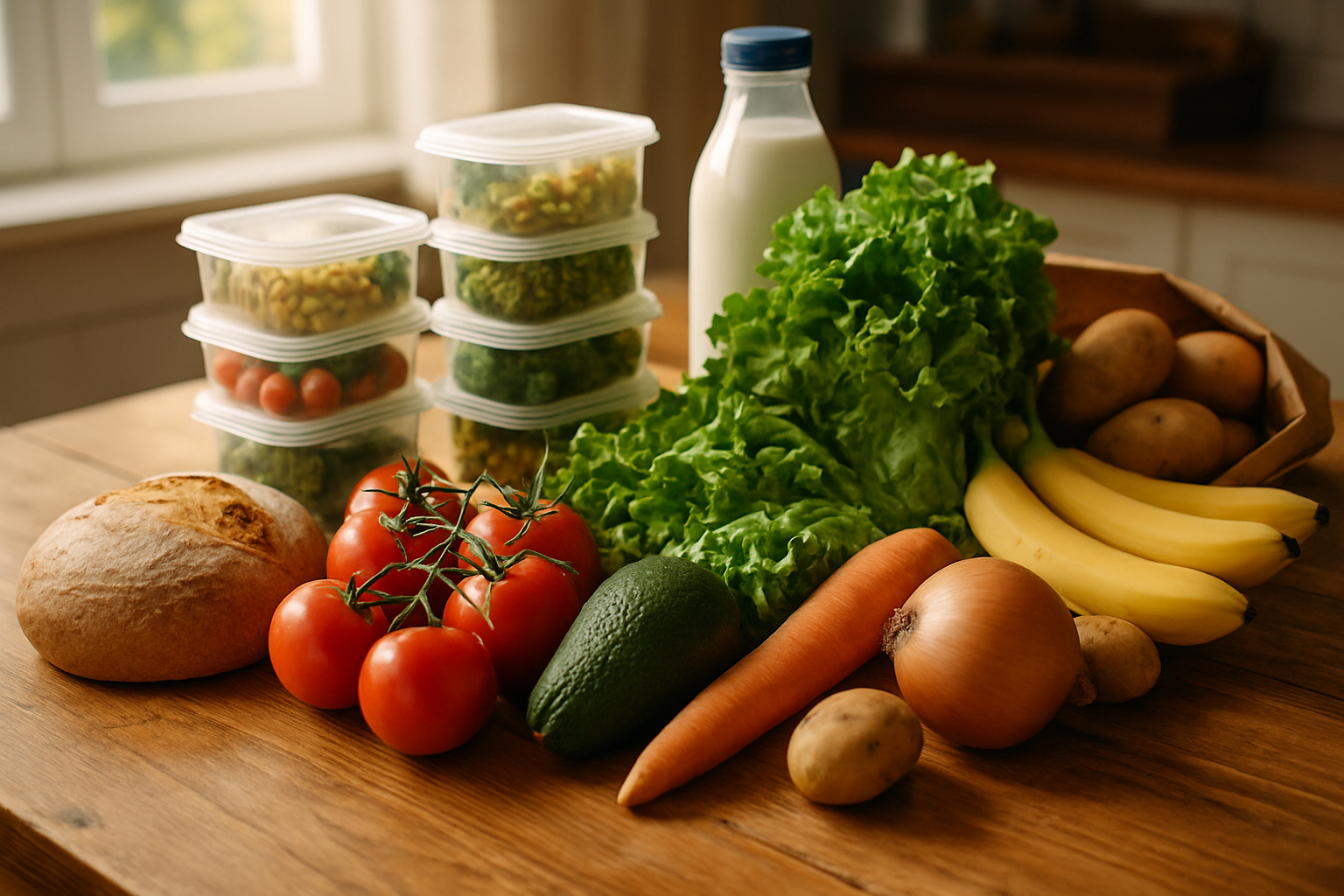
A Canadian grocery receipt can list fresh food, packaged snacks, loyalty points and tax in one long roll of paper. If the system feels confusing, you are not missing something obvious. Canadian grocery shopping has its own habits, labels and store structure.
The good news: you do not need to learn everything at once. Start with how stores are organised, how people use flyers, what loyalty programs really do and why the total at the till may differ from your mental sum.
Canadian grocery stores are often part of the same larger company
The sign above the door does not always tell you who owns the store. A few large grocery companies operate several banners, often aimed at different budgets, locations or shopping styles.
You may see a full-service banner and a discount sibling connected to the same parent company. For example, Loblaws and No Frills, Sobeys and FreshCo, Metro and Food Basics, or Provigo and Maxi can sit in different parts of the market. Other familiar banners include IGA, Super C, Atlantic Superstore, Save-On-Foods, Co-op, Giant Tiger, Bulk Barn and Costco.
This does not mean every store has the same products, prices or rules. A discount store may have a smaller selection or fewer services. A larger store may carry more prepared food, specialty ingredients or household items. A warehouse club may sell larger formats that only make sense for a bigger household or a product you use regularly.
Store choice also depends heavily on where you live. Grocery options differ between provinces, cities, smaller communities and northern areas. Do not assume a banner, product or shopping rule works the same way everywhere.
A useful first step is to visit two or three nearby stores without trying to do a full shop. Notice which one is easiest to reach, which carries the food your household uses and which has package sizes that suit your storage space.
Weekly flyers are part of the shopping system
Many Canadian supermarkets publish weekly flyers showing selected promotions and featured products. In many areas, the new shopping week turns over on Thursday, although the schedule can vary by store.
Locals often check flyers before deciding where to buy staples. That does not mean you need to visit every store. It means you can look for the best fit for this week’s list.
Flyers are available in paper form and through store websites or apps. Digital versions may let you clip offers to a loyalty account or build a shopping list. The exact features and conditions vary, so read the offer details before relying on them.
Use flyers in a simple way:
- Write down the meals and household basics you actually need.
- Check the flyers for those items, or for flexible substitutes such as chicken, beans, rice, pasta, vegetables or fruit.
- Compare the full basket, not just one exciting offer.
- Decide whether one store is worth the trip or whether a second stop makes sense.
- Check package size, flavour, variety and any stated conditions before buying.
A flyer is not a command to buy something. A discounted item still costs money, takes up space and may spoil. If it does not fit a planned meal or a reliable pantry habit, leave it behind.
Loyalty points are a rebate, not an instant discount
Many Canadian grocery chains offer loyalty programs. You usually collect points, digital rewards or another form of account credit when you buy eligible items. Later, you may be able to use that balance according to the program’s current rules.
Think of this as a possible rebate after the purchase, not as money taken off the shelf price. The till may still charge the displayed amount today. The value comes later, if you use the points and follow the program’s conditions.
Before signing up, check:
- Whether the program is available in your province and at your chosen banner.
- What information the account requires.
- How points are earned and redeemed.
- Whether offers must be loaded in an app or attached to your account.
- Whether points expire or have other restrictions.
- What happens if you return an item.
Program rules, offers and redemption systems can change. Always check the store’s current terms rather than relying on an old flyer, a neighbour’s advice or a social media post.
You do not need every store’s loyalty account. Start with the store you use most often. Keep the account details somewhere safe, and make sure the phone number or email attached to the account is one you can access.
Some groceries are taxed and some are not
The total at the till may not match the sum you made in your head. One reason is that Canadian sales tax does not apply identically to every grocery item.
Basic grocery staples are generally treated differently from many prepared foods, snacks, drinks or non-food products. The exact treatment depends on the product and the province or territory. A hot prepared item, a sweetened drink, a household cleaner and a bag of basic ingredients may not be handled the same way.
Do not try to memorise every category during your first shop. Read one receipt after you get home. Look at the subtotal, the tax line and the final total. Compare those lines with the items in your basket. After a few shops, you will have a better sense of how your usual purchases are handled.
Keep the receipt until you have checked that you were charged for the right quantities and that any points or offer you expected appeared correctly. If something looks wrong, ask the store customer service desk while the transaction is still easy to identify.
Store brands can lower the decision load
Canadian supermarkets usually carry national brands alongside their own store brands. Store-brand products may be sold under different names depending on the banner.
For everyday staples, compare the ingredient list, package size and unit price rather than judging by the front label alone. Unit pricing helps you compare products sold in different formats, such as grams versus kilograms or millilitres versus litres.
A larger package is not automatically better value. It only makes sense if your household will use it before the food quality drops, and if you have room to store it. This matters especially for newcomers who may be furnishing a kitchen or sharing limited cupboard and freezer space.
Finding familiar ingredients
You may not find every familiar ingredient in the main aisles. Start with the international or world-food section, but do not stop there. Spices, noodles, flours, canned goods and sauces may also be spread through the regular aisles.
Independent grocers are often useful for regional, cultural and specialty ingredients. Depending on your community, you may find South Asian, East Asian, Middle Eastern, Caribbean, African, Eastern European or Latin American shops nearby. These stores can also be good places to ask about unfamiliar package names or substitutes.
Farmers’ markets, bakeries, butcher shops and fish shops may help with particular foods, but their schedules and selection differ by season and location. Ask people from your local community where they shop for ingredients from home. A community centre, settlement worker, school group or neighbourhood association may have practical recommendations.
If an ingredient is difficult to find, identify its job in the recipe. A specific leafy green may provide texture. A certain flour may provide stretch. A particular chilli may provide heat and flavour. Once you know the purpose, a shop employee or experienced cook can often suggest a substitute.
Build a routine before chasing the perfect deal
Your first goal is not to master every Canadian grocery store. It is to create a repeatable shop that feeds your household without wasting food or energy.
Choose a main store close to home. Keep a running list of basics. Check one or two weekly flyers before shopping. Learn one loyalty program if it genuinely suits you. Read your receipts. Add a second store only when the trip is worth the time and transport cost.
Plan a few flexible meals instead of buying ingredients for a different complicated recipe every night. Keep useful substitutes in mind when the flyer changes or your preferred product is unavailable. Prices, stock and promotions vary by province, city and week, so flexibility matters more than loyalty to one exact basket.
Once you know your regular meals, stores and budget, CartBrain can help you plan a Monday-to-Sunday week around local flyer items and organise a store-split grocery list. The weekly meal planner is free to start; the per-child lunchbox planner is a paid upgrade.