 Cart
CartWhen Your Go-To Protein Gets Expensive, Use a Swap Plan
Keep the meal your family knows, then let the best-value protein choose the version you cook this week.
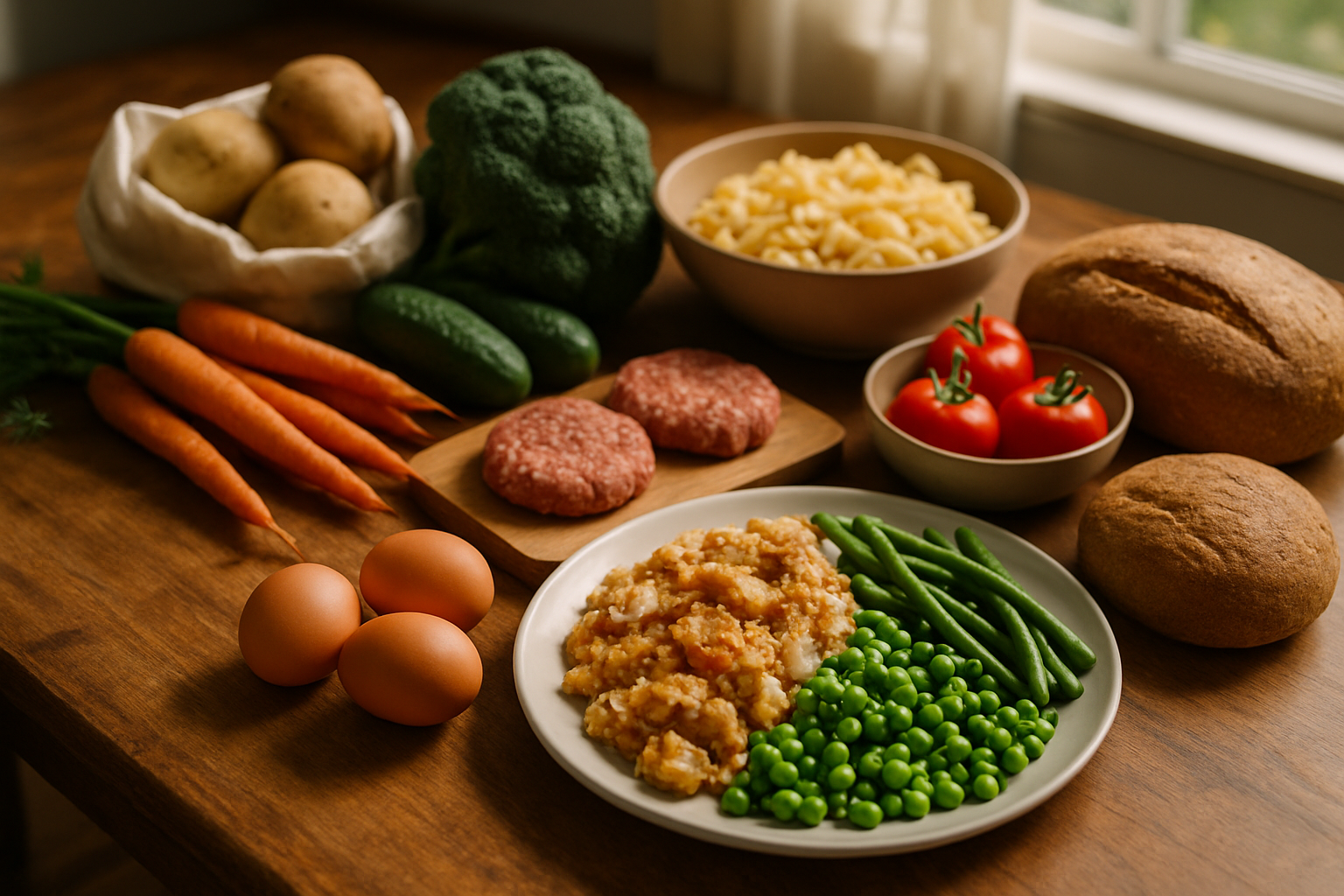
A chicken-breast recipe does not need chicken breast to remain chicken dinner. The sauce, starch, vegetables and cooking method can stay put while the protein changes to thighs, a whole bird, lentils or eggs.
That is the useful shift when protein prices jump. Do not start over with a completely different menu. Build a substitution ladder around meals your household already recognises.
The goal is not to serve the cheapest ingredient every night. The goal is to keep supper familiar, flexible and filling while giving yourself more than one acceptable answer at the meat counter.
Start with the supper frame, not the protein
Most family meals have a basic frame:
- Protein
- Starch or grain
- Vegetable or fruit
- Sauce, seasoning or cooking method
When one part becomes expensive, protect the other three. A taco night can use ground beef, ground turkey, lentils, beans or a mixture. The shells, salsa, lettuce and cheese still make it feel like taco night.
A sheet-pan supper can use chicken breasts, thighs, drumsticks, sausages, chickpeas or a seasoned whole chicken. Keep the potatoes, carrots and spice blend familiar.
This works because children often notice the shape and flavour of a meal before they analyse the exact protein. A bowl, wrap, pasta sauce or rice plate gives the swap somewhere to belong.
Before shopping, write down the meals your family accepts in broad terms:
- Tacos or taco bowls
- Pasta with meat sauce
- Stir-fry with rice
- Burgers or meatballs
- Roast with potatoes and vegetables
- Soup, stew or chilli
- Eggs with toast and fruit
Those are your frames. Now add more than one protein option to each.
Build a substitution ladder
A substitution ladder keeps you from making a tired decision in the aisle. Put the most familiar option at the top, then move down through alternatives that still fit the recipe.
For a chicken supper, the ladder might look like this:
- Boneless chicken breast
- Boneless or bone-in chicken thighs
- Drumsticks or split chicken pieces
- A whole chicken
- Chickpeas, white beans or lentils in a similar seasoned dish
For a beef supper, try this:
- The cut named in the recipe
- A different ground-beef format, such as meatballs, patties or a skillet mixture
- A smaller amount of beef combined with lentils or beans
- Lentil-and-mushroom filling for tacos, pasta sauce or shepherd’s pie
- Eggs, canned fish or cheese in a different meal frame
The bottom of the ladder does not need to imitate the top perfectly. It only needs to preserve enough of the meal for your household to accept it.
Keep the substitution practical. A quick-cooking recipe should not suddenly require a long braise unless you planned for that time. A recipe that depends on a firm texture may need a different protein rather than a direct one-for-one exchange.
Let this week’s protein choose two suppers
Do not buy a different protein for every meal. Choose one flexible protein and assign it two suppers before you shop.
If chicken thighs are the sensible choice this week, use them in a sheet-pan meal and shred the leftovers into wraps. If eggs fit the budget and your family likes them, use them for a vegetable frittata and fried rice. If canned fish is already in the cupboard, make fish cakes one night and tuna pasta another.
This is not about forcing leftovers into a second identical dinner. Change the format:
- Roast chicken becomes tacos, sandwiches or soup.
- Cooked ground beef becomes pasta sauce, quesadillas or stuffed peppers.
- Lentil chilli becomes baked-potato topping or a filling for wraps.
- Hard-boiled eggs become egg salad, chopped salad topping or a snack plate.
- Canned salmon or tuna becomes patties, pasta or a rice bowl.
A protein that works in two meals has more value than one that only fits a single recipe. Plan the second meal before you cook the first. Otherwise, the extra portion may sit in the refrigerator without a job.
Use chicken flexibility to your advantage
Chicken is easy to overthink. Many recipes call for boneless breast because it cooks quickly and looks tidy. That does not make it the only useful option.
Thighs can work in curries, sheet-pan meals, rice dishes, soups and wraps. Bone-in pieces suit oven meals and braises. A whole chicken can provide a roast meal, shredded meat for another supper and a base for soup if you use the bones.
Adjust the method instead of pretending every cut cooks the same way. Bone-in pieces usually need more time than small boneless pieces. A whole bird needs planning. Check that chicken is fully cooked using a food thermometer, and keep raw poultry separate from ready-to-eat food.
When a whole chicken is on your list, decide the three jobs in advance:
- First meal: roast chicken with potatoes and vegetables.
- Second meal: shredded chicken in wraps, quesadillas or pasta.
- Third meal: soup, fried rice or a grain bowl using the remaining meat and vegetables.
The meals should look different enough that nobody feels served the same plate three times.
Stretch beef without hiding it
You do not need to remove beef completely to use less of it. Combine it with a partner that suits the dish.
Lentils can bulk out taco filling, chilli, shepherd’s pie and pasta sauce. Beans work in burritos, soups and skillet meals. Finely chopped mushrooms can add moisture and savoury flavour to burgers, meatballs or sauces.
Start with a meal your family already accepts. Replace only part of the meat, season it well and keep the familiar toppings or sides. A gradual change is easier than announcing a brand-new dinner built around an ingredient your children have rejected before.
Texture matters. Brown lentils hold their shape better in some fillings, while red lentils soften into sauces and soups. Canned beans are convenient; dried beans can be useful if you already cook them and have the time. Rinse canned beans when appropriate, especially for dishes where you want a cleaner flavour.
The same principle applies to other higher-cost proteins. Keep the protein visible if that helps acceptance, then add a supporting ingredient rather than making the entire meal depend on it.
Keep eggs and canned fish in the quiet-workhorse category
Eggs do not need to be reserved for breakfast. They can anchor fried rice, frittatas, shakshuka-style tomato dishes, savoury oats, sandwiches and noodle bowls. Add vegetables, toast, potatoes or rice so the meal feels complete.
Canned tuna, salmon, sardines or other canned fish can cover lunches and suppers without much preparation. Use them in fish cakes, pasta, rice bowls, sandwiches and salads. Check the label for storage instructions and choose the type your household will actually eat.
These proteins are especially useful on nights when cooking energy is low. Keep one or two no-fuss meals in your plan so you are less likely to replace a planned supper with an unplanned shop or takeaway order.
Shop by the ladder, not by loyalty
Before you leave for the store, identify the protein you would normally buy and two acceptable substitutes. Then check the flyers and your chosen stores for this week’s options. Flyer turnover often happens on Thursday, but the exact timing and offers vary by store and region.
Canadian households do not all shop the same way. A No Frills or Maxi option may not be available where you live. A family in Atlantic Canada may have different access from one in northern Ontario, British Columbia or a small community. Compare the stores you can realistically reach, including local butchers, Co-op, Costco, Bulk Barn or independent grocers where relevant.
Do not switch stores for a theoretical saving that costs more in fuel, time or extra purchases. Write the substitution beside the meal on your plan. If the preferred protein is not a good fit this week, move down the ladder without rewriting the entire menu.
This is where a weekly planner such as CartBrain can help: set the household and budget, check this week’s local flyers, then assign one flexible protein to two familiar supper frames before building the store-split list.
The best cheap protein alternatives are not random ingredients. They are planned exits from a single expensive choice. Keep the sauce, starch and format your family knows. Let the protein change when the shop requires it.