 Cart
CartAlready Have It? Take Pantry Food Off Your Shopping Budget
Check every planned ingredient against your shelves, remove what you already own, and keep the recipe intact for a more accurate grocery budget.
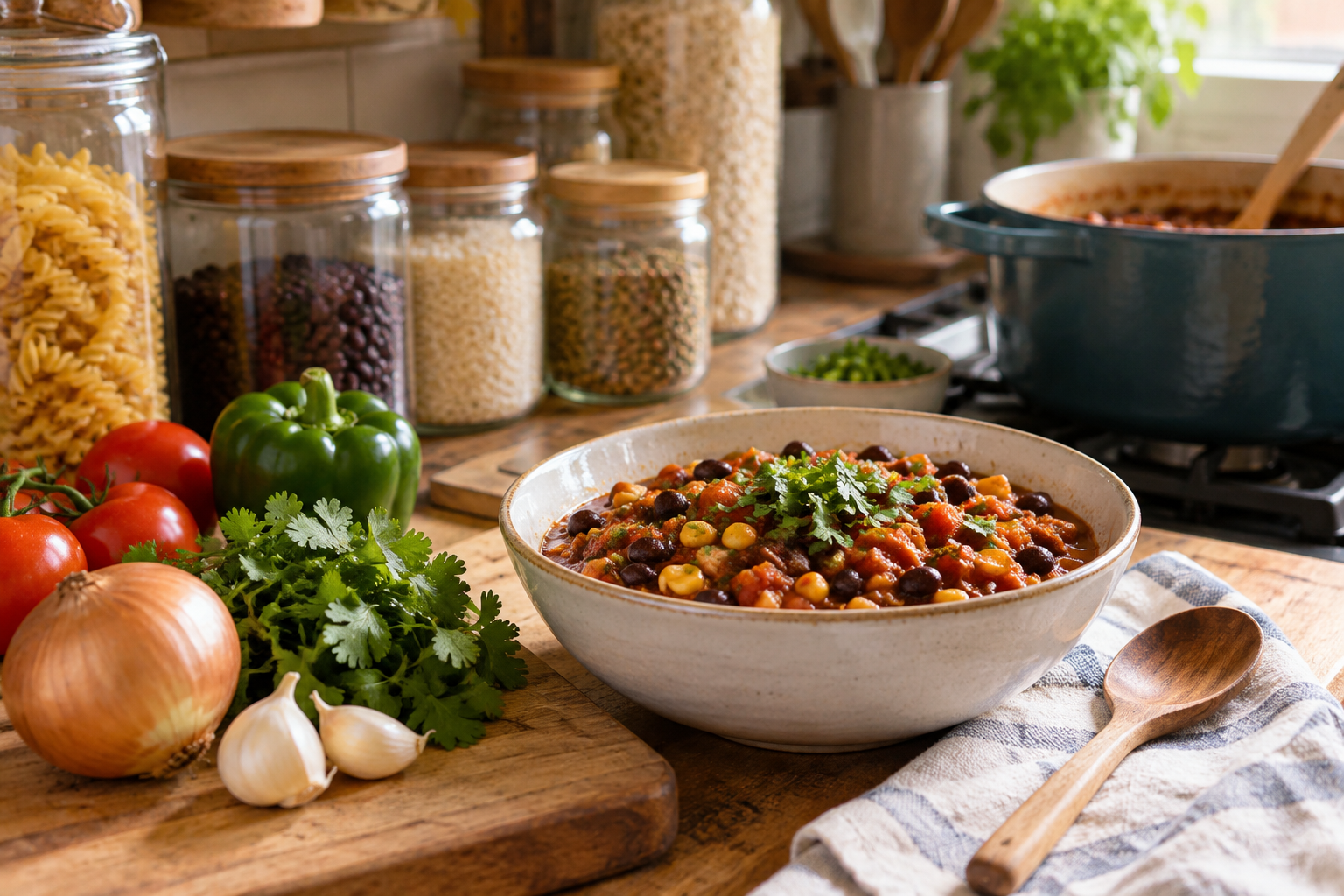
A can of chickpeas hiding behind the tea, half a bag of rice in the freezer, and three open jars of pasta sauce can quietly inflate a weekly grocery list.
Before you buy anything, check what is already in your home. The goal is not to delete ingredients from your meals. It is to separate food you own from food you still need to purchase.
That small distinction matters. If you remove an ingredient from the recipe itself, you may forget why it was there. If you leave every ingredient on the shopping list, you risk buying duplicates. The practical fix is to mark owned food clearly and keep the recipe complete.
Start with the full meal plan
Do not begin by wandering around the kitchen with a shopping bag in hand. Start with the meals you plan to make from Monday to Sunday.
Read the recipes and note every ingredient. Include the small items that are easy to overlook:
- Cooking oil
- Rice, pasta, noodles, or grains
- Canned tomatoes, beans, and chickpeas
- Stock or bouillon
- Flour, sugar, and baking powder
- Spices and dried herbs
- Soy sauce, vinegar, mustard, or other condiments
- Freezer vegetables or frozen meat
- Lunchbox staples, if you use a separate lunch plan
The list should represent the complete plan before you subtract anything. This gives you a reliable starting point and makes it less likely that a forgotten ingredient will derail dinner.
Check your pantry before the shops
Work through the list one item at a time. Check the pantry, fridge, freezer, and any second storage spot where food tends to migrate.
Look behind tall bottles. Check the back of the freezer. Open the produce drawer. Scan the shelf where bulk food lives. If more than one person shops in your household, check whether someone has already bought the item.
For each ingredient, ask three questions:
- Do we have it?
- Is there enough for the planned recipe?
- Is it still in good condition and within its best-before guidance?
The second question is the one that prevents most mistakes. Having a small amount is not the same as having enough. A recipe calling for 500 g of pasta does not mean a nearly empty 250 g bag covers the need. A jar with one spoonful left is not a full jar for a sauce.
If you have part of an ingredient, keep it on the purchase list with the amount still needed. Do not mark the whole item as owned.
Separate owned food from required purchases
Create two simple categories:
- Already owned: food you can use for the planned meals
- Still required: food you need to buy before cooking
This separation is more useful than trying to make the entire grocery list shorter at any cost. The complete ingredient list still belongs to the recipes. Only the shopping task changes.
For example, a chilli recipe may need canned tomatoes, kidney beans, onion, ground meat, stock, and spices. You may already have the tomatoes, beans, stock, and spices. The remaining shopping list should show the onion and meat, not pretend the other ingredients do not exist.
Keep a note of what was used from the pantry. If you finish the last can of tomatoes or use the final scoop of rice, it may need to return to a future shopping list. Otherwise, a successful pantry check can create the next shortage without you noticing.
Use amounts, not vague guesses
“Some rice” and “a bit of cheese” are not useful inventory checks. Compare the recipe amount with what is actually available.
Use the same units as the recipe where possible:
- 400 g of chicken
- 250 g of grated cheese
- 1 L of milk
- 2 cans of tomatoes
- 3 onions
- 15 mL of oil
If the recipe uses a different unit, make a reasonable conversion before deciding. A 1 kg bag of flour is enough for a recipe needing 300 g. A 500 mL carton of cream is not enough if the plan uses the full carton in two separate meals.
You do not need laboratory precision. You do need enough clarity to avoid buying food you already have or discovering halfway through cooking that the cupboard supply is short.
Check substitutions before removing anything
Pantry checking often reveals a usable substitute. That can reduce the shopping list, but only if the swap works for the recipe and your household.
Examples include:
- Dried beans instead of canned beans, if they are already cooked and ready
- Frozen spinach instead of fresh spinach
- A different shape of pasta in the same dish
- Plain yoghurt instead of sour cream in a sauce
- A similar dried herb when the recipe uses a flexible seasoning
Be more careful with ingredients that affect the structure of a dish. Baking ingredients, liquid amounts, rice, pasta, and proteins may not swap neatly. Allergies and dietary needs also come first.
Write down the substitution or adjust the recipe note in your own system. Otherwise, you may remember only that something was removed and forget what replaced it.
Do not remove the ingredient from the recipe
This is the key rule: remove pantry items from your grocery list, not from the meal plan.
The recipe should continue to show every ingredient it needs. That protects the plan when someone else cooks, when you move meals to another day, or when you review the week later. It also makes the plan easier to reuse.
A recipe with ingredients silently deleted can become confusing. You may wonder whether the meal was changed intentionally or whether an ingredient was simply forgotten. Keeping the full recipe gives you a record of the dish as planned.
The shopping list is a temporary purchasing view. The recipe is the cooking plan. They serve different purposes.
Check the list again before leaving
After marking owned items, do one final pass. This catches both duplicates and accidental deletions.
Check that:
- Every planned meal still has its full ingredient list
- Part-used ingredients show the amount still required
- The items already at home are clearly marked as owned
- Fresh food is still on the purchase list if your supply is not enough
- Ingredients shared across several recipes are counted only once
- Pantry staples removed from the list are actually usable
- Any required substitutions are written down
- The list is sorted for the store or shops you intend to visit
Shared ingredients deserve special attention. If two meals each use one onion, you need two onions, not one. If a bag of rice covers both dinners, it should not be counted twice. Compare the total planned use with the amount in your home.
Keep a small running pantry check
You do not need a complicated inventory spreadsheet. A short note on your phone can help with items you regularly use.
Track staples that disappear quickly, such as rice, pasta, oil, oats, canned tomatoes, coffee, and flour. When you finish one, add it to a running restock note. When you plan the next week, check that note alongside the recipes.
Storage also matters. Keep open packages together where practical. Use a clip or container for partly used dry goods. Put newer items behind older ones. These habits make the next pantry check faster and reduce the chance of buying a duplicate.
Do not treat best-before dates as an automatic reason to throw out every pantry item. Use your judgement, follow food-safety guidance, and discard food that shows clear signs of spoilage or damage.
Make the budget reflect what you will buy
A grocery budget is more useful when it reflects purchases still required, not every ingredient mentioned in a recipe. Pantry food still has value, but it is not part of this shop if you already own it.
That means your budget review should happen after the pantry check. Look at the remaining ingredients, then consider whether the meals fit the amount you want to spend. If they do not, adjust the meal plan before shopping rather than removing essential ingredients by accident.
You can also choose meals that use the same pantry staples across the week. That helps use food already in the home and limits the number of new items needed. Just remember to count the total quantity used across all recipes.
A clean list is not one with the fewest lines. It is one that shows what you need to buy, while keeping the meals complete.
When planning in CartBrain, use the Already have it action for ingredients you have checked and can use. It keeps those ingredients out of the shopping list while leaving them in the recipe, so your grocery budget reflects purchases still required without breaking the meal plan.