 Cart
CartGrocery Shopping in the US as a Canadian: What’s Actually Cheaper
Some US groceries look cheaper at the shelf, but exchange rates, taxes, travel costs and border rules can erase the difference.
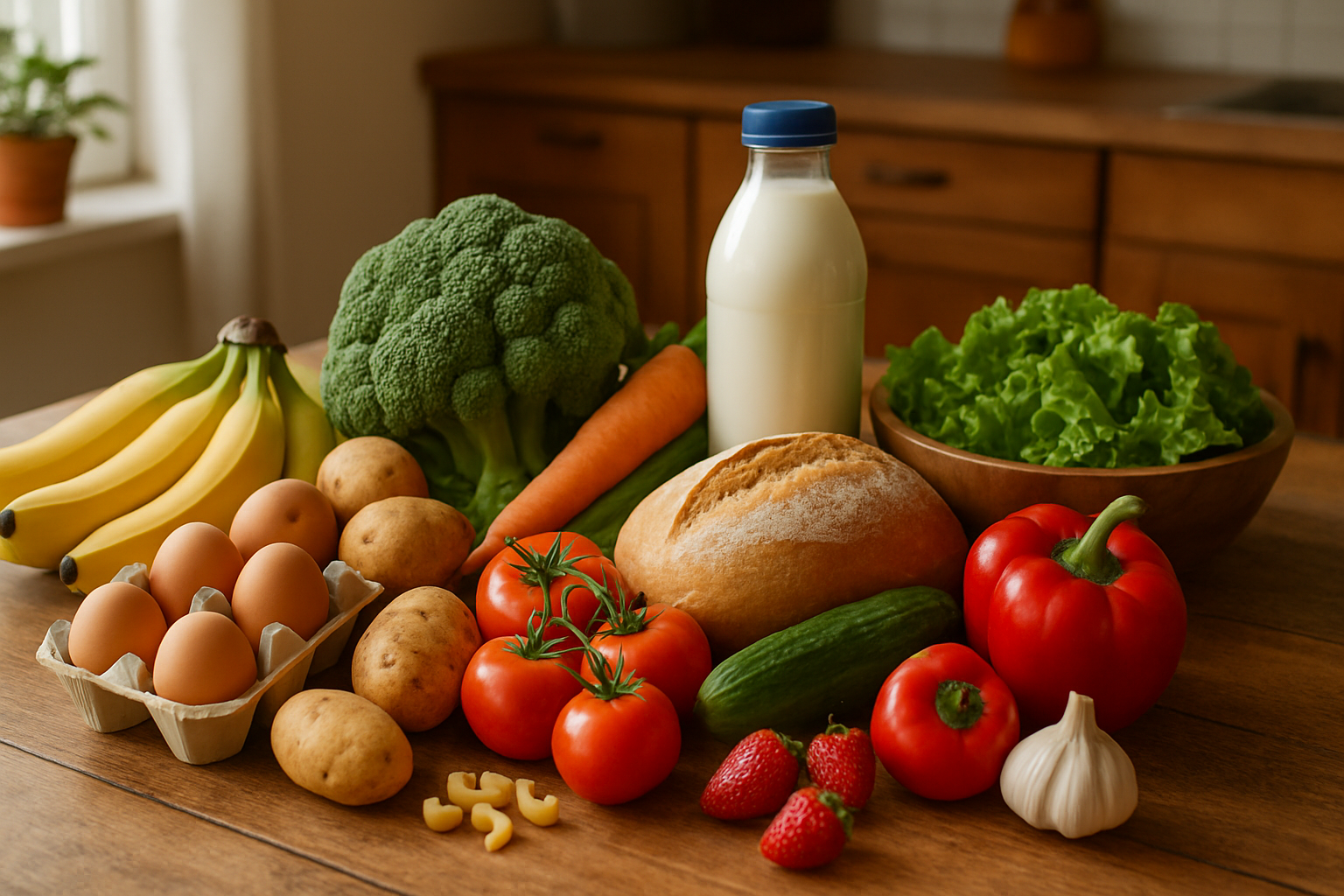
A US shelf price of $3.99 can look like a bargain until the till converts it to Canadian dollars, adds sales tax and leaves you explaining twelve cartons of eggs at the border.
Cross-border grocery shopping can save money in the right situation. It can also turn into an expensive detour for a few tempting deals. The answer depends on the food, the exchange rate, your province, the US state you visit and what you are allowed to bring home.
Start with the categories most likely to differ
The biggest price gaps are often in foods affected by different production and trade systems. In Canada, supply management affects dairy, eggs and poultry. That means Canadian prices for these categories can be higher than prices across the border, although the difference varies by product, region and retailer.
US stores may be worth checking for:
- Milk, cheese and other dairy products
- Eggs
- Chicken and some other poultry
- Certain packaged dairy or poultry items, where import rules allow them
That does not mean every US item is cheaper. A sale at a Canadian store can beat a regular US shelf price. A warehouse pack may look inexpensive but create waste if your household cannot use it before it spoils. Specialty cheese, lactose-free products and organic options can behave differently from standard versions.
Treat dairy, eggs and poultry as categories to compare. Do not assume the entire refrigerated section is cheaper.
Produce and pantry staples are less predictable
Fruit and vegetables depend heavily on season, growing region, transport and local promotions. A US store near a producing region may have a strong price on a seasonal item. A Canadian store may be more competitive when its own flyer has a promotion or when the same product is being sourced efficiently.
The exchange rate matters even more for produce because the original shelf-price gap may be modest. A small advantage can disappear after conversion, tax and travel costs.
Pantry staples are similarly mixed. Flour, rice, pasta, canned foods, cereal, coffee, sauces and snacks may be cheaper in one country, but package sizes and brands make direct comparison difficult. A US box may be priced lower but contain less. A multi-pack may contain more, but only if you would have bought that quantity anyway.
Compare the unit price when possible:
- Price per 100 g for dry goods and snacks
- Price per litre for liquids
- Price per kilogram for meat, produce and bulk foods
- Price per item for eggs or individually packaged goods
Unit pricing is not always displayed in the same way, and package labels can be confusing. Do the calculation yourself when the comparison matters.
Convert the price before you decide
Never compare a Canadian dollar shelf price with a US dollar shelf price. Convert both to the same currency first.
Use the exchange rate your payment method will actually apply, not only the headline rate shown in a search result. Credit cards and other payment methods may use their own conversion rate or add a foreign-exchange fee. Your bank account may also show the final Canadian amount later, after the transaction has posted.
A useful comparison looks like this:
- Record the US price in US dollars.
- Convert it using a realistic rate for your card or payment method.
- Add any foreign-exchange fee you expect.
- Add the applicable US sales tax.
- Compare the final Canadian amount with the Canadian price for the same size and product.
Do the same for the whole basket, not only the three items that caught your eye. A lower price on chicken does not help if the rest of the shop is more expensive.
Include the cost of getting there
A grocery run across the border is not free transport. Include fuel, parking, tolls, extra meals, travel time and any overnight cost. If you are already travelling for another reason, the calculation may look better. If the trip exists only to buy groceries, the break-even point is much higher.
Also consider your freezer and fridge space. A product that must be eaten quickly is not a useful bargain if you need to buy a second meal on the way home. Perishable food can spoil during a long drive, especially in warm weather or if border delays are longer than expected.
A practical rule: compare the savings on your planned basket with the complete cost of the trip. If the result only works when every item is cheaper, it is probably too fragile.
What can you bring back to Canada?
Food entering Canada is subject to rules. The answer can depend on the product, where it was made, where you are returning from, how much you have and whether there are temporary restrictions related to pests or animal disease.
Common categories that need extra care include:
- Meat and poultry
- Eggs and dairy
- Fresh fruit and vegetables
- Seeds, plants and soil
- Homemade or unpackaged foods
- Products containing animal ingredients
Some foods may be allowed with limits, conditions or documentation. Others may be restricted or refused. Packaging and proof of origin can matter. A product being legal to buy in the US does not automatically make it admissible in Canada.
Check the current guidance from the Canada Border Services Agency and the Canadian Food Inspection Agency before shopping. Use the official tool or current border information for the exact product. Rules can change, especially during animal-disease or plant-pest situations.
Declare everything. Do not hide food because you are unsure whether it is allowed. Border officers can decide whether an item enters, and undeclared goods can create a much bigger problem than losing the item.
Duty-free personal exemptions, in plain terms
Your personal exemption is the value of goods you can bring back without paying duty and taxes, based mainly on how long you were outside Canada. It is not a shopping allowance that makes restricted food acceptable. It does not override food-import rules, and you still need to declare what you bought.
For many Canadian travellers, the common structure is:
- After being away for at least 24 hours, a limited personal exemption may apply.
- After being away for at least 48 hours, a higher exemption may apply.
- After longer absences, the exemption may be higher again.
The exact amount, eligible goods and exceptions depend on the current rules. Alcohol and tobacco have separate conditions, and some goods do not qualify in the same way. Family members travelling together may also have rules that affect how exemptions are applied.
Do not treat the exemption as a way to avoid all charges. If your purchases exceed the applicable limit, you may owe duties or taxes on some or all of the excess, depending on the goods and the rules. Keep your receipts. Be ready to state how long you were away and what you bought.
A better way to compare a cross-border basket
Before leaving, make a short list of items you would buy at home anyway. Add the Canadian price, the US price and the package size. Then compare the converted unit cost.
Mark each item in one of three groups:
- Worth checking: the price gap is large enough to investigate.
- Only worth it on sale: the regular price is not compelling.
- Not worth the hassle: the difference is small or the item has import concerns.
Avoid building a trip around uncertain products. Fresh meat, dairy, eggs and produce can have the biggest apparent differences but also carry more border and spoilage considerations. Shelf-stable pantry goods are easier to transport, but their savings can disappear when package sizes and exchange costs are corrected.
Canadian prices also vary widely. A household near Windsor, Niagara, the Lower Mainland or another border region faces a different calculation from one in northern Ontario, Atlantic Canada or a remote community. Local store competition, provincial taxes and travel distance all matter.
The bottom line
Grocery shopping in the US vs Canada is not a simple question of which country has the lower shelf price. Dairy, eggs and poultry are often the first categories worth comparing. Produce and pantry staples depend more on season, promotions, package size and the exchange rate that week.
Convert the prices. Count the travel costs. Check current import rules. Use the personal exemption as a border rule, not as permission to bring anything home. If you want to test the idea with your actual household, stores and weekly budget, CartBrain can help you plan the Canadian side of the shop before you cross the border.