 Cart
CartGrocery Shopping With Kids Without the Meltdown or Extra Spending
Give children a job, make one treat decision early, and let the list handle the arguments your tired brain cannot.
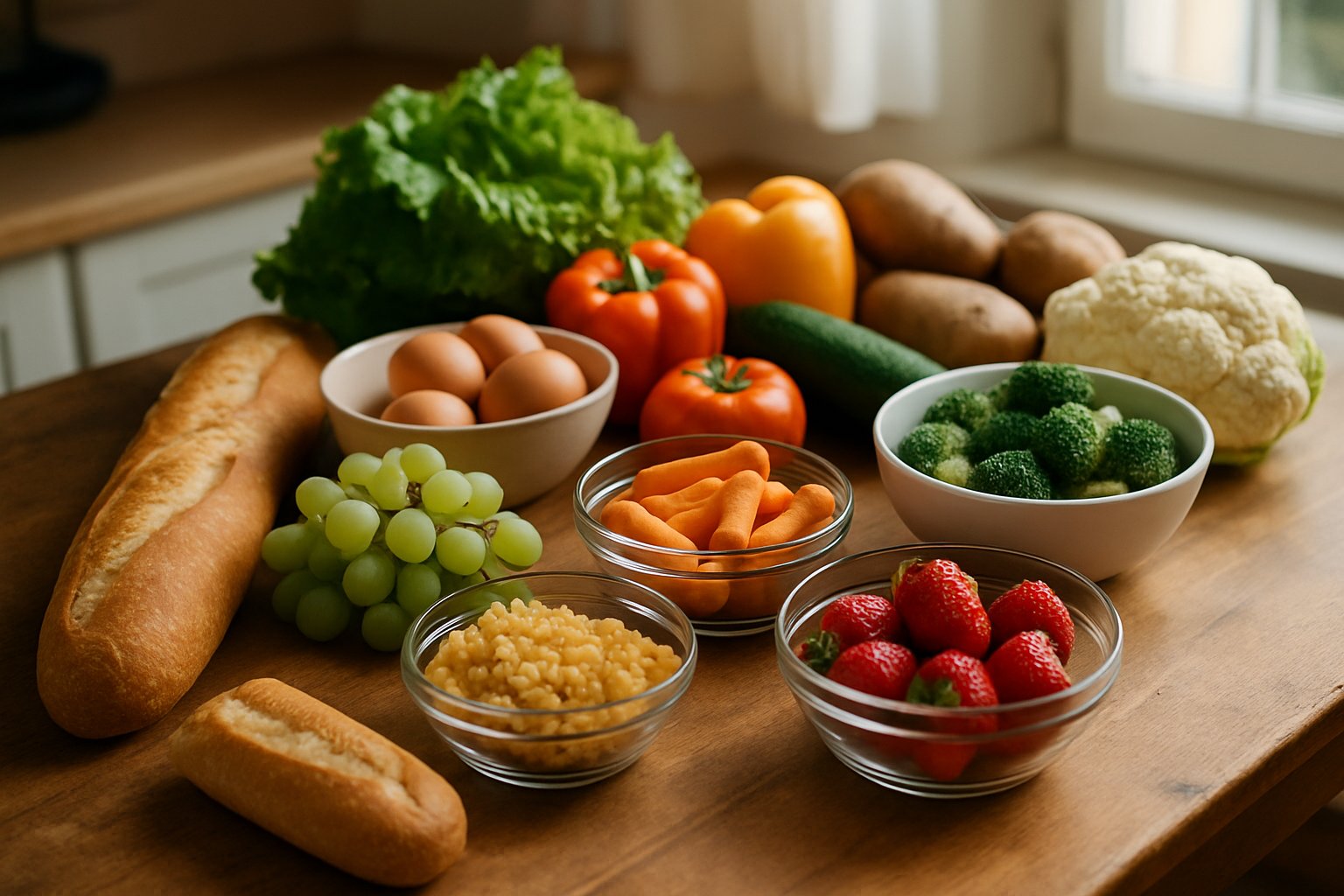
A child who helps weigh 1 kg of potatoes is less likely to drop a chocolate bar into the trolley unnoticed. Grocery shopping with kids can be a budget problem, a patience problem, or both. The fix is not perfect behaviour. It is giving the trip enough structure that every aisle does not become a fresh negotiation.
Decide whether they need to come
Sometimes the best grocery shopping with kids tip is not bringing the kids.
If another adult can stay home, a quick solo shop may be the practical choice. If your store offers pickup or delivery within your budget, that can also remove the pressure. This is not a parenting failure. Shopping is a task, and some tasks are easier without small children in tow.
You may still need to bring them. Work with the situation instead of pretending it will be a peaceful adult errand. A child who is tired, hungry, overstimulated or coming straight from school will have less capacity for rules. Plan for that before you enter the store.
Time the trip around food and sleep
A hungry child notices every bakery display. A tired child can turn a small disappointment into a full trolley-side crisis. Timing will not solve everything, but it removes two predictable problems.
Try to shop after a meal or pack a simple snack for the car or before you go in. Choose a time when naps are least likely to be interrupted, where possible. For older children, consider whether the trip lands after a long school or childcare day. A shorter shop may be more realistic than a full weekly stock-up.
If you must shop at a difficult time, lower the ambition. Buy the essentials and leave. You do not need to browse every aisle, compare every brand or make the trip an educational outing.
Give every child a real job
“Be good” is too vague to be useful. A job gives a child something specific to do with their hands and attention.
Choose tasks that match their age and your store:
- A younger child can hold a short picture list, find a familiar item or place lightweight food in the trolley.
- A preschooler can look for a particular colour on the package, count a small number of items or help cross off the list.
- An older child can compare package sizes, check the list against the trolley or help find the correct aisle.
- Children who can follow instructions safely can weigh produce, place a sticker on the bag or enter the number on the scale.
- One child can be the list checker while another helps locate items. Switch jobs if the novelty wears off.
Keep the job real. “Find the apples” is better than pretending to be busy while you do everything. If the child is responsible for the apples, they have a reason to stay with the task.
Use a small clipboard, a washable marker or a notes app on your phone if that helps. Avoid handing over your phone if it creates a separate battle to get it back.
Make the list the referee
A clear list saves you from becoming the judge of every request. Before entering the store, explain the rule in plain language: if it is not on the list, it is not coming home today.
Then repeat the same sentence without adding a long explanation:
“It is not on the list.”
That line works because it moves the argument away from your personal decision. You are not saying the item is bad, that your child is annoying or that you never buy treats. The item simply is not part of this shop.
The list also needs to be realistic. If it contains twenty-five essentials, three recipe changes and a long list of household products, a young child may not have the patience for the whole trip. Group it by store area or aisle so you can keep moving. Put the must-buy items first in case the final stretch goes sideways.
If your children cannot read yet, use simple drawings or let them carry a short list of pictures. Cross items off as you go. That visible progress gives the trip an ending.
Agree on one treat at the start
The worst time to introduce the treat rule is beside the sweets display. Decide before you enter the store.
You might say, “We are buying one treat today. You can choose it after we finish the list.” Or, “There is no treat on this trip, but we can choose one for the next shop.” Pick a rule you can actually keep.
One agreed treat chosen at the start is easier than negotiating at every endcap. It also gives the child a clear boundary. They can ask what counts as the treat, choose between two reasonable options or wait until the list is complete. They do not need to campaign for every biscuit, cereal character or checkout display.
Do not use the treat as a reward for flawless behaviour if that will create another argument. A planned treat is part of the shopping plan. If behaviour becomes unsafe, leave the store or remove the choice calmly. The treat does not need to become a threat, a bribe or a public debate.
Reduce the impulse-tax aisles
Stores are designed to put interesting things at child height and near the checkout. You do not need to fight every display with willpower. Change the route when you can.
Keep the trolley moving through aisles you do not need. Avoid taking a hungry child through the bakery or snack section if those items are not on your list. Use the larger child seat or a trolley with a safe seating option if that helps keep small hands away from shelves. Follow your store’s safety guidance, and never let a child ride on the outside of the trolley.
If your child grabs something, return it without a speech. “That is not on the list” is enough. Long explanations often turn a quick correction into a performance for the whole aisle.
Give choices inside the boundary
Children often push for control when every decision belongs to the adult. Offer small choices that do not change the budget or meal plan.
Try:
- “Do you want to find the carrots or the yoghurt?”
- “Should we put the apples or the bread in first?”
- “Do you want the red pepper or the yellow pepper for the salad?”
- “Would you like to cross off this item or carry the list?”
The choices need to be genuine but limited. Do not offer a choice you are unwilling to accept. You also do not need to let a child choose between several package sizes if the price, quantity or recipe requirement has already decided it.
Know when to leave
A meltdown is not always a lesson waiting to happen. Sometimes it is the sign that the trip has reached its limit.
If a child is unsafe, you cannot keep the trolley under control, or everyone is too distressed to continue, pay for what you have and go. If that is not possible, leave the trolley according to store procedure and return another time. A half-finished shop is better than turning one difficult trip into a family-wide grudge against groceries.
Keep a short emergency plan in mind. You may have a few basics at home, a neighbour or family member who can help, or a way to order the remaining items later. The goal is to feed your household, not prove that you can complete every shop under every condition.
Make the next trip easier
After the shop, note what caused trouble. Was the timing poor? Did the child need a snack? Was the list too long? Did the checkout display undo your careful plan? Change one thing next time rather than trying to redesign the entire outing.
For a weekly shop, build meals around your budget, household and the items you actually intend to buy before you enter the store. CartBrain can help organise that plan into a store-split grocery list, so your child’s job is finding and checking items instead of adding a new dinner plan at every aisle.