 Cart
CartMeatless Weeknight Dinners Kids Actually Eat
Make two meat-free nights easier by starting with familiar meals, then switching in beans, eggs or tofu without making dinner feel like a lesson.
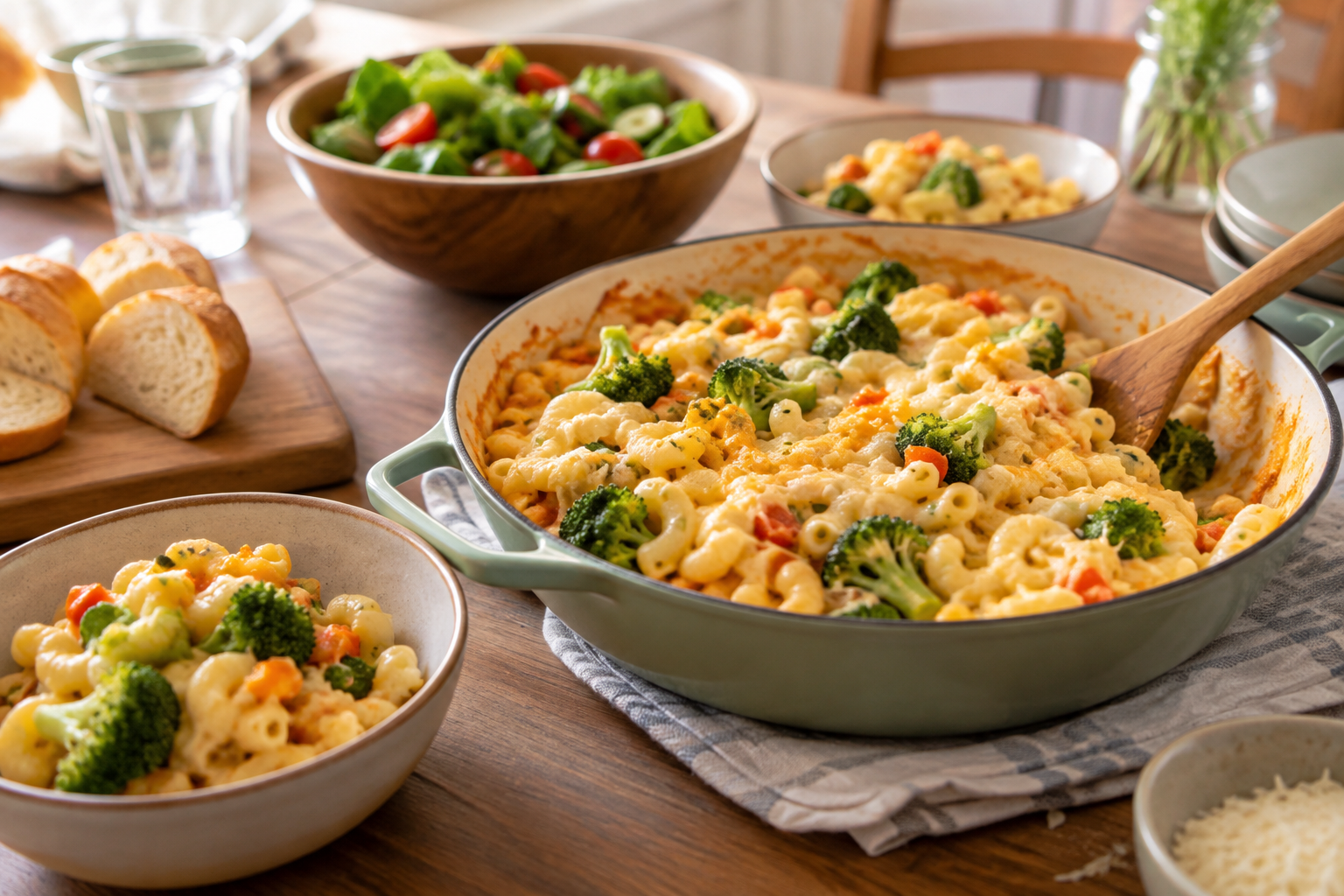
A quesadilla filled with black beans, melted cheese and mild salsa is already a vegetarian dinner kids will eat; it does not need a new name or a nutrition lecture.
Meat-free meals work best when they keep the parts children already recognise. Start with pasta, tacos, fried rice or quesadillas. Keep the seasoning familiar. Put filling foods on the plate. Let everyone assemble some of their own meal when that helps.
Two meatless dinners a week can also be a practical grocery-saving goal. Beans, eggs and tofu can stretch a meal without requiring a complete change to your family’s routine. The trick is not announcing a “vegetarian night”. Just serve dinner.
Start with the meal, not the substitute
A common mistake is to build dinner around replacing meat exactly. That can make a meal feel like a disappointing copy of something else. Instead, start with a format your children already accept.
- Pasta becomes tomato pasta with white beans, lentil sauce or peas.
- Tacos become bean, egg or tofu tacos with the usual toppings.
- Fried rice gets scrambled egg, edamame, peas or small cubes of tofu.
- Quesadillas get black beans, refried beans, cheese and corn.
- Baked potatoes get beans, cheese, yoghurt or a mild vegetable topping.
The familiar shape matters. A child who refuses a bowl of seasoned tofu may happily eat tofu in a quesadilla or fried rice. A child who pushes beans around the plate may accept them mashed into a taco filling.
You do not need to hide every ingredient. You do need to make the meal easy to understand.
Five reliable meatless dinner formats
1. Pasta with a filling sauce
Pasta is an easy starting point because the texture and shape are already familiar. Add a protein to the sauce rather than serving it separately.
Try tomato sauce with red lentils, blended white beans or finely chopped mushrooms. Add grated cheese if your family likes it. Frozen peas can go straight into the pot near the end of cooking.
For a smoother sauce, blend cooked beans with tomato sauce and a little pasta water. For a chunkier meal, stir in rinsed canned beans after the sauce is hot.
Serve fruit or cucumber on the side. You do not need a second cooked vegetable unless your family wants one.
2. Tacos with a build-your-own plate
Tacos make meatless dinners feel flexible. Put the components on the table and let each person choose.
Use seasoned black beans, pinto beans, lentils, scrambled eggs or crumbled tofu. Add tortillas, shredded cheese, lettuce, corn, avocado, plain yoghurt and salsa. Keep the salsa mild if that is what your household prefers, and put hot sauce on the table for adults.
For younger children, serve the same ingredients deconstructed. A tortilla strip, a spoonful of beans, cheese and corn still count as the same dinner.
3. Fried rice that does real work
Fried rice is a useful way to turn leftover rice and small amounts of vegetables into a complete meal. Cold cooked rice works well, but fresh rice can be spread on a plate briefly so it is less sticky.
Scramble eggs in the pan first and set them aside. Cook the vegetables, then add rice, soy sauce or another familiar savoury sauce, and return the eggs. Stir in edamame, cubed tofu or a drained can of chickpeas if your family accepts them.
Keep the vegetable pieces small and separate anything likely to be rejected. A side of sliced fruit can make the plate feel more generous without another recipe.
4. Quesadillas with a dependable filling
Quesadillas are quick, portable and easy to portion. Use cheese as the familiar anchor, then add black beans, mashed kidney beans, corn or finely chopped peppers.
Mash the beans with a fork and season lightly. Spread the mixture thinly so the texture does not dominate. Cook until the tortilla is crisp and the filling is hot, then cut into triangles.
Serve with salsa, sour cream or plain yoghurt for dipping. Add carrot sticks, cucumber or fruit if your children like a dip-and-crunch plate.
5. Egg-based dinners
Eggs can carry a meal without much preparation. Try omelettes with cheese, egg fried rice, baked eggs in tomato sauce or scrambled eggs with toast and roasted potatoes.
For a family with different preferences, keep the eggs plain and add toppings separately. Grated cheese, avocado, salsa and leftover roasted vegetables can sit on the table instead of being mixed into every portion.
Eggs are also useful for turning leftovers into dinner. Add them to cooked potatoes, rice or noodles rather than starting from scratch.
Make the plate filling enough
A meatless meal can fail simply because it is too small or too light. Children may not need adult-sized portions, but they still need enough food to feel satisfied.
Build the plate around three jobs:
- A main protein: beans, lentils, eggs, tofu, edamame, cheese or yoghurt.
- A familiar carbohydrate: pasta, rice, potatoes, bread, tortillas or noodles.
- A fruit or vegetable: raw, cooked, frozen or blended into the meal.
You do not need perfect balance at every sitting. Across the week matters more than one plate. But a dinner made only of vegetables is unlikely to carry a hungry child through the evening.
Offer seconds of the main meal when available. Put one safe, familiar item on the plate. That might be rice, bread, pasta, cheese or fruit. This is not catering a separate dinner. It is making the meal approachable.
Use portions that match the child
Large portions can make unfamiliar food look like a challenge. Start with a small spoonful of the new or less-loved item beside a reasonable serving of the familiar food.
A child who eats the pasta but ignores the lentils has still had an opportunity to see the lentils. Next time, change the format rather than arguing. Try the same lentils mashed into sauce or tucked into a quesadilla.
Keep leftovers available when practical, but avoid turning them into a reward or punishment. A calm “You can have more rice or beans if you are still hungry” is enough.
For older children, invite useful choices: corn or cucumber, rice or tortillas, mild salsa or plain yoghurt. Small decisions can make dinner feel less imposed without creating a custom menu.
Plan the grocery shop around overlap
Meatless meals are easier on the budget when ingredients appear in more than one dinner. A can of black beans can fill tacos one night and quesadillas later. Eggs can cover fried rice, breakfast-for-dinner and a quick lunch. A bag of frozen peas can go into pasta, rice and soup.
Before shopping, choose two meat-free formats and check what is already in the cupboard. Then buy only the pieces that connect the meals.
A practical list might include:
- Pasta, rice, potatoes or tortillas.
- Canned beans or dried lentils.
- Eggs or a block of firm tofu.
- One or two frozen vegetables.
- Cheese or plain yoghurt.
- Fruit and a few raw vegetables for easy sides.
- Familiar sauces and seasonings.
Canadian stores and flyers vary by province, city and community. A product that is a sensible buy at No Frills, FreshCo, Food Basics, Super C, Giant Tiger, Costco or a local independent shop may not be the best choice elsewhere. Check your own store’s current flyer, package size and rules before assuming a deal is worthwhile.
Most supermarket flyers turn over on Thursday, so that can be a useful point in the week to review what is on sale. It is not a reason to visit several stores unless the trip actually saves time and money for your household.
Keep the routine quiet
The more attention you draw to meat-free dinners, the more likely they are to feel like a test. Serve the tacos as tacos. Let the pasta be pasta. Put the beans, eggs or tofu into a familiar format and keep the rest of the meal relaxed.
Repeat meals that work. Children often need repeated exposure before a new ingredient feels ordinary, and parents need recipes that do not create extra work. A short list of dependable dinners beats a weekly search for something completely new.
Choose two nights, use familiar formats, include enough carbohydrate and protein, and let the sides do some of the work. For a budget-aware week built around your household, stores and local flyer options, CartBrain can help plan the meals and organise the grocery list.