 Cart
CartIs Shopping at Multiple Grocery Stores Actually Worth It?
Two stores can lower the grocery bill, but only when the flyer gap beats the cost of extra driving, time and temptation.
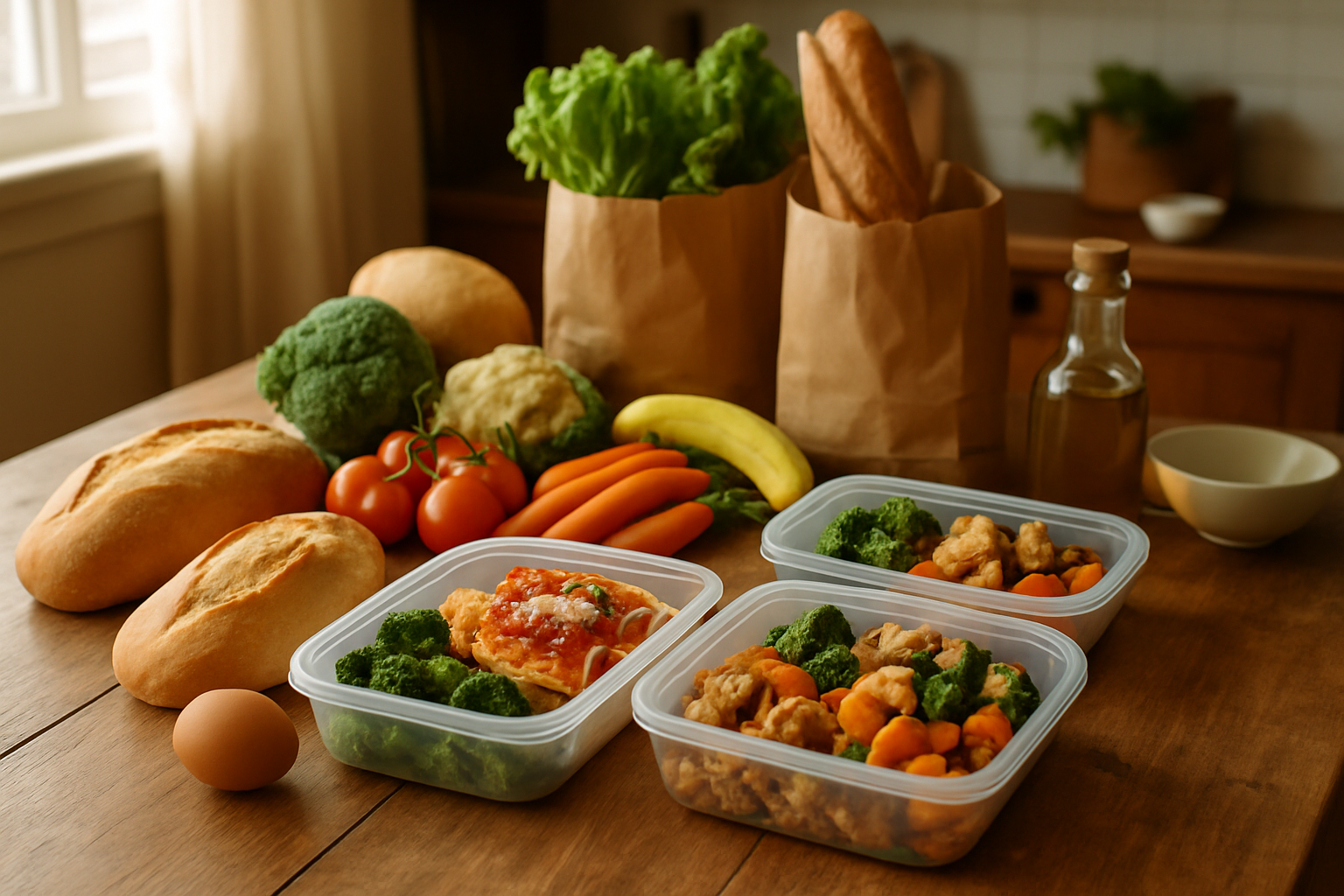
A flyer deal on chicken at one store and a cheaper pantry shelf at another can turn one grocery trip into a small driving tour. Shopping at multiple grocery stores worth it depends on whether the savings survive the fuel, time and extra impulse buys.
The honest answer is not always “yes” or “no”. Sometimes a second stop makes sense. Sometimes it costs more than buying everything at the first store and getting home.
Start with the real cost of a second store
The shelf-price difference is only one part of the calculation. Before adding another stop, count the costs that do not appear on the receipt.
- Fuel: A separate trip uses fuel. Even if the second store is close, the extra distance matters over several weeks.
- Time: Include driving, parking, walking in, shopping, checkout and loading the car.
- Mental effort: A second store means another list, another layout and another chance to forget what you already bought.
- Impulse buys: More time in stores creates more opportunities for snacks, seasonal items, drinks and “might as well” purchases.
- Pickup or delivery fees: If you use an order service, a second retailer may add another fee or minimum-order problem.
- Food waste: A deal is not a saving if extra produce, dairy or meat sits unused.
You do not need perfect accounting. A rough comparison is enough. Ask: “What will I likely save at store two, and what will this stop probably cost me?”
If the answer is a small saving for a separate trip, skip it. Convenience has value, especially when the alternative is another half-hour squeezed into a crowded week.
When the flyer gap can justify the trip
A second store is more likely to be worth it when the price difference is large, the item is already on your list and the store is on a route you are already taking.
The strongest case is usually a high-cost item that anchors several meals. Think of a roast, a large pack of chicken, ground meat, coffee, cheese or a family-size package you know you will use. A meaningful discount on one of these can affect the whole week’s plan.
The case is weaker for small differences on low-cost items. Driving across town for a slightly cheaper tin of tomatoes rarely works once you count time and fuel. It also encourages a dangerous habit: chasing every deal instead of buying what your household actually needs.
Use these questions before leaving for store two:
- Is the sale item definitely available, or will the trip depend on a deal that may be sold out?
- Would I buy this item at the regular store anyway?
- Can I combine the stop with school pickup, work, an appointment or another errand?
- Will the item create several meals, or is it just one small discount?
- Can I keep the second stop to a short, controlled list?
Check the current flyer and store rules before you go. Flyers turn over frequently, and promotions, stock and price-matching policies can differ by location. In Canada, many supermarket flyers change on Thursday, but your local timing and offers may vary.
The two-store rhythm that usually works best
The practical version of multi-store shopping is not visiting every retailer with a flyer. It is choosing two clear jobs.
Store one: sale-anchored dinners.
Choose the store with the best current offers on the main proteins, vegetables or other ingredients that shape the week’s suppers. Build meals around those items rather than forcing a favourite recipe to fit a sale.
For example, if one store has a useful offer on chicken, plan a couple of dinners that use it in different ways. If another week’s best offer is ground meat, use it for tacos, pasta sauce or meatballs. The goal is to use the deal fully, not collect random bargains.
Store two: staples and dependable basics.
Use the second store for the items your household buys regularly: oats, rice, pasta, flour, canned goods, lunch snacks, milk, eggs or cleaning supplies. Choose this store because it is nearby, fits your route or has a consistently useful range of basics—not because one small item is cheaper there.
This division keeps the plan simple. One store drives the week’s meals. The other fills the gaps.
The two stores do not need to be the same pair every week. A household in Toronto may compare Loblaws and No Frills. Someone in Atlantic Canada may use Atlantic Superstore or a local independent grocer. A family in Quebec may compare Maxi, Super C, Metro or IGA. In other regions, Sobeys, FreshCo, Save-On-Foods, Co-op, Giant Tiger, Bulk Barn or Costco may fit better. Prices, selection and travel distances vary widely between provinces, cities, smaller communities and the North.
Pick the combination that works for your actual route and household. A theoretically cheaper store that is inconvenient every week may not be the better choice.
Set a hard limit before you leave
The easiest way to end up at three stores is to make each stop feel almost free. It is not. Every extra stop adds friction.
Set a two-store rule for the week. If an item is unavailable, substitute it, remove it from the plan or buy it at the first store unless it is genuinely important. Do not automatically add a third stop because another flyer has a tempting offer.
A third store can make sense for a specific bulk purchase or a planned specialty item. It should not become the default for ordinary groceries.
Use a short second-store list. Group it by section or aisle so you are not wandering. Decide in advance which items are optional. If the store is busy, parking is difficult or the key sale item is gone, leave with the list intact—or leave without shopping there.
That sounds strict because it is. Savings quietly disappear when the second visit becomes a full shop.
Watch the impulse-buy trap
The second store is not just another checkout. It is another sales environment.
A deal on pasta can lead to sauce, garlic bread, dessert and a drink. A trip for chicken can turn into extra snacks for the weekend. None of those items is automatically bad, but they belong in the calculation.
Try these controls:
- Eat before shopping when possible.
- Take only the payment method or budget you planned to use.
- Keep the second list visible and short.
- Do not browse aisles that are not on the list.
- Decide your weekly snack and treat budget before entering.
- Skip a deal if you would not have bought the item without the promotion.
The point is not to shop with zero flexibility. It is to make the extra spending visible.
Make the comparison against your actual week
Do not compare two stores using a fantasy basket. Compare the food your household will eat over the next seven days.
Write down the dinners, breakfasts, packed food and household basics you actually need. Then mark which items are worth travelling for. A flyer can look impressive while offering savings on foods your family does not use.
Also consider package size. A lower price per package may not help if the larger pack goes stale or takes up freezer space you do not have. Compare the amount you will use, not just the sticker price.
If a store has a sale on several ingredients that fit your existing plan, the second stop may earn its place. If it requires rebuilding the menu, buying extra storage food or adding a long detour, the first store is probably the better choice.
The bottom line
Shopping at multiple grocery stores can be worth it when one nearby stop covers the week’s sale-anchored meals and a second stop handles staples. It usually fails when the savings are small, the route is inconvenient or the extra visit turns into a full shop.
Try the two-store rhythm for a few weeks. Track the total receipt cost, travel and time, then adjust based on your household—not a perfect flyer basket. A weekly meal planner such as CartBrain can help organise sale-based dinners, store choices and a split grocery list; the weekly meal planner is free to start, with a full first week free and no card required.