 Cart
CartHow to Make One Big Grocery Trip Feed Your Family for 14 Days
A two-week shop works when you plan food by its lifespan, not just by the meals you want to cook.
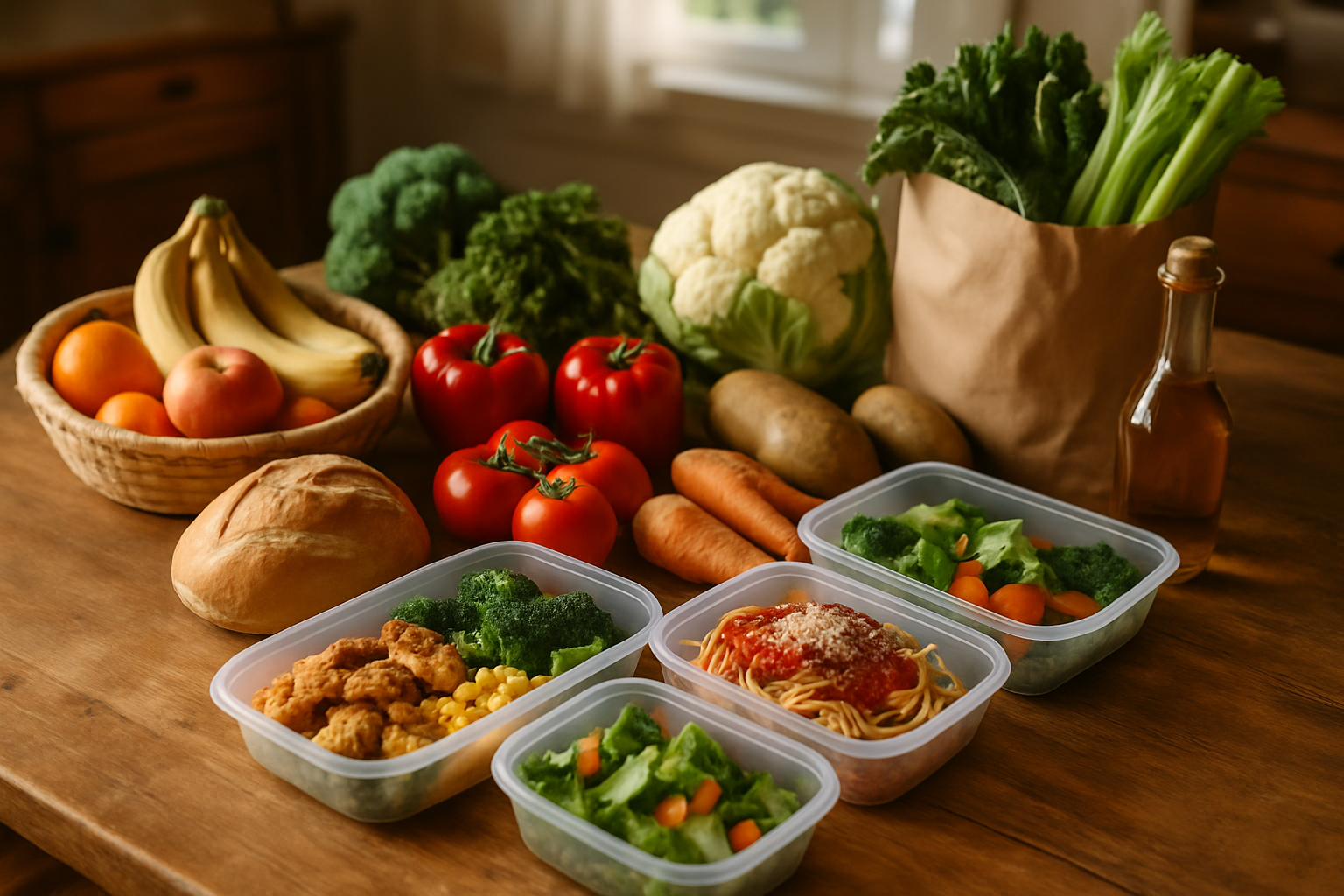
A two week grocery haul is not just a larger version of your usual shop. It is a food-timing problem: berries and salad greens need to work hard in week one, while cabbage, carrots, frozen vegetables, and pantry meals carry more of week two.
Whether you shop around a paycheque cycle, drive a long way to town, or simply do not want another supermarket trip, the system can work. But you need to plan in sequence. Buying fourteen days of food without assigning it a place in the calendar usually leaves you with limp produce, missing ingredients, and a desperate top-up trip.
Start with the calendar, not the shopping list
Choose the fourteen-day stretch first. Mark school nights, work-heavy days, appointments, sports, and any evening when cooking will be difficult. Then decide which meals deserve fresh ingredients and which meals can rely on the freezer or pantry.
Do not plan fourteen brand-new recipes. That creates too much chopping, too many unfamiliar ingredients, and too many chances for food to be forgotten. Build a repeatable mix instead:
- A few quick meals for busy nights.
- Several family favourites that use familiar ingredients.
- At least two freezer-based meals.
- One or two pantry dinners for the end of the second week.
- Flexible leftovers that can become lunches or a second supper.
Look at the whole fortnight before buying anything. If the first week contains pasta, tacos, stir-fry, and soup, check whether the second week can reuse the same onions, carrots, cheese, tortillas, rice, or canned tomatoes. Shared ingredients reduce waste and make the list easier to manage.
Also check what you already have. A two-week shop fails quickly when it starts with three open bags of rice, a freezer full of mystery containers, and no room for the food you actually need.
Divide food by how long it will last
The simplest way to plan a 14-day shop is to sort ingredients into three groups: eat first, eat later, and freeze.
Eat first
These foods are best used during the first several days, depending on their condition and how they are stored:
- Berries and other delicate fruit.
- Bagged salad and tender greens.
- Fresh herbs.
- Very ripe bananas or avocados.
- Soft bakery items.
- Fresh fish and other highly perishable proteins.
- Cut fruit and prepared vegetables.
Put these meals near the start of the plan. If you buy herbs for one recipe, schedule that recipe early instead of hoping the herbs will survive until the end of the fortnight.
Buy delicate produce in quantities your family can realistically eat. A large package is not a bargain if half of it becomes compost.
Eat later
Hardier foods can carry the second week more comfortably:
- Cabbage, carrots, turnips, and beets.
- Apples, oranges, and other sturdier fruit.
- Onions, garlic, and potatoes stored properly.
- Eggs, yogurt, and firm cheese within their package dates.
- Canned beans, tomatoes, tuna, and soup ingredients.
- Dried pasta, rice, oats, and other grains.
Keep the longest-lasting ingredients for the meals you have scheduled later. That is the part many people miss. The second week should not be an accidental collection of leftovers. It needs its own meals.
Freeze
Treat the freezer as the second half of your fridge. It is not only for emergency pizza or forgotten meat.
Freeze suitable proteins in meal-sized portions. Label them with the item and date. If something needs to thaw, move it to the fridge with enough notice. Freeze bread, wraps, grated cheese, sliced fruit for smoothies, and some vegetables when it makes sense for your household.
Cook and freeze part of a batch when you have the energy. Chilli, soup, meatballs, cooked grains, pasta sauce, and casseroles can turn week two into a much easier stretch. Cool cooked food promptly, use shallow containers where practical, and follow safe food-storage guidance for your refrigerator and freezer.
Build the meal plan in two halves
Week one should use the foods that are most fragile. Week two should lean more heavily on hardy produce, frozen ingredients, and pantry staples.
A simple sequence might look like this:
- Start with a fresh meal using fish, tender greens, or delicate produce.
- Use leftover cooked protein in wraps, bowls, or lunches.
- Plan a freezer meal on the busiest night.
- Use hardy vegetables in a roast, soup, tray bake, or stew.
- Schedule a flexible dinner that can absorb odds and ends.
- Finish with a pantry meal supported by frozen vegetables or a labelled freezer portion.
This sequence is more useful than assigning every day a complicated recipe. Give each day a meal, but also give each meal a job. Some meals should use fresh food quickly. Some should protect you from cooking from scratch. Some should clear leftovers before they become a problem.
Plan leftovers deliberately. If Monday’s roast chicken is meant to become Wednesday’s quesadillas, reserve the right amount before everyone starts picking at it. If soup is intended for week two, freeze it instead of leaving it in the fridge to compete with newer food.
Keep the mid-cycle top-up on a short leash
A small middle-of-the-cycle trip can make a two-week shop much more realistic. It is not a second full shop. It is a controlled milk-and-produce run.
Before you leave, write a short list based on what actually ran out. A useful top-up might include milk, bananas, salad greens, or one fresh item needed for a planned meal. It should not become a chance to restart the entire shop.
Use clear rules:
- Check the fridge, freezer, and pantry first.
- Set a maximum number of items.
- Buy only food assigned to a specific meal or breakfast need.
- Do not browse hungry.
- Skip “just in case” items unless they are part of your household’s regular emergency plan.
- Reconcile the list with the remaining meals before buying.
Some households cannot make a top-up at all. That is fine. In that case, buy more freezer vegetables, choose fruit that ripens at different speeds, and include shelf-stable breakfasts and lunches. Households in rural, northern, or remote areas may need a different balance from someone living close to several stores. The best system is the one your route and storage space can support.
Shop the list in storage order
A long list becomes easier when it follows the way food enters your kitchen. Group items by section, then mark where each item will live and when it will be used.
You might sort the list into:
- Produce for the first week.
- Produce for the second week.
- Fridge proteins and dairy.
- Freezer items.
- Pantry staples.
- Household basics.
When you unpack, do not put everything away randomly. Keep week-one produce visible. Move week-two items to the proper storage area. Freeze what needs freezing that day. Portion large packs before they disappear into the freezer as one solid block.
Use the store layout that applies to your own shop. A No Frills, FreshCo, Food Basics, Maxi, Super C, IGA, Save-On-Foods, Co-op, Costco, Bulk Barn, or independent grocer may have a different layout and different value for your household. Flyers and product availability vary by province, city, and town. Check your local store’s current rules and selection rather than assuming every banner works the same way.
Many Canadian supermarket flyers turn over on Thursday, but your own shopping day may be different. Build the routine around your pay cycle, travel, and storage capacity—not around someone else’s perfect schedule.
Protect week two from food boredom
The second week is where the plan earns its keep. If every meal feels like the same leftovers, someone will suggest ordering food or making another shop before the fourteen days are finished.
Change the format of shared ingredients. Turn cooked chicken into sandwiches, soup, rice bowls, or tacos. Use roasted vegetables in a frittata or pasta. Serve a freezer chilli with rice one night and baked potatoes another. Keep toppings separate so family members can assemble meals they will actually eat.
Include one low-effort meal for the night when everyone is tired. That could be eggs and toast, frozen portions with vegetables, grilled cheese and soup, or another dependable option. A plan that requires maximum energy every night is not a plan; it is a future argument.
Keep one or two flexible meals unassigned. They give you room when plans change, food ripens faster than expected, or a child refuses the meal you planned. Flexibility is not wasted space in the calendar. It is what stops a small disruption from wrecking the whole shop.
Review before the next big shop
At the end of the fortnight, note what ran out early, what was still untouched, and what spoiled. Do not treat this as a personal failure. It is useful information.
If milk disappeared faster than expected, adjust the next plan. If a large produce package was too much, buy less or split it between fresh and frozen. If week two lacked easy meals, add another freezer portion or pantry dinner. If you made an unnecessary top-up, identify which item triggered it.
A good two week grocery haul is not about buying the maximum amount at once. It is about matching food to time, storage, appetite, and real family life. Start with the meals, protect the fragile ingredients, and make the freezer do its share.
For a faster way to map a full Monday-to-Sunday plan around your household, budget, chosen stores, and local Canadian or US flyer options, CartBrain can help you build the list and keep the two-week goal visible while you shop.