 Cart
CartHow to Grocery Shop Every Two Weeks and Still Eat Fresh Food
Shop once, use fragile produce first, and let the freezer and pantry carry the second week without turning supper into a compromise.
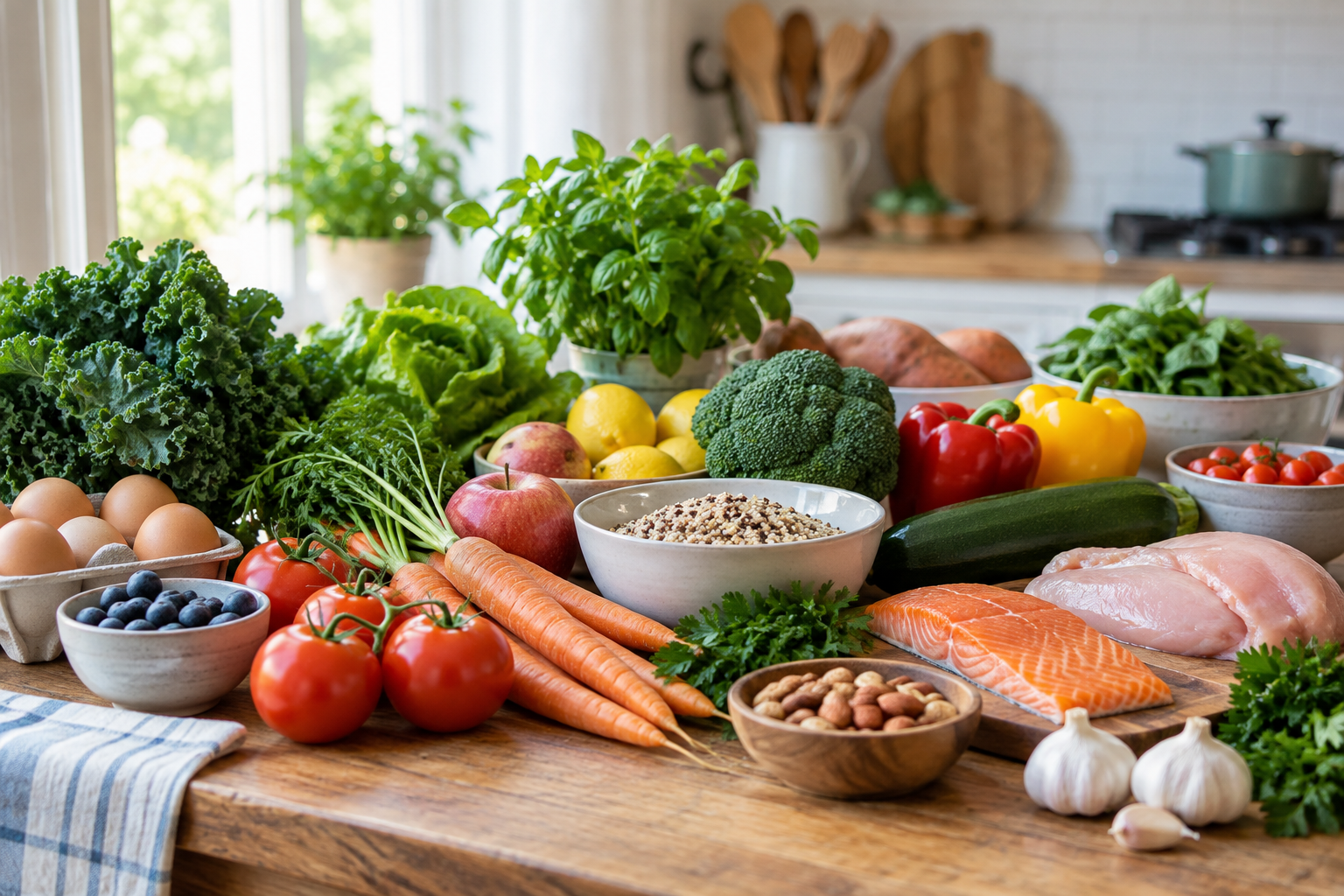
A two-week grocery basket needs two different menus: one for crisp produce now, and one for freezer and pantry food later. Shop with that order in mind, and fewer store trips can mean fewer impulse buys, less driving, and less food going soft in the fridge.
The trick is not buying every fresh item in double quantities. It is choosing food that keeps, planning meals around its shelf life, and accepting that a small milk stop can sometimes be smarter than a second full shop.
Start with the two-week split
Treat the fortnight as two short food cycles, not one giant weekly shop.
Week one should use the foods that are most perishable:
- Salad greens and fresh herbs
- Berries and other soft fruit
- Fresh fish and seafood
- Soft tomatoes and ripe avocados
- Fresh bread and bakery items
- Yogurt, cottage cheese, and other foods your household finishes quickly
Week two should lean more heavily on:
- Frozen vegetables and fruit
- Frozen meat, fish, or prepared components
- Eggs and harder cheeses
- Root vegetables and cabbage
- Apples and citrus
- Canned tomatoes, beans, tuna, and soup ingredients
- Rice, pasta, oats, tortillas, and other pantry staples
You do not need to eat frozen food exclusively in week two. You are simply giving the fragile items a job before they become a science experiment at the back of the crisper.
Before shopping, check what is already in the freezer, fridge, and pantry. Build the plan around those ingredients first. A half-used bag of rice, frozen peas, or can of chickpeas can become the base of a meal instead of another item on the receipt.
Choose produce that can handle the wait
Some produce is built for a longer stretch. Some is not.
Good choices for a two-week shop include:
- Carrots
- Cabbage
- Apples
- Oranges, grapefruit, and other citrus
- Winter squash
- Onions and garlic
- Potatoes and sweet potatoes
- Beets
- Parsnips
These items still need sensible storage, but they generally give you more flexibility than delicate greens or berries. Keep potatoes, onions, and squash in a cool, dry, dark place where possible. Store apples away from produce that you want to keep firm, since apples can speed up ripening nearby. Follow the storage instructions for the specific food, and do not cram everything into one drawer.
Cabbage is especially useful because it can move through several meals without feeling repetitive. Use it raw in slaw, sauté it with sausage or beans, add it to soup, or roast wedges as a side. Carrots can go into lunch containers, stir-fries, soups, roasted trays, or a quick grated salad.
Citrus works in breakfast, dressings, marinades, and snacks. Squash can be roasted early, then added to grain bowls, pasta, soup, or tacos later. The more jobs an ingredient can do, the easier it is to use the whole item.
Know what will not last two weeks
Do not plan a full fortnight around fresh food that wilts, bruises, or moulds quickly. Common short-life items include:
- Bagged salad greens
- Fresh berries
- Raspberries and blackberries in particular
- Fresh herbs such as coriander and basil
- Bean sprouts
- Very ripe bananas
- Cut fruit and cut vegetables
- Fresh bakery bread
- Delicate mushrooms
You can still buy these foods. Just assign them to the first few days, or buy frozen, canned, dried, or longer-lasting alternatives for the second week.
For example, use spinach in an early-week omelette or pasta. Save frozen spinach for a later soup or curry. Buy one fresh loaf for the first meals, then freeze part of it immediately in slices. Keep tortillas, naan, or another freezer-friendly bread for the second week.
The same principle applies to protein. Fresh chicken or fish may belong near the start of the plan, while frozen portions, eggs, canned fish, beans, and lentils carry later meals. If you buy fresh meat, divide it into meal-sized portions and freeze what you will not use soon. Label it with the contents and date so it does not become an anonymous block of ice.
Build the menu in shelf-life order
The plan should tell you what to eat first. Do not make the shopping list and the meal plan separately.
A simple structure looks like this:
- Plan the first few meals around fresh fish, delicate produce, and opened dairy.
- Plan the rest of week one around fresh meat, eggs, greens, and softer vegetables.
- Start week two with meals using cabbage, carrots, apples, citrus, and other sturdy produce.
- Finish with freezer and pantry meals that can wait if plans change.
- Keep one or two flexible meals for leftovers and unexpected nights.
A two-week plan needs room for real life. A roast may create sandwiches, soup, or fried rice. A tray of roasted vegetables can become a filling for wraps or a topping for grain bowls. Cook a few versatile components rather than preparing fourteen separate recipes.
Choose meals with overlapping ingredients, but do not force every item into every dish. One cabbage can support slaw, soup, and a stir-fry. One package of tortillas can cover quesadillas, wraps, and freezer burritos. One batch of tomato sauce can serve pasta, shakshuka, pizza toast, or a bean stew.
Mark the meals that use food with the shortest shelf life. Put those first on the calendar. If a plan changes, move a pantry or freezer meal into that space instead of pushing a fragile ingredient further into the fortnight.
Store food for the second week
Storage is part of the shopping plan.
Freeze bread, meat, grated cheese, cooked grains, and suitable leftovers in portions your household can actually use. Flatten soups, sauces, and stews in freezer bags or shallow containers so they freeze and thaw more efficiently. Label everything clearly.
Keep an eye on your fridge temperature and use clean, dry containers for washed produce. Do not wash every berry or leafy vegetable as soon as you get home if that makes it spoil faster. Wash what you need, and store the rest according to the food’s needs.
Use the front of the fridge for food that needs attention soon. Put longer-lasting items where they will not be knocked around. A small “eat first” box can prevent forgotten yoghurt, cheese, cooked food, and cut vegetables from disappearing behind the condiments.
Check food quality before eating it. A use-by or best-before label is not a substitute for looking, smelling, and using safe food-handling judgment. When in doubt, discard it.
When a five-minute milk stop is sensible
Every-two-week shopping does not have to mean refusing every small top-up. A quick milk stop is reasonable when your household will otherwise lose access to a basic ingredient, especially if the alternative is a full shop that invites extra purchases.
The same can apply to a very specific staple your family uses daily. Buy only that item, or use a short list on your phone. Do not turn the stop into a browse through seasonal displays, snacks, and “just in case” ingredients.
A milk stop is less useful when it becomes a regular mid-cycle shop for forgotten produce, treats, and extra dinners. If the same item keeps running out, adjust the next two-week plan. Add a backup option, buy a different size, or plan a freezer substitute.
Also check whether your chosen milk can be stored for the full stretch. Household size, preferred type, fridge space, and local packaging all matter. There is no prize for avoiding a small top-up if the plan makes family meals harder.
Make the shop fit your local reality
Canadian households do not all shop the same way. A family in a large city may split a shop between No Frills, FreshCo, Food Basics, Maxi, or Costco. Another household may rely on IGA, Co-op, Save-On-Foods, Atlantic Superstore, Giant Tiger, Bulk Barn, or one local store because distance and selection make several stops impractical.
Flyers also change by region, and many supermarket flyers turn over on Thursday. Check your own stores, package sizes, storage space, and travel distance. A deal is not useful if it creates waste or requires an extra drive across town.
Plan substitutions before you shop. If fresh broccoli is expensive or unavailable, use frozen broccoli. If berries are poor quality, choose apples or citrus. If one store has the best price but is far away, compare the full trip rather than one item.
A two-week shop works best when the list reflects how your household actually eats. Count breakfasts, school or work lunches, snacks, drinks, and weekend meals. Do not rely on heroic leftovers that nobody wants.
If you want help turning your budget, chosen stores, local flyers, and household preferences into a two-week meal and grocery plan, CartBrain is available on the web, iPhone, and Android; new accounts get a full first week free with no card.