 Cart
CartSlow-Cooker Dump Meals for Cheap, Hands-Off Family Dinners
Build three freezer bags, use affordable cuts and stretch each slow-cooker meal into supper plus easy lunches.
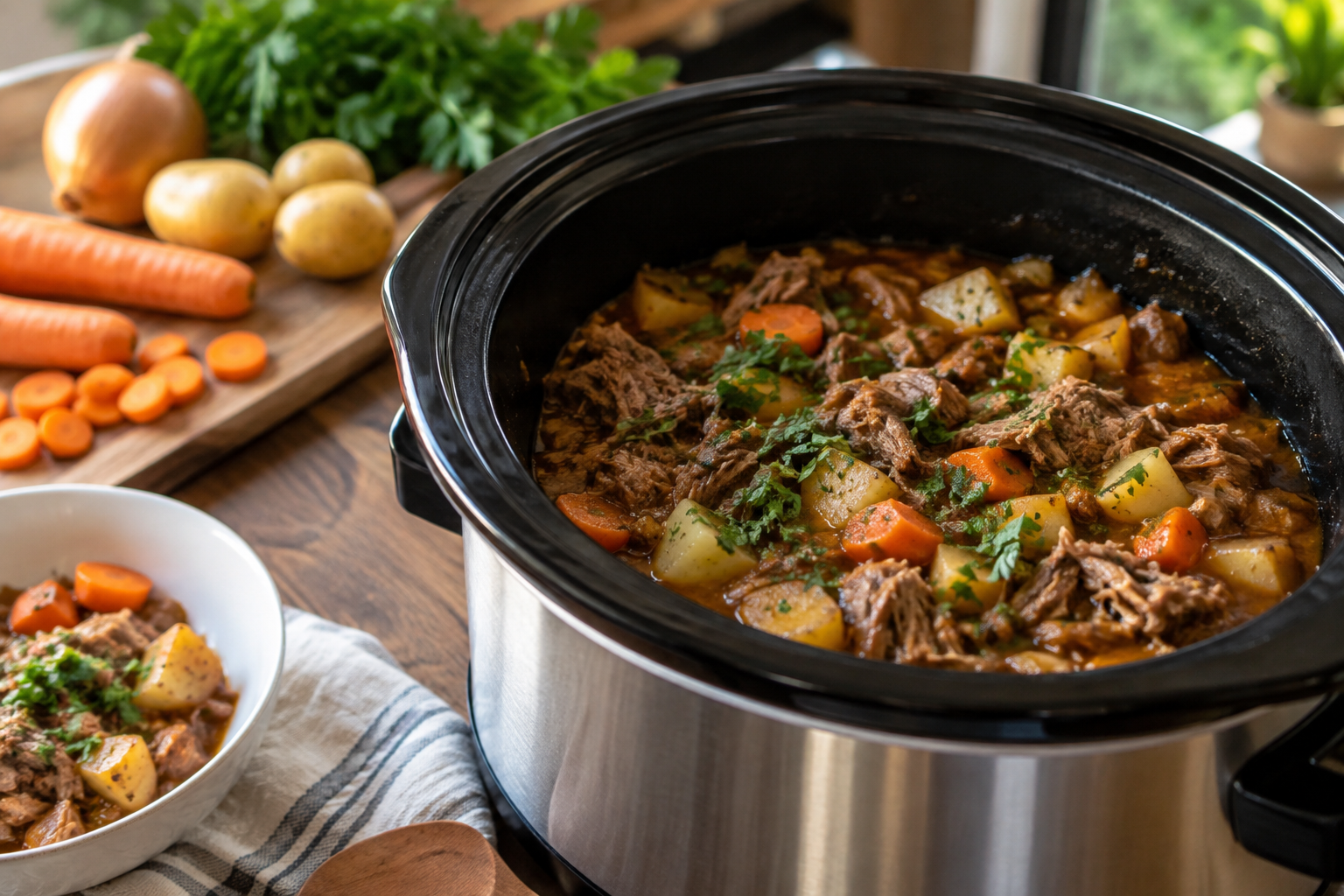
A freezer bag filled with chicken thighs, carrots, onions and sauce can become dinner without a second pan, a recipe hunt or much stirring. That is the appeal of cheap slow cooker dump meals: do the small bit of work before the week gets loud, then let the cooker handle supper.
The best versions are not fancy. They use affordable cuts, sturdy vegetables and pantry staples that can stretch across several plates. With a little planning, one batch can cover dinner and a few lunches without making the same meal feel like a punishment.
What makes a good dump meal?
A dump meal has three jobs:
- It needs to tolerate a long, slow cook.
- It should use ingredients that are easy to find and store.
- It should finish as a complete meal, not just a pot of meat that still needs several side dishes.
Start with one main ingredient, two or three vegetables, a flavour base and enough liquid to prevent scorching. Do not fill the cooker to the brim. Follow your appliance manual for minimum and maximum fill levels, and use the cooking setting recommended for the recipe.
Many slow-cooker meals work well on low for the day, but cooking times vary by appliance, cut size and recipe. Meat should reach a safe internal temperature. A food thermometer removes the guesswork, especially when you are cooking large pieces or adapting a recipe.
If you assemble freezer bags ahead of time, thaw them in the refrigerator before cooking. Do not put a solidly frozen bag of raw meat straight into the slow cooker unless your appliance and recipe specifically say it is safe. Food safety is worth the extra planning.
Choose cuts that improve with a long cook
The cheapest-looking cut is not always the best buy if it dries out or needs extra work. Look for cuts with enough connective tissue or fat to stay tender during a long cook.
Pork shoulder
Pork shoulder is useful for pulled pork, taco-style filling, sandwiches and rice bowls. Add sliced onion, garlic, a little broth and a sauce or spice blend. Once tender, shred it in the cooker and add the juices back over the meat.
Serve it with buns, tortillas, baked potatoes, rice or cabbage. The same batch can change shape during the week without becoming a completely new recipe.
Chicken thighs
Boneless or bone-in chicken thighs are usually more forgiving than chicken breast in a slow cooker. They work with tomato sauce, coconut milk, salsa, curry spices or a simple broth with herbs.
Add carrots, potatoes or sweet potatoes for a one-pot dinner. If the sauce is thin, remove the lid near the end only if your recipe and appliance instructions allow it, or thicken a portion separately before serving.
Beef chuck
Chuck roast or stewing beef can turn into a rich meal with onions, carrots and potatoes. It is also a good base for shredded beef, sandwiches or a noodle bowl.
Brown the beef first if you have the energy and time. It can add deeper flavour, but it is not the only route to a good dinner. On a very busy week, skip the extra pan and focus on getting the meal into the cooker.
Use beans and lentils to stretch the pot
Beans and lentils are some of the most useful budget ingredients for slow-cooker meals. They add body, fibre and staying power without requiring another expensive main ingredient.
Canned beans are convenient. Rinse them before adding them to the cooker, especially if you want more control over the salt. Add them later in the cook when a recipe calls for a firmer texture, or add them at the beginning when you want them to soften into the sauce.
Dry lentils are handy in soups, stews and tomato-based dishes. They usually need less preparation than dry beans, but check the package and recipe. Pick over dry legumes and rinse them first. Some dry beans require specific preparation and should not be treated like lentils.
Try these combinations:
- Red lentils, canned tomatoes, carrots, onion and curry spices.
- Black beans, corn, peppers, tomatoes and cumin.
- White beans, chicken thighs, kale or cabbage and broth.
- Brown lentils, mushrooms, potatoes and a savoury herb blend.
- Chickpeas, sweet potato, tomatoes and a mild spice mixture.
Serve bean and lentil meals with rice, bread, naan, pasta or a simple side salad. A spoonful of plain yoghurt, shredded cheese or chopped herbs can make leftovers feel more finished.
Three freezer bags for one busy week
The easiest batch-cooking system is to assemble three meals at once. Choose recipes with different flavours so the week does not feel like one long leftover.
Bag one: pulled pork
Add pork shoulder, sliced onion, garlic, paprika, a little broth and a sauce you already use. Label the bag with the meal name, ingredients that still need adding and the intended cooking setting. Thaw it in the refrigerator before cooking.
Serve the first night with potatoes or buns. Later, use the leftovers in quesadillas, wraps or rice bowls with cabbage and a sharp dressing.
Bag two: chicken and vegetables
Add chicken thighs, carrots, potatoes, onion, broth and dried herbs. Keep delicate vegetables, dairy and fresh greens out until serving unless the recipe says otherwise.
Serve it as a stew. The next day, shred the chicken into the broth and add cooked noodles or rice. If the meal needs more volume, add a can of rinsed beans.
Bag three: lentil tomato stew
Combine lentils, canned tomatoes, carrots, onion, broth and spices. Add spinach, kale or frozen vegetables near the end if you want them to keep more texture.
Serve it with toast or rice. Turn the leftovers into a thicker filling for baked potatoes, wraps or a quick shepherd’s-pie-style topping.
Label every bag with the date it was assembled, the cooking instructions and any ingredients to add later. Keep the bags flat in the freezer so they stack neatly and thaw more evenly. Leave room for ingredients to expand as they freeze.
Make leftovers useful, not repetitive
Portion extras while the food is still easy to manage. Do not leave a large pot cooling on the counter for hours. Divide leftovers into shallow containers, refrigerate them promptly and reheat only what you plan to eat.
For lunches, pack the main portion separately from toppings or crunchy additions. Keep tortillas, buns, shredded cheese, chopped herbs, pickles and salad greens separate where possible. This prevents soggy lunches and gives everyone a small choice at the table.
A slow-cooker base can become several different lunches:
- Pulled pork with rice, cabbage and a fried egg.
- Chicken stew tucked into a wrap with greens.
- Lentil stew spooned over toast with grated cheese.
- Beef over noodles with frozen vegetables.
- Beans mixed with rice and rolled into a tortilla.
Use containers that fit your household’s actual portions. Children may need smaller amounts, while a growing teenager may need more than a standard container holds. Pack only what will be eaten. The goal is fewer forgotten leftovers, not a refrigerator full of mystery tubs.
Keep the shopping list cheap and flexible
Build your list around ingredients that can work in more than one meal. Onions, carrots, potatoes, cabbage, canned tomatoes, broth, rice, lentils and beans are useful across many recipes. Buy fresh herbs only when you know they will be used quickly; dried herbs are often more practical for a hands-off week.
Check the flyer for the stores you actually use. Flyer cycles and promotions vary by province, city and store, and many Canadian supermarkets change flyers around Thursday. A discount at a nearby No Frills, FreshCo, Food Basics, Maxi, Super C, Save-On-Foods, Co-op or independent grocer may be more useful than a cheaper item across town once travel is included.
Choose the protein that fits your local options. Pork shoulder, chicken thighs and chuck may not be equally affordable everywhere. In smaller communities and northern areas, availability can be different again. Swap based on what your store has, then adjust the cooking method and liquid for the cut.
A slow cooker cannot fix an overloaded plan. Three well-chosen freezer bags, a short ingredient list and a clear leftover strategy can. For a full week of budget-aware suppers built around your household, chosen stores and local Canadian or US flyers, CartBrain can help plan the meals and sort the grocery list by store and aisle.