 Cart
CartToddler Meals on a Budget Start With the Family Pot
Skip the separate toddler menu: make the family meal work with soft textures, small pieces, less added salt, and one familiar food on the plate.
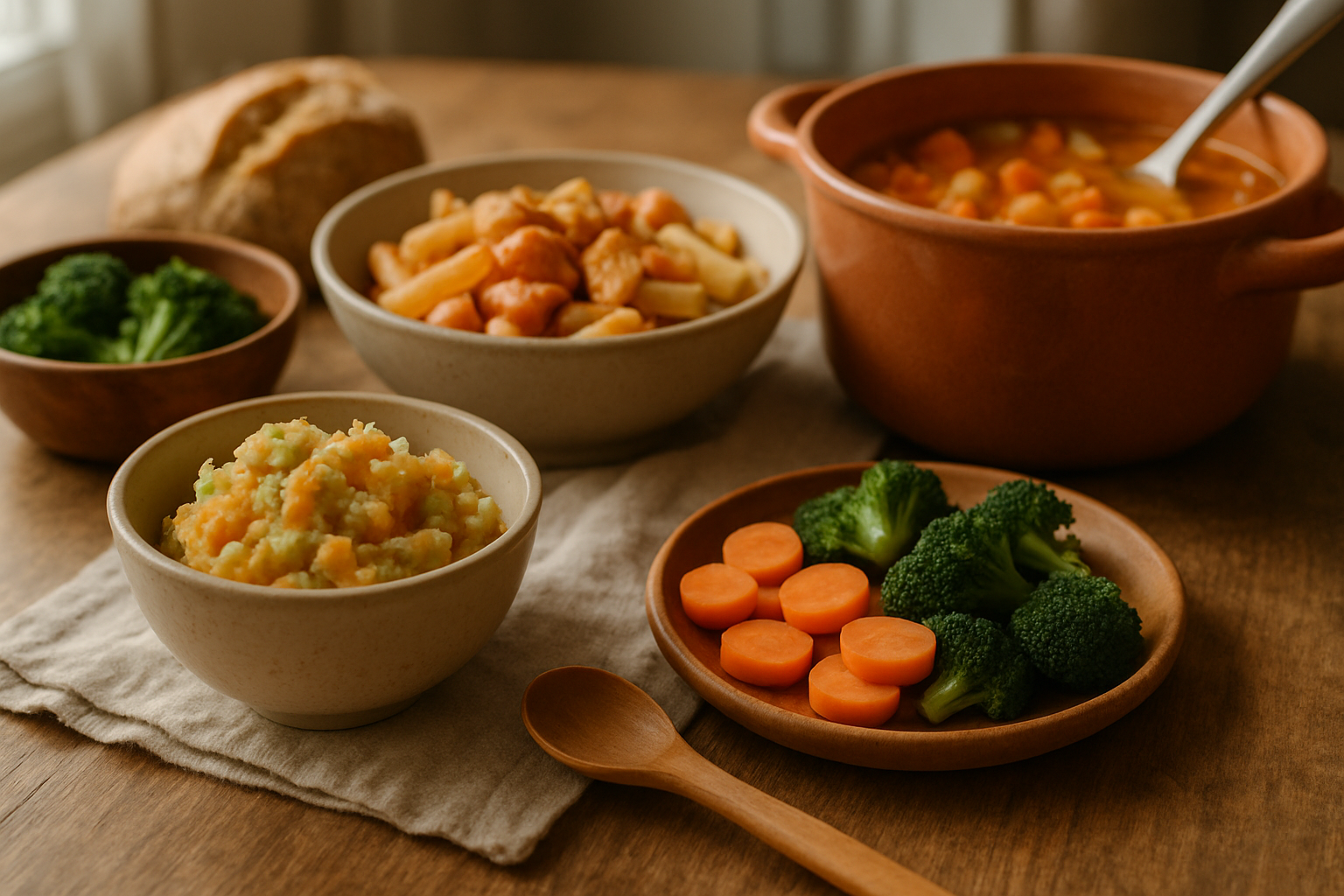
A tiny bowl of mashed carrot can cost more per serving than the carrots already waiting in your family’s soup. That is the trap with feeding a baby or toddler: a small appetite starts to look like a reason for a whole second grocery shop.
Once your child is ready for family foods, most of the meal can usually come from the same pot. You may need to cook it softer, cut it smaller, mash part of it, or leave salt out until serving. That is a grocery strategy, not a shortcut.
This article is about making the family food budget work. It is not medical advice. Follow current public-health guidance and your doctor’s advice for introduction timing, allergens, choking risks, texture, and foods that may not be suitable for your child.
Stop shopping for a separate toddler menu
The most useful question is not, “What special food does the toddler need?” Ask, “What are we already cooking that can be served safely in a toddler-friendly form?”
That shift keeps your list shorter and your fridge more manageable. It also means your child sees ordinary family food instead of a rotating collection of sweet purées and single-use snack packs.
A family meal can often be adapted with small changes:
- Cook vegetables until they are soft enough for your child’s stage.
- Flake fish or shred meat rather than serving large pieces.
- Mash beans, lentils, potato, squash, or cooked vegetables.
- Chop pasta, noodles, cooked greens, and other slippery foods into manageable pieces.
- Set aside the child’s portion before adding salt, stock concentrate, or a strongly seasoned sauce.
- Add adult seasoning at the table, where practical.
You do not need to make the whole dinner bland. You need a way to serve a suitable portion before the ingredients that are less appropriate for your child are mixed in.
Build the plate from what is already cooking
Start with a simple family meal formula: a filling food, a protein food, and a fruit or vegetable. The exact combination will change with your household, budget, culture, and what is available at your local store.
A pot of lentil soup might become soft lentils and vegetables with bread on the side. Roast chicken can be shredded and served with potato and peas. Pasta sauce can be spooned over small pasta shapes, with some of the vegetables mashed into the sauce. A bean and rice dinner can be separated into softer, smaller portions instead of becoming a special child-sized recipe.
This works especially well when you cook flexible meals rather than dinners where every ingredient must stay separate. Soups, stews, curries, pasta sauces, casseroles, omelettes, rice dishes, roasted vegetables, and slow-cooker meals are often easier to adapt.
Some foods will still need a separate preparation step. That is fine. The goal is not zero effort. The goal is avoiding an entirely separate menu and an entirely separate shopping list.
Use the freezer for vegetables you already bought
A toddler may eat only a few spoonfuls of a vegetable while the rest of the family eats a full serving. That does not mean you need miniature packages of every vegetable.
When you are already cooking carrots, peas, squash, sweet potato, broccoli, cauliflower, or other suitable vegetables, set aside a little extra. Mash or finely process it to the texture your child currently manages. Spoon it into small freezer-safe portions, such as silicone moulds or a lined tray, then transfer the frozen pieces to a labelled container or bag.
Label the food and date it. Use clean utensils and follow safe food-storage practices. Thaw portions safely and discard food that has been served and partly eaten rather than returning it to the freezer.
You can use these portions to make a family meal more practical:
- Stir a vegetable portion into rice, pasta, or beans.
- Add it to an omelette or savoury muffin mixture.
- Mix it into a soup after cooling a serving.
- Pair it with a familiar food when the family meal is heavily seasoned.
- Combine two vegetables when you have small leftovers from different meals.
Freezing small portions is most useful when it prevents waste. Do not cook extra food only to create a freezer project you will never use. Save what your family is already preparing.
Put one familiar food beside the new food
A new food can be refused for reasons that have nothing to do with its taste. It may be too wet, too mixed together, too warm, or simply unfamiliar. If the entire plate is new, dinner can become a negotiation before anyone has taken a bite.
Keep one reliable accepted food on the plate beside the newer item. That might be bread, rice, pasta, a familiar fruit, plain yoghurt, or another food your child generally eats. Choose options that fit your child’s stage and your health guidance.
The familiar food is not a bribe. It gives the meal a safe starting point while your child gets used to the new food. It also keeps you from opening a separate package every time the first offering is rejected.
Serve a small amount of the new food. You can offer more if it is eaten. A small portion creates less waste and makes the plate feel less overwhelming. Try the food again on another day without turning it into a test.
Make the adult meal do more work
A few planning habits can make family-pot meals easier without adding another recipe.
Cook a plain portion first. If you are making a tomato sauce, chilli, soup, or stew, remove the child’s portion before adding extra salt, hot spices, or a salty packaged ingredient. Then finish the adult pot.
Choose one adaptable dinner each week. A tray of roasted vegetables, cooked grains, shredded chicken, lentils, or a mild pasta sauce can provide more than one meal. Keep the components separate if that makes toddler portions easier to serve.
Use leftovers on purpose. Leftover rice can become a soft bowl with beans and vegetables. Cooked vegetables can go into eggs, pasta sauce, or a mash. Shredded meat can be mixed with potato, rice, or a mild sauce. Check storage and reheating guidance for the food you are using.
Keep low-effort basics available. Oats, eggs, frozen vegetables, potatoes, rice, pasta, beans, lentils, plain yoghurt, and seasonal fruit can help fill a plate when the main meal is not a good fit. Buy what your household will actually use, not an aspirational list of toddler products.
Plan around the flyer, not around a perfect menu. Sale vegetables, family-sized packs, frozen produce, and versatile staples can shape the week. Compare the usable amount and likely waste, not just the package price. A large pack is not a bargain if half of it spoils.
Keep salt and flavour decisions simple
You can build flavour without making the child’s portion taste like nothing. Use herbs, garlic, onion, lemon, mild spices, unsalted cooking water, and the natural flavour of the ingredients where suitable. Add salt to the adult portions at the end when that works for the recipe.
This also makes the meal easier to adjust for different family preferences. One child may need a plainer portion, while adults can add chilli oil, hot sauce, grated cheese, or extra seasoning at the table.
Read labels on packaged foods such as broth, canned beans, sauces, deli meats, and seasoning blends. Their salt content and ingredients vary by product. Choosing lower-salt or no-salt-added options can help, but do not assume every product with a health-looking label suits your child. Follow guidance from your healthcare provider.
Do not create a grocery category for a strawberry-sized appetite
A toddler’s small appetite does not require a second pantry. Before adding a toddler-specific product, ask three questions:
- Can the family food be prepared in a safe texture and size?
- Will this product replace food already on the list, or add another expense?
- Will the rest of the household eat it if the toddler refuses it?
Sometimes a packaged child food is convenient. Convenience has a place, especially during travel or a difficult week. But it does not need to become the default for every breakfast, lunch, and supper.
The same rule applies to snacks. Offer simple foods your family already buys and prepare them in a form that fits your child’s stage. Keep portions small. Save the rest when safe, or serve it to another family member.
Plan a flexible week, not seven perfect toddler dinners
Choose a few family meals that share ingredients. For example, cooked lentils can work in soup, a rice bowl, or a soft spread. A batch of roasted vegetables can accompany chicken, eggs, or beans. Pasta sauce can cover more than one dinner and freeze in adult- and child-friendly portions.
Write the child’s adaptation beside the family meal on your plan: “remove before salting,” “mash vegetables,” or “shred and cool.” That one note can stop a last-minute purchase of a separate meal.
If your week changes often, CartBrain can help you plan family suppers around your budget, household, chosen stores, and the current flyers, then build a store-split grocery list so the ingredients do not sprawl.
The aim is simple: one family meal, with sensible adjustments and a little flexibility. Your toddler does not need a tiny version of the supermarket. They need a manageable place at the family table.