 Cart
Plan Leftover Lunches Before You Cook Extra Supper
Choose the lunch days first, then scale only the suppers that can realistically cover them.
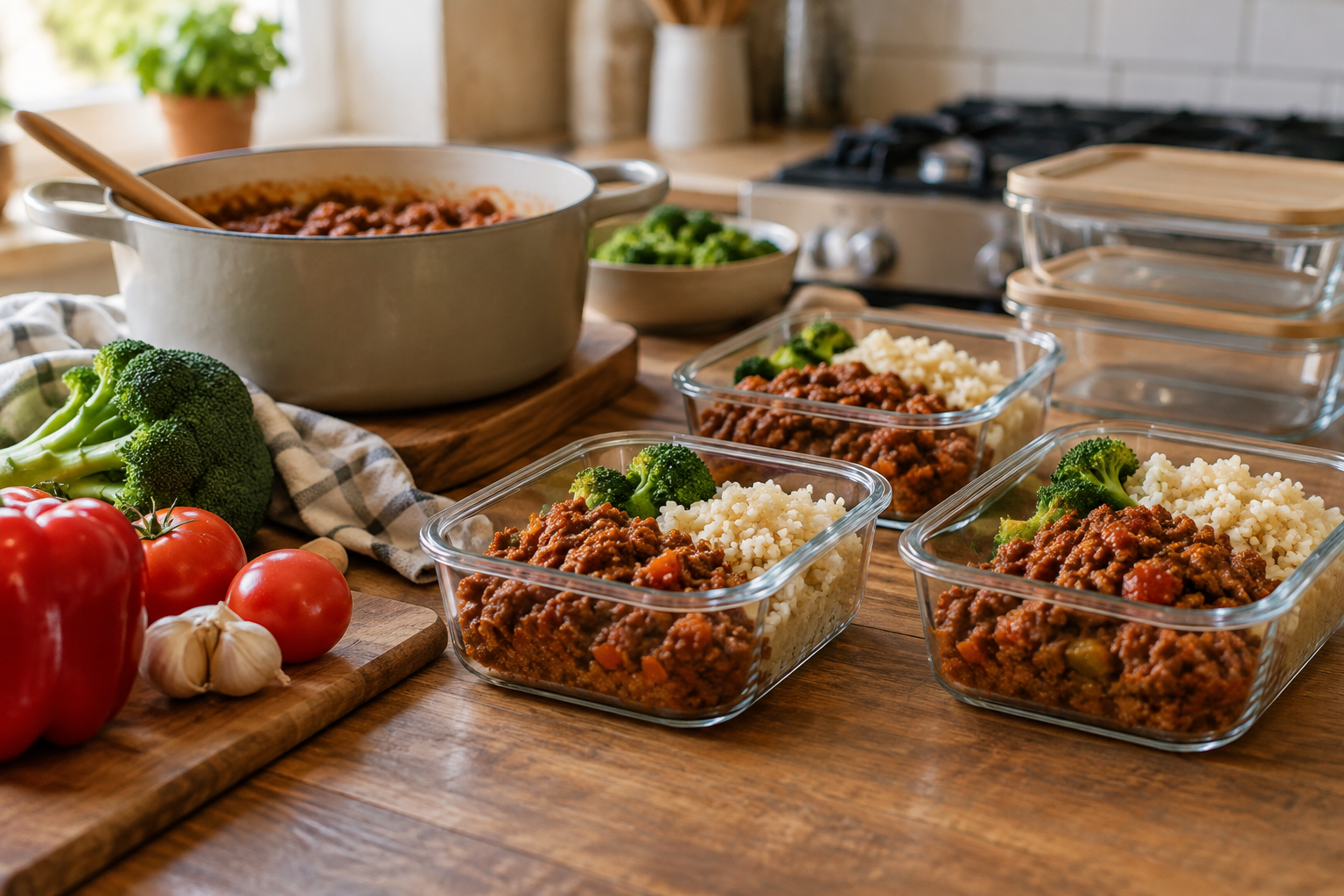
A container of Monday’s pasta does not automatically become Tuesday’s lunch. Before cooking extra supper, decide which specific days need leftovers, who will eat them, and whether anyone will actually want the repeat.
That small planning step prevents two common problems: cooking too much food for lunches that never happen, and scrambling for lunches because the leftovers were already eaten.
The right answer to “how many leftover lunches to plan” is not every weekday. It is the number of lunches your household will realistically carry, pack, and enjoy.
Start with the lunch days, not the supper recipe
Look at the week ahead and mark the days when leftovers make sense.
- Which adults will be at work or working from home?
- Which children will be at school or daycare?
- Is anyone away for a game, appointment, field trip, or visit?
- Will there be a day when the household eats lunch at home?
- Are there days when a packed lunch is required, rather than simply convenient?
A family may need leftover lunches on Tuesday and Thursday, but not Wednesday because one parent has a work lunch and one child has a school event. Another household may need lunches Monday through Friday. The point is to count actual lunch needs, not assume five identical weekdays.
Write down the people and days before choosing extra supper portions. For example:
- Monday: one adult needs lunch
- Tuesday: two children need packed lunches
- Wednesday: no leftover lunch needed
- Thursday: two adults need lunch
- Friday: everyone is away or eating elsewhere
That gives you five possible portions across the week. It does not mean you need five extra servings from one supper.
Count people, not just lunch days
“How many leftover lunches to plan” depends on who needs each lunch. One lunch day might mean one container. Another might mean three.
Make a simple count for each day. If two adults need lunch on Tuesday and one child needs lunch on Wednesday, you need three lunch portions in total. Those portions may come from different suppers.
Also account for appetite and age. A younger child may need a smaller portion than an adult. A teenager may need a full supper-sized container plus a snack. A person doing physical work may need more food than someone with a short desk day. You do not need perfect measurements. Use your household’s usual lunch containers as a guide.
Some meals also stretch differently. A pot of chili may give several useful lunch portions. A tray of roasted vegetables may disappear at supper. A meal with bones, peels, or a sauce that does not reheat well may produce less usable lunch food than the original serving count suggests.
Plan the portions you want to save before dinner is served. Put those containers aside once the meal is cool enough to store safely. Otherwise, “tomorrow’s lunch” can quietly become tonight’s second helping.
Scale only the suppers before lunch days
Do not add extra food to every supper just because some lunches are coming up. Increase the portions only for meals that can cover a specific later lunch.
If Thursday’s lunch needs two portions, choose a supper on Wednesday that can make those portions. If Tuesday’s lunch needs three portions, scale Monday’s supper accordingly. This keeps the plan connected to the calendar.
A basic pattern might look like this:
- Monday supper: cook enough for Monday dinner and two Tuesday lunches
- Tuesday supper: cook the normal amount
- Wednesday supper: cook enough for dinner and one Thursday lunch
- Thursday supper: cook enough for dinner and Friday lunch, if Friday lunch is actually needed
- Friday supper: cook the normal amount unless the weekend calls for planned leftovers
This approach is more useful than adding a vague “extra” amount to each recipe. You know why the extra food is there and when it is meant to be eaten.
If you are unsure whether a meal will leave enough, add a flexible side rather than doubling the main dish. Cook extra rice, pasta, potatoes, or vegetables only when they will work with the planned lunch. A side can turn a small amount of leftover protein into a complete meal.
Do not assume everyone wants leftovers every day
Leftovers are practical, but they are not a universal household preference. One person may happily eat the same curry twice. Another may refuse it after one dinner. Some children prefer familiar foods, while others want variety in their lunchbox.
Ask three questions before assigning a leftover lunch:
- Will this person eat the meal cold, reheated, or only one way?
- Does the food hold up safely and taste well the next day?
- Is there a simple backup if the person changes their mind?
You can keep the main meal the same while varying the presentation. Leftover chicken might become a wrap, rice bowl, sandwich filling, or salad topping. Roasted vegetables may work in a quesadilla or alongside eggs. Meat sauce can go over pasta one day and into a baked dish another day.
Still, do not force every leftover into a new recipe. Extra steps can turn a useful plan into another job. Use repurposing when it is easy and welcome, not because every container must look completely different.
Leave gaps for meals away from home
A good leftover plan has empty spaces. Those gaps are not poor planning. They reflect real family life.
School trips, workplace lunches, appointments, sports schedules, and visits can remove several lunch needs from the week. A child may also bring home a full lunch because the class had a special meal. An adult may buy lunch during a busy day. Build around those possibilities when you already know about them.
Avoid cooking extra for a Friday lunch if Friday is usually unpredictable. Avoid assigning Wednesday leftovers when one parent often works from another location. If a day is uncertain, choose a meal that keeps well for another day or plan a shelf-stable backup instead.
A flexible lunch plan might include two confirmed leftover lunches, one optional leftover, and one backup meal. That is often more realistic than preparing five identical containers and hoping the calendar cooperates.
Match leftovers to the right suppers
Some suppers are natural lunch producers. Others are better cooked in the amount you need for that meal.
Good candidates usually include:
- Chili, stew, soup, and curry
- Pasta with sauce kept separate when practical
- Grain bowls with components stored apart
- Cooked chicken, meat, tofu, or beans that can be reused
- Egg dishes that your household enjoys reheated or cold
- Roasted vegetables and potatoes that suit the planned lunch
Use more caution with foods that become soggy, dry, or difficult to pack. Crispy coatings, dressed salads, and delicate breads may need separate storage. Add sauces, dressings, toppings, and crunchy pieces just before eating when possible.
Food safety matters too. Refrigerate leftovers promptly in shallow containers and follow your household’s usual food-safety guidance. If a lunch will sit without refrigeration, use an insulated lunch bag and cold pack as appropriate. A meal is not a successful leftover if it cannot travel safely.
Use a simple weekly rule
If you want a starting point, plan one leftover lunch for each confirmed lunch need, then add only a small amount of flexibility where your household regularly eats leftovers.
For example, if the calendar shows four confirmed lunch portions, plan four portions. If your family often needs an emergency lunch, make one supper flexible enough to create another portion, but do not automatically cook five extra servings.
Review what happened at the end of the week:
- Which planned lunches were eaten?
- Which containers came home untouched?
- Which suppers ran short?
- Did anyone dislike the repeat meal?
- Did a planned day disappear because of an activity or meal away from home?
Use those answers to adjust next week’s portions. The goal is not a perfect number. The goal is fewer unwanted leftovers, fewer lunch emergencies, and less extra cooking.
Plan the lunch days first. Name the people. Scale only the suppers that precede those lunches. Leave room for days away and for family members who want something different. If you want help fitting those decisions around your budget, household, stores, and local flyer deals, CartBrain can build the week around your real schedule.