 Cart
CartFeeding Teenagers Without Doubling the Grocery Bill
Plan for teenage appetites instead of fighting them: bigger batches, filling staples and approved snacks can protect both supper and the budget.
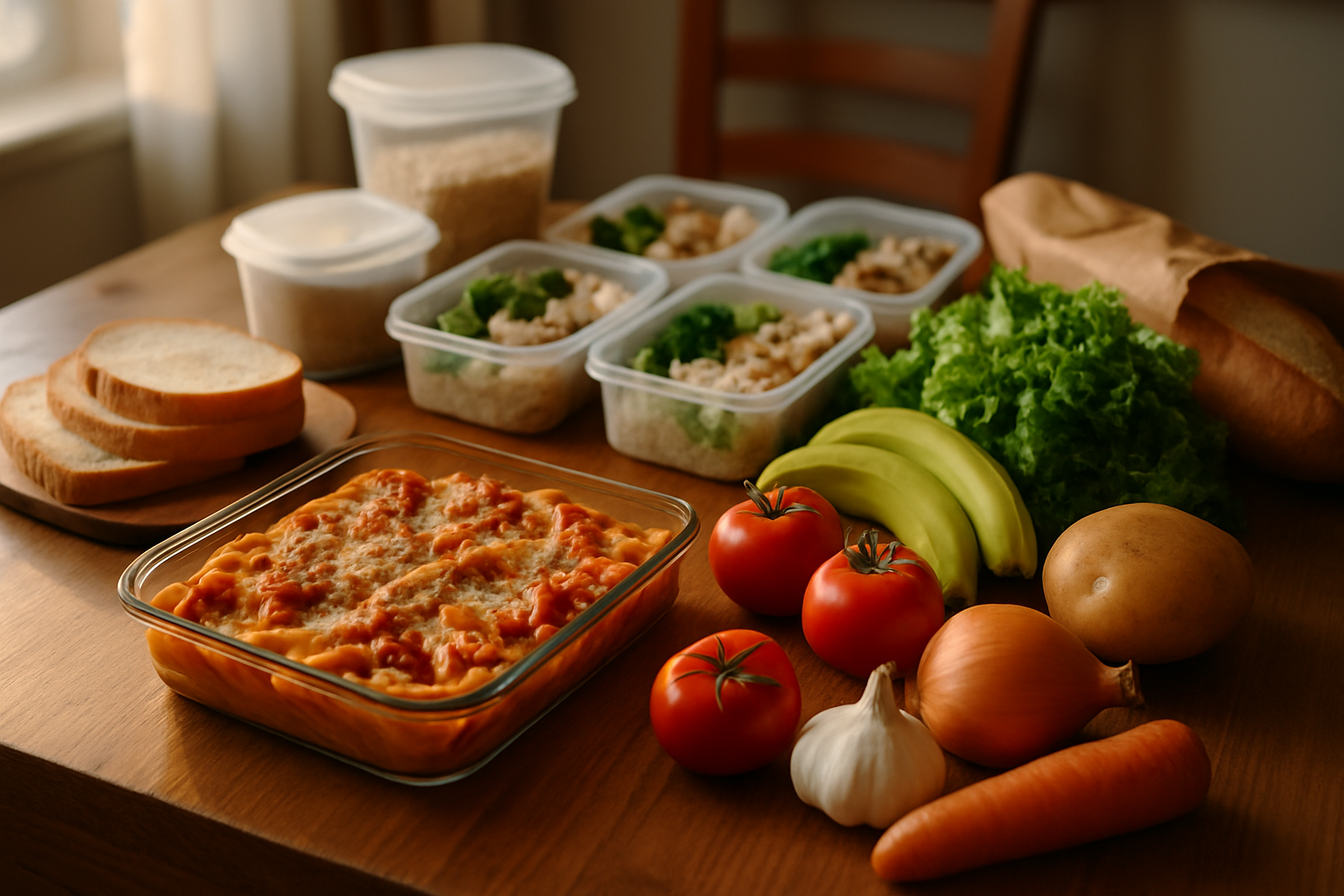
A teenager can finish a full supper, ask what else there is, and still be hungry before the dishes are dry. Feeding teenagers on a budget means planning for that appetite instead of pretending every person eats the same portion.
The fix is not buying random extra food every time the fridge looks bare. That approach costs more, creates waste and can leave you short on the ingredients meant for tomorrow's meal. A better plan builds extra food into the week on purpose.
Stop planning fixed portions
Many meal plans assume one recipe feeds a set number of people. That can work for a small household with predictable appetites. Teenagers are different. Growth, sports, busy school days and simple boredom can all affect how much they eat.
You do not need to guess perfectly. Start by identifying the meals that disappear fastest. Pasta, chilli, rice bowls, tacos, curry, soup with bread and sheet-pan dinners are often easy to stretch. Make those meals the anchors of the week.
For a family with teenagers, “serves four” may need to become “feeds the family with leftovers” rather than “feeds four exact portions”. Plan the recipe around the number of people who will actually eat, plus a deliberate amount for lunches or another supper.
This is not permission to overbuy every ingredient. It is a reason to increase the foods that stretch well and leave expensive or fragile ingredients closer to the amount you will use.
Cook a double batch when the recipe earns it
A double batch is usually more useful than cooking two unrelated meals. You are already chopping the onion, opening the cans and washing the pot. Extra portions can become tomorrow's supper, a weekend lunch or a freezer meal.
Good double-batch candidates include:
- Chilli with beans, lentils or ground meat
- Tomato sauce for pasta, baked pasta or pizza toast
- Cooked rice for bowls, fried rice or burritos
- Soup with lentils, beans, barley or potatoes
- Meatballs, burgers or seasoned chicken for wraps and sandwiches
- Oat-based muffins or breakfast squares
Cool leftovers promptly and store them in shallow containers. Label freezer portions with the name and date. Put the food where teenagers can see it and reheat it safely. A container that is hidden behind three jars of condiments is not really a planned meal. It is a future science project.
Double batches work best when the second use is clear. Turn leftover chilli into nachos, stuffed potatoes or quesadillas. Use roast chicken in wraps, soup or rice bowls. Cooked rice can carry a new sauce and vegetables without feeling like the same meal twice.
Build around eggs, oats and rice
Eggs, oats and rice are useful budget staples because they can support several meals without needing a complicated recipe. They are not the only foods your family needs, but they can do a lot of work in a weekly plan.
Eggs can become omelettes, egg sandwiches, fried rice, breakfast burritos or a quick addition to toast and fruit. Buy the size and format that suits your household, then use them before they sit too long in the fridge.
Oats are more than breakfast porridge. Use them for overnight oats, baked oatmeal, muffins, pancakes, energy bites or a topping for fruit crumble. Add milk or yoghurt, fruit, nut or seed butter where suitable, and let each teenager build a combination they will actually eat.
Rice works as a base for leftover vegetables, beans, eggs, chicken or tofu. It can stretch a small amount of protein across more servings. Cook a planned amount rather than a giant pot with no destination, and refrigerate leftovers promptly.
The point is not to serve the same cheap staple at every meal. The point is to keep versatile building blocks available so hunger does not automatically lead to a costly convenience purchase.
Give the after-school hunger window a real job
The after-school period is where many grocery plans fall apart. A teenager arrives home hungry, supper is still an hour away and the easiest food gets eaten first. If that food was meant for tomorrow's lunch or tonight's recipe, the whole plan starts wobbling.
Create a clear snack window and stock it deliberately. The snack does not need to be fancy. It needs to be filling, visible and allowed.
Useful options include:
- Bananas, apples, oranges or frozen fruit
- Yoghurt or cheese with crackers
- Toast with peanut or seed butter, where safe for the household
- Hard-boiled eggs
- Hummus with carrots, cucumber or pita
- Popcorn made at home
- Oat muffins or homemade bars
- Leftover rice with an egg and soy sauce
- Cereal with milk
- Tortillas with beans and cheese
Keep a small shelf or bin for approved snacks. The exact choices should match allergies, school rules, cultural preferences and what your family will eat. The important part is that teenagers know what is available without needing to ask or search through supper ingredients.
You can also set a simple rule: some foods are for anytime, some are for meals, and some need an adult's permission because they are planned for a recipe. Make that rule practical, not punitive. “Do not eat anything” will fail when someone is genuinely hungry.
Buy more of the plan, not more random food
Extra random food feels like safety. In practice, it often creates a pile of snacks that do not combine into meals. You may have crackers, frozen fries, cereal and a few condiments, but nothing that can become supper.
Buying more of the plan is different. If Monday's burrito bowls are popular, buy enough rice, beans, tortillas and toppings for the intended leftovers. If Wednesday's pasta disappears, make more sauce and add a second use for it. If breakfast is rushed, plan a batch of oats or egg muffins instead of hoping everyone will find something.
This approach also makes store decisions clearer. A lower-priced ingredient is only useful if it replaces something you would otherwise buy or gets used before it spoils. Check the current flyer and your local store rules, but do not chase every promotion. A deal that adds food without a meal attached can still increase the bill.
Canadian households also face different prices and availability depending on province, community and store access. A family shopping at No Frills, FreshCo, Food Basics, Maxi, Super C, Save-On-Foods, Co-op, Costco or a smaller local shop may have completely different choices. Build from what is available near you, not from a universal list.
Make leftovers easy to claim
Teenagers are more likely to eat planned food when it is easy to recognise and serve. Store leftovers in single-meal containers when possible. Keep wraps, cooked rice, grated cheese and washed fruit ready to combine. Put a note on the fridge if something needs using first.
Ask each teenager to choose two or three reliable snacks and one leftover meal they will eat without complaint. That small amount of input can prevent you from filling the kitchen with food nobody wants.
A weekly plan should also include one flexible meal. This might be eggs on toast, loaded baked potatoes, quesadillas or a leftovers buffet. The flexible meal absorbs changing appetites and prevents a last-minute order when the planned dish no longer fits the evening.
Make the grocery list match real hunger
Before shopping, check what vanished last week. Did the eggs run out first? Was there enough fruit? Did the planned lunches become after-school snacks? Did one dinner produce no leftovers at all?
Adjust the next list based on those answers. Increase the foods that worked. Reduce the foods that lingered. Add the missing components that would have turned leftovers into a second meal.
That is the heart of feeding teenagers on a budget. You are not trying to control every bite. You are creating enough structure that hunger has somewhere affordable to go.
A weekly meal planner such as CartBrain can help you map larger batches, store choices, sale items and a grocery list around your household's actual budget. The goal is simple: plan for the appetites you have, so extra food supports the week instead of quietly doubling the bill.