 Cart
CartGrocery Prices Went Up Again. Change These Three Things This Week.
Stop chasing every discount. Change what you plan, what you buy, and how much you cook so this week’s grocery total has somewhere to go but up.
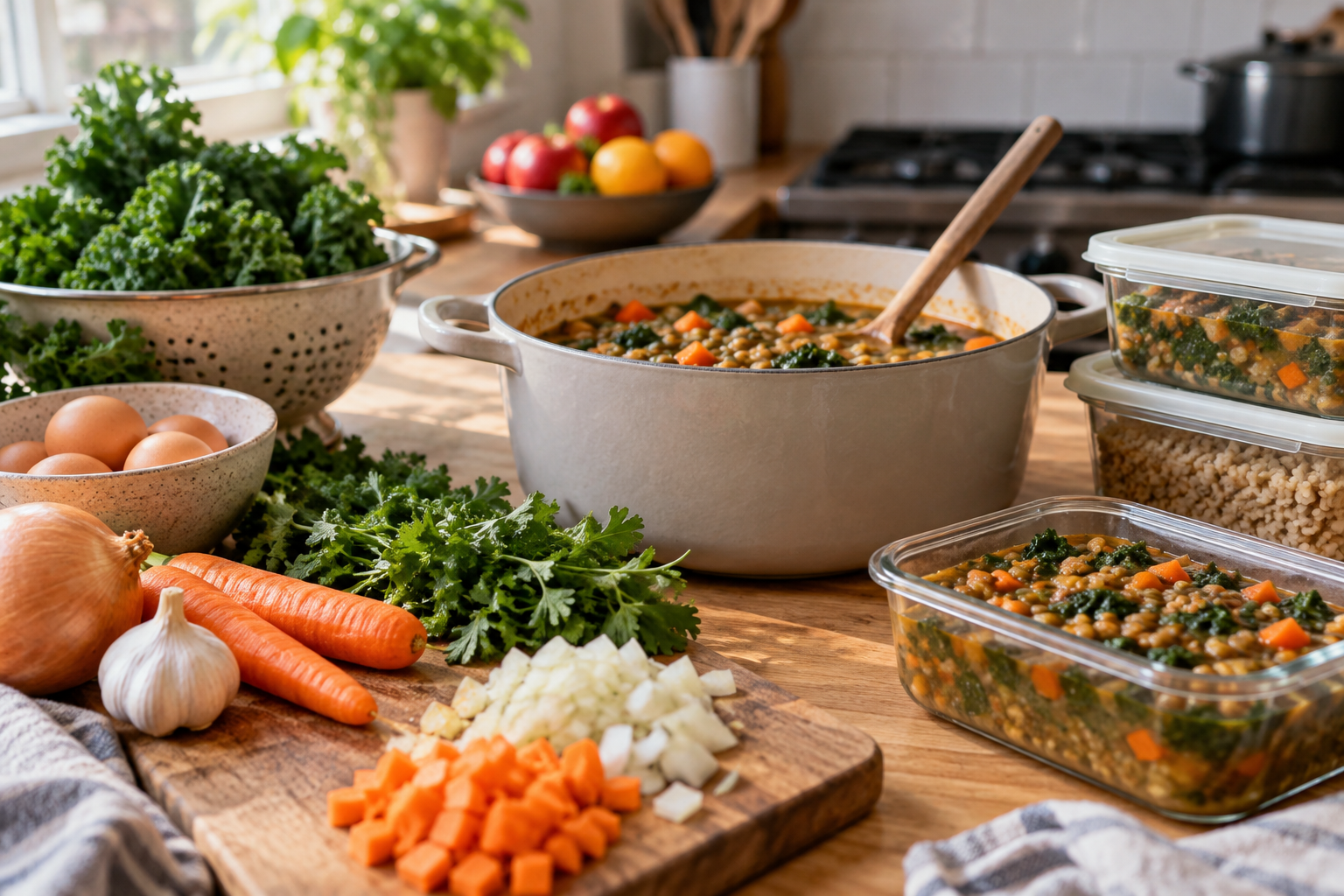
A chicken breast, a block of cheese, and a bag of apples can make a grocery receipt feel like a personal insult. But outrage will not lower this week’s total. A few deliberate changes might.
If you are searching for how to deal with rising grocery prices, start with three moves: plan dinners around current sales, replace the two costliest items on your list, and cook one extra portion each night. Then compare the final total with your usual baseline.
This is not about making every meal cheap. It is about making a few decisions before the shop does the deciding for you.
1. Plan dinners around what is on sale
Most families plan meals by craving, habit, or whatever is easiest to remember. That can leave you buying full-price ingredients for seven separate dinners.
This week, reverse the order. Check your local flyers first, then build meals around the useful offers you find. In Canada, many supermarket flyers turn over on Thursday, but the schedule and promotions can vary by store and province. Check the stores you actually use.
Look for sale categories rather than one perfect recipe:
- A protein you can use in more than one meal, such as chicken thighs, ground meat, eggs, beans, lentils, or canned fish.
- Vegetables that can work in several forms, such as carrots, cabbage, onions, potatoes, frozen vegetables, or seasonal produce.
- A basic ingredient that can stretch across the week, such as rice, pasta, oats, tortillas, or bread.
- Pantry items that fill out a meal without requiring a second special shop.
Then make the week flexible. Sale chicken might become a sheet-pan dinner, soup, and sandwiches. Ground meat might become pasta sauce, tacos, and a rice bowl. A large bag of potatoes might cover one dinner, a breakfast, and a soup thickener.
Do not build seven meals that each need a different protein, sauce, and vegetable. That creates a long list and a fridge full of leftovers that do not fit together.
A practical weekly pattern could look like this:
- One meal built around the best-value protein.
- One meatless meal using beans, lentils, eggs, or tofu.
- One soup, stew, curry, or pasta dish that stretches small amounts of protein.
- One dinner using frozen or pantry staples.
- One planned leftover night.
- One flexible night for odds and ends.
- One simple meal for the busiest day.
The right sale depends on where you live. A family in Halifax will not see the same assortment as a family in Calgary, and a northern community may have very different availability from a large city. Check your own flyers and store rules instead of assuming a national chain has the same deal everywhere.
2. Replace the two costliest items
You do not need to rebuild the entire grocery list. Start with the two items that are doing the most damage.
Before shopping, scan your list and circle the most expensive meat, cheese, prepared food, snack, or specialty ingredient. Ask one question: Can this meal still work with a cheaper version?
Try swaps such as:
- Boneless, skinless chicken breast for bone-in chicken thighs or another cut your household will eat.
- A premium ground-meat option for regular ground meat, lentils, beans, or a blend of meat and vegetables.
- A branded pantry staple for the store brand.
- Pre-cut vegetables for whole vegetables that you can wash and chop at home.
- Individual snack packs for a larger pack portioned at home.
- A specialty cheese for a regular cheddar or another cheese that melts well.
- Fresh produce that is out of season for frozen or canned produce, checking the ingredient list and avoiding unnecessary added ingredients.
The best swap is not the cheapest item on the shelf. It is the cheaper item your family will actually eat. A bargain that gets rejected is not a saving. Neither is an ingredient that creates extra work you will not have time to do.
Store brands can be a sensible first test for basics such as flour, oats, canned tomatoes, pasta, rice, broth, and frozen vegetables. Compare the package size, not just the sticker price. A larger package may have a lower unit cost, but only if you can use it before it spoils and have room to store it.
For meat, compare usable portions rather than the label alone. A less expensive cut may need trimming or longer cooking. That can still work well in a slow cooker, soup, stew, or braise. Choose the cooking method before you buy so the swap does not turn into a disappointing dinner.
Do not make all your swaps at once if your family is resistant. Change two items this week. Keep notes on what worked. Repeat the useful changes and drop the ones nobody wants again.
3. Cook one extra portion every night
Lunch is often where the grocery budget quietly leaks. A separate lunch plan can mean extra bread, deli meat, snack foods, cheese, fruit, and convenience items on top of dinner ingredients.
Instead, cook one extra portion of dinner each night. Pack it while you are putting food away, before the leftovers disappear. That gives one person a ready lunch without buying a separate meal.
Not every dinner needs to create a neat container. A serving of chili, curry, pasta, soup, rice and vegetables, or roasted chicken can usually travel well. If the dinner does not pack nicely, save an ingredient for lunch instead. Extra cooked rice can become a bowl. Extra vegetables can go into eggs or a wrap. Leftover roast meat can fill sandwiches.
Use safe storage habits. Cool food promptly, refrigerate it in shallow containers, and follow your household’s usual food-safety guidance. If nobody wants the leftovers the next day, freeze a suitable portion or plan to use it later in the week.
One extra portion is also easier than cooking a completely separate lunch recipe. The goal is not a second meal project. The goal is to make the dinner you are already cooking do more work.
Know your baseline before you judge the result
You cannot tell whether a change helped if you do not know what you are comparing it with.
Use your usual weekly grocery total as a rough baseline. It does not need to be perfect. Look at recent receipts or your banking history and choose a normal week, not a holiday shop, a stock-up trip, or a week when you bought household supplies.
Write down:
- The total grocery amount.
- The number of dinners covered.
- Any food bought for lunches or breakfasts.
- Household and personal-care items included in the same shop.
- Food you already had at home and used up.
When this week is over, compare like with like. If you bought detergent, pet food, or a birthday cake, separate those costs from the food total if you can. If you stocked up on a shelf-stable item, note that too. A higher receipt does not always mean the meal plan failed, just as a lower receipt does not always mean the plan is repeatable.
Also check the waste. Did the cheaper swap get eaten? Did the extra portions become lunches? Did the sale ingredients fit several meals, or did some spoil? Your real baseline is not just the receipt. It is the cost of food your household bought, used, and enjoyed.
Make the changes repeatable
At the end of the week, keep the decisions that caused less friction. You might discover that a sale-led plan works best when you choose two flexible dinners first. Or that store-brand pasta is an easy swap, while a different cheese is not. You might find that cooking extra works on soup nights but not on nights when everyone wants seconds.
Write down three useful results for next week:
- The sale ingredient that carried more than one meal.
- The two swaps your household accepted.
- The dinner that produced the most useful extra portion.
Then start again with the next set of flyers. Prices, stock, banners, and store policies vary across Canada, so your plan should respond to your local shops rather than follow a generic list.
You do not need a perfect budget or a completely different diet to deal with rising grocery prices. Change the plan before you change the whole household routine. CartBrain can help you build a weekly dinner plan around your budget, household, chosen Canadian or US stores, and current local flyers, then track the grocery total as you shop.