 Cart
CartEffective Strategies to Reduce Food Waste at Home
Wasted food is wasted money. Here’s how to cut down on food waste at home while saving cash.
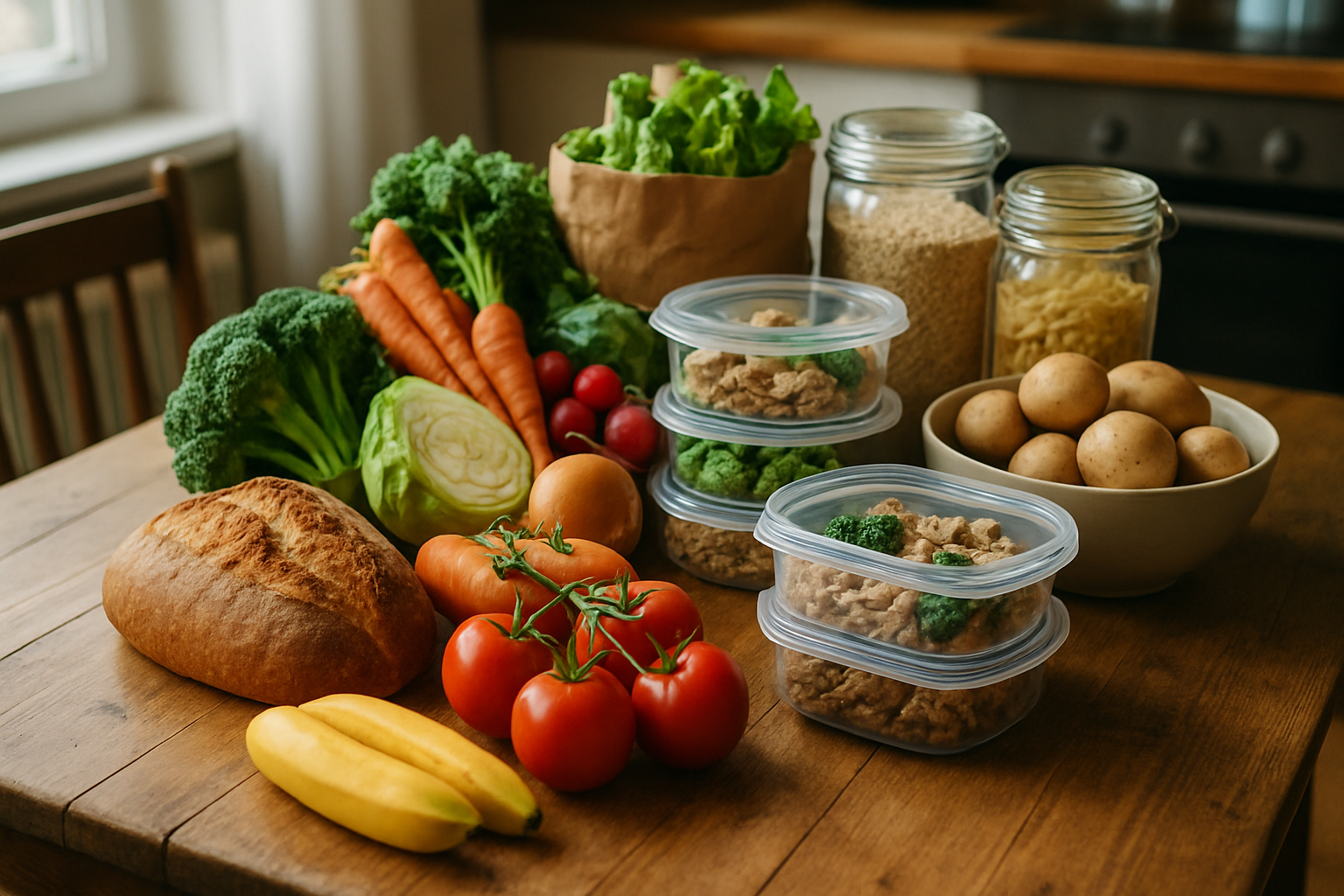
Wasted food isn’t just a shame; it’s cash down the drain. If you’re tired of tossing out spoiled veggies or leftover meals, it’s time to take action. Here are practical strategies on how to reduce food waste at home while keeping your budget in check.
Shop Your Pantry and Freezer First
Before you head to the store, take a good inventory of what you already have. Check your pantry and freezer for items that might be nearing their expiration dates.
- Make a list of what you have. This helps prevent duplicate purchases.
- Plan meals around these items. If you have a bag of frozen chicken and some wilting produce, that’s a meal waiting to happen.
- Get creative with what’s on hand. Sometimes, the best meals come from a little improvisation.
Implement a Weekly 'Use-It-Up' Night
Designate one night a week to clear out leftovers and odds and ends in your fridge. This could be a 'use-it-up' night where:
- Everyone contributes to the meal. Let the kids pick their favourite leftover dishes.
- You get creative with what’s available, mixing and matching ingredients.
- It becomes a fun family tradition, making food waste reduction a team effort.
Master Smart Storage Basics
Proper storage can extend the life of your food significantly. Here are some quick tips:
- Use airtight containers for grains, nuts, and snacks. This keeps them fresh longer.
- Store fruits and vegetables separately; some fruits emit ethylene gas that can spoil greens quicker.
- Label and date items in your fridge. This helps you keep track of how long things have been there and what needs to be eaten first.
Cook Once, Eat Twice
Making extra portions of meals is a smart way to save time and reduce waste. Here’s how:
- Double recipes when cooking. It takes little extra time to make twice as much.
- Freeze portions of meals for later use. Soups and casseroles freeze well.
- Use leftovers creatively. For example, roast chicken can become chicken salad or be added to a stir-fry the next day.
Plan Leftovers on Purpose
Instead of letting leftovers sit in the fridge until they’re unrecognizable, plan for them. Here are some approaches:
- Make a meal plan that incorporates leftovers into your next week's meals. If you have spaghetti on Monday, plan for a pasta salad on Wednesday.
- Use a whiteboard or planner to keep track of meals and their components. This way, you won’t forget about that half-eaten casserole.
- Communicate with your family about what’s for dinner. If everyone knows what to expect, they’re more likely to eat those leftovers.
Reducing food waste at home doesn’t have to be complicated. With a few simple strategies, you can save money and make the most out of your groceries. Tools like CartBrain can help streamline your meal planning and grocery budgeting, making it easier to stick to your goals.