 Cart
CartHow to Use Up Leftovers Without Eating the Same Thing Twice
Cook once, then turn the same food into something that feels new.
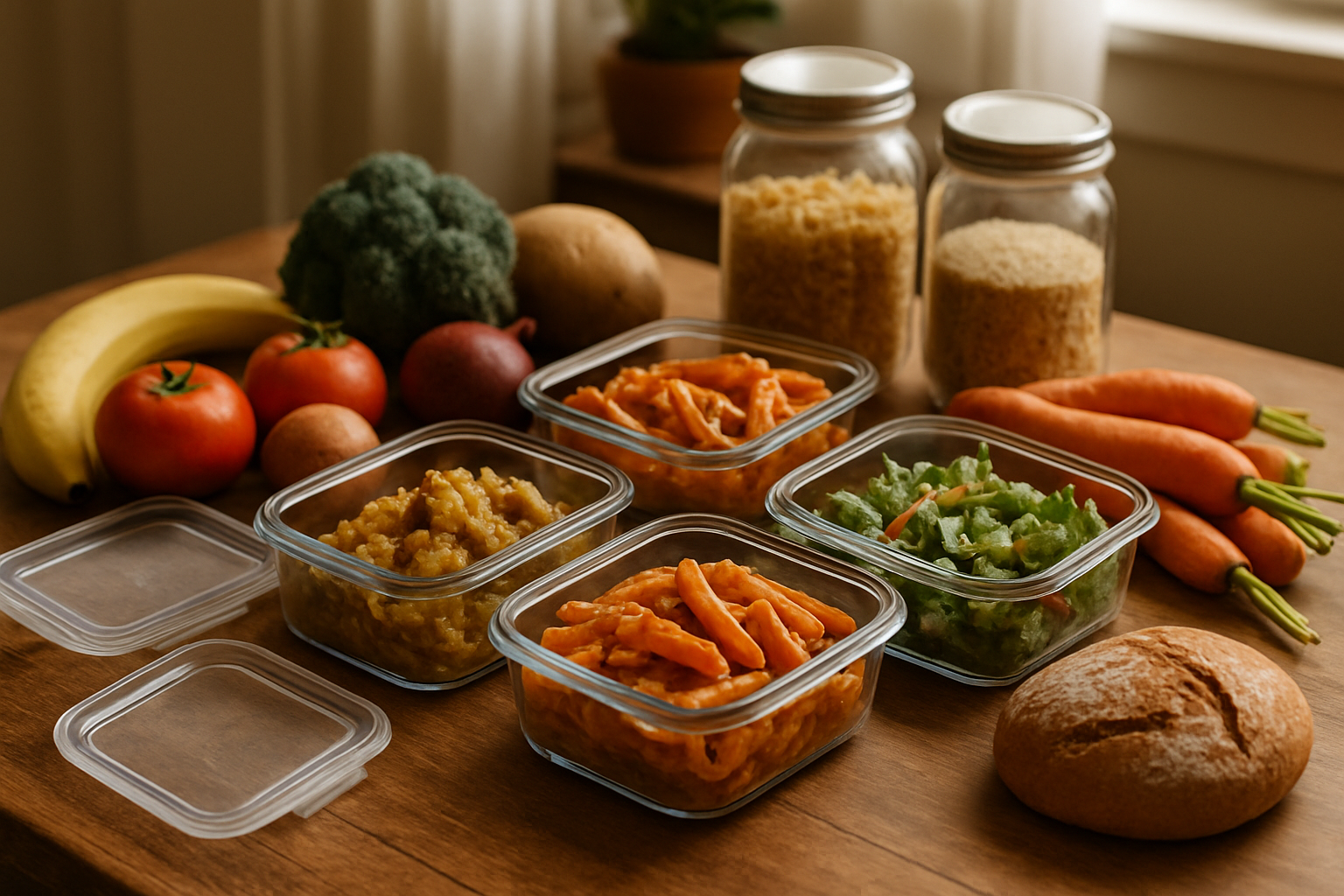
That container of roast chicken in the fridge is not “tomorrow’s sad dinner.” It is the start of two or three different meals if you stop treating leftovers like a repeat and start treating them like ingredients.
Plan the remix before you cook
The easiest way to use up leftovers is to decide, before dinner even starts, what the second meal will be. That sounds small, but it changes everything.
If you roast a chicken, don’t just think about the first plate. Think about what the meat can become next.
- Roast chicken can become wraps, soup, quesadillas, fried rice, or a grain bowl
- Extra rice can become fried rice or a rice bowl base
- Roasted vegetables can go into omelettes, pasta, soup, or a lunchbox-style salad
- Cooked potatoes can become hash, soup, or a breakfast skillet
When you plan the remix on purpose, leftovers stop being random. They become part of the meal plan. That means less fridge guilt and fewer nights where everyone stares into the fridge like it owes them answers.
A good rule: when you cook a main protein, cook one “bridge” item too. Rice, pasta, tortillas, greens, or a pot of soup all help turn one meal into another without much extra work.
Use the cook-once, eat-differently method
The goal is not to make the same dinner three nights in a row. The goal is to change the shape, flavour, or format so it feels like a new meal.
Start with a base meal, then remix it.
Roast chicken to wraps
Shred or slice the leftover chicken. Add something crunchy, something creamy, and something sharp.
- Crunchy: lettuce, cabbage, cucumber, pickles
- Creamy: mayo, hummus, yogurt sauce, avocado
- Sharp: mustard, salsa, hot sauce, vinaigrette
Wraps work because they are fast and forgiving. If the chicken is plain, the sauce does the heavy lifting. If the chicken is seasoned, keep the add-ins simple.
Roast chicken to soup
Soup is one of the best ways to use up leftovers because it forgives small amounts. A little chicken, a few carrots, some celery, half an onion, and a handful of noodles or rice can become supper.
Start with aromatics if you have them. Add broth or water plus seasoning. Then stir in the leftover chicken near the end so it stays tender.
If the chicken was already seasoned, taste before adding much more salt. Leftovers can get salty fast.
Rice to fried rice
Cold rice is better than fresh rice for fried rice. That is not a fancy chef rule. It just holds up better in the pan.
Use what you have.
- Rice
- Any chopped vegetables
- Leftover chicken, pork, shrimp, or tofu
- Eggs
- Soy sauce or another savoury sauce
Keep the heat fairly high and don’t overload the pan. If everything is crowded, it steams instead of frying. Fried rice is one of the best “clean out the fridge” meals because it turns small bits into a real dinner.
Odds and ends to frittata
A frittata is basically a rescue mission for the fridge.
Use bits of cooked vegetables, cheese, chopped meat, or herbs. Pour beaten eggs over the top and cook gently until set. If you have potatoes, even better.
Frittatas are good for nights when you need dinner to be simple and filling. They also reheat well, which makes them useful for lunch the next day.
Leftover grains to grain bowls
A grain bowl is just a structured way to use up leftovers without pretending they are something else.
Start with rice, quinoa, farro, couscous, or whatever grain you have. Add protein, vegetables, and a sauce.
Think in parts:
- Base: grain or greens
- Protein: chicken, beans, eggs, tofu, tuna
- Veg: roasted vegetables, cucumber, carrots, greens, tomatoes
- Sauce: tahini, vinaigrette, yogurt sauce, salsa, pesto
This works especially well when you have a little of several things. Not enough for a full plate on its own, but enough to make a balanced bowl.
Build a weekly use-it-up night
A weekly use-it-up night keeps leftovers from becoming fridge clutter. Pick one night and make it the home for odds and ends.
That night is not about perfection. It is about clearing space and saving yourself from wasting good food.
Use-it-up night can look like this:
- Fried rice with leftover vegetables and eggs
- Quesadillas with shredded meat and cheese
- Soup with leftover chicken and vegetables
- Pasta with bits of roasted veg and sauce
- Frittata with whatever needs using first
The trick is to give the night a job. If you do not assign a leftover night, the leftovers just sit there. Then they become a science project.
You can even build the rest of the week around it. Cook a meal on Sunday, plan the remix for Tuesday, and keep Friday open for whatever is still hanging around.
Store leftovers so they stay worth eating
Good leftovers start with good storage. If food goes soggy, dries out, or gets buried behind mystery containers, nobody wants it.
A few simple habits help.
- Cool food before refrigerating, but don’t leave it out too long
- Store in shallow containers so it chills evenly
- Label containers if you know they will be forgotten
- Keep sauces separate when you can
- Put older leftovers in front where you can see them
If you know a food will be remixed, store it with that in mind. Keep tortillas handy for chicken. Keep broth in the freezer for soup. Keep cooked rice in a container that is easy to grab for fried rice.
Also, use your senses. If something smells off, looks off, or has been sitting too long, do not try to rescue it with optimism.
Reheat the right way
Leftovers fail when they are reheated badly. Dry chicken, rubbery rice, and soggy vegetables make people swear off leftovers altogether.
Different foods need different treatment.
- Reheat chicken gently so it stays moist
- Add a splash of water or broth to rice and grains before warming
- Use the oven or toaster oven for crispy foods when you can
- Stir soups and stews halfway through reheating
- Heat until the food is steaming hot all the way through
If something is already cooked and just needs a refresh, do not blast it on high heat and hope for the best. Gentle heat usually wins.
For mixed leftovers, separate the parts if needed. Warm the rice, then add the sauce. Reheat the chicken, then build the wrap. That small extra step keeps the texture better.
Make leftovers feel intentional
People get tired of leftovers when they feel like punishment. The fix is to make them feel planned.
That can be as simple as changing the sauce, changing the format, or changing the side.
- Same chicken, different sauce
- Same rice, different toppings
- Same vegetables, different dish
- Same beans, different wrap or bowl
You do not need to invent a new recipe every night. You just need enough change that dinner does not feel like déjà vu.
A little garnish helps too. Fresh herbs, a squeeze of lemon, chopped green onion, or a crunchy topping can make yesterday’s food feel like today’s meal.
The easiest leftover strategy is a short one
If you want fewer food scraps and fewer repeat dinners, keep it simple: cook a little extra on purpose, plan one remix meal, and give leftovers a clear job before they get old.
That is the whole trick. Roast chicken becomes wraps, then soup. Rice becomes fried rice. Odds and ends become a frittata or grain bowl. Nothing fancy. Just useful.
If you want help turning this kind of leftover plan into a real week of meals, CartBrain can build the supper plan around what you already have and what needs using up next.