 Cart
How to Reuse Ingredients Without Making Every Dinner Taste the Same
Plan one shared ingredient across several cooking methods, flavour profiles, and formats so your grocery list stays sensible and dinner stays varied.
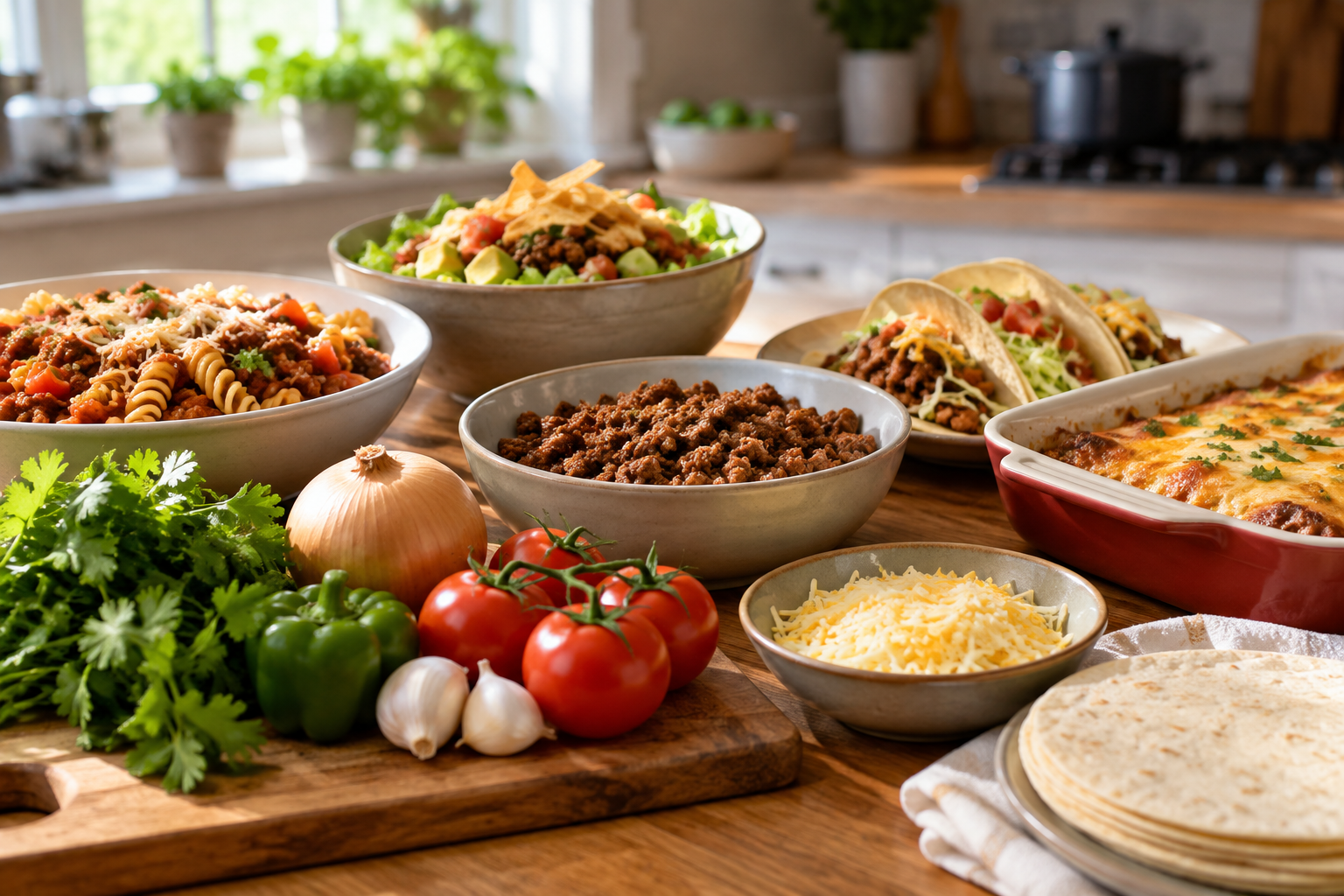
A 2 kg bag of potatoes should not mean four nights of mashed potatoes, roasted potatoes, and family complaints. Ingredient overlap meal planning works when the same base appears in genuinely different forms, with different textures and seasonings doing the heavy lifting.
The goal is not to make every meal share the same flavour. It is to make your grocery shop share more ingredients. That means fewer half-used vegetables, less duplicate buying, and a better chance that what you bring home actually gets eaten.
Start with one anchor ingredient
Choose one ingredient that can move between meals without looking or tasting identical. Good anchors are flexible and fairly sturdy:
- Chicken thighs or boneless chicken
- Ground beef, turkey, pork, or a plant-based mince
- Potatoes or sweet potatoes
- Rice, couscous, pasta, or tortillas
- Cabbage, carrots, cauliflower, or broccoli
- Canned beans or chickpeas
- Eggs
Pick one or two anchors for the week. More than that can turn planning into a puzzle, especially if your household has strong preferences or different schedules.
A useful test is simple: can you name at least three different preparations before adding the ingredient to your list? If not, buy a smaller amount or choose a more flexible base.
For example, chicken can become:
- Sheet-pan chicken with roasted vegetables
- Shredded chicken in tacos or wraps
- A ginger-garlic chicken rice bowl
- Chicken stirred into soup or a pasta dish
Those meals share a protein, but they do not need to share a sauce, side dish, or overall personality.
Change the cooking method first
Seasoning helps, but texture is what makes leftovers feel like a new meal. The same ingredient can seem repetitive when it is cooked the same way every time.
Try assigning different methods across the week:
- Roast one meal until the edges are browned
- Simmer another preparation in broth or tomatoes
- Pan-fry a portion for crisp bits
- Serve one version cold or at room temperature
- Turn a cooked ingredient into a filling, topping, or soup base
A tray of roasted vegetables can become dinner beside sausages, a filling for quesadillas, or a topping for grain bowls. Cooked chicken can be sliced for one meal, shredded for another, and folded into a creamy or tomato-based dish later.
This is also useful for vegetables that are near the end of their best texture. Slightly tired carrots may still be excellent roasted or added to soup, even if they are no longer ideal for a raw snack plate.
Give each meal a different flavour direction
You do not need a shelf full of condiments to make food taste different. Choose a few flavour directions that use seasonings you already have.
Lemon-herb
Use lemon juice or zest, dried oregano, parsley, garlic, black pepper, and olive oil. This works with chicken, potatoes, beans, fish, and roasted vegetables.
Smoky and savoury
Use smoked paprika, regular paprika, cumin, garlic, onion, and a little chilli if your household likes heat. This suits roasted vegetables, ground meat, beans, and rice.
Soy-ginger
Use soy sauce, fresh or powdered ginger, garlic, and a little sesame oil if you already keep it. Add the mixture near the end of cooking so it does not burn. It works in stir-fries, rice bowls, noodle dishes, and shredded chicken.
Tomato and Italian-style herbs
Use canned tomatoes, basil or oregano, garlic, and black pepper. This can become a pasta sauce, a braising liquid, or the base of a bean and vegetable stew.
Mild curry-style
Use curry powder or a blend already in your cupboard, with onion, garlic, and a little coconut milk or broth if suitable. This can flavour chickpeas, chicken, potatoes, lentils, or vegetables.
These are starting points, not rules. The important part is separating the meals by flavour family. A lemon-herb chicken plate and a smoky chicken taco filling may share the same cooked protein, but they will not read as the same dinner.
Limit optional condiments on purpose
Condiments are an easy way to create variety, but they can also quietly inflate a grocery list. A different bottled sauce for every meal is not a flexible plan. It is a collection of future fridge clutter.
Choose one or two optional finishing items for the whole week. Good choices include:
- Plain yogurt for bowls, wraps, and baked potatoes
- Salsa for tacos, eggs, rice, or roasted vegetables
- Mustard for sandwiches, chicken, or a simple dressing
- Hot sauce for people who want extra heat
- Pickles or relish for sandwiches, burgers, and grain bowls
Treat these as add-ons rather than the main plan. If the meal only works after buying a special sauce, reconsider the meal. A simple dressing made from oil, vinegar or lemon, mustard, salt, and pepper can do several jobs.
Keep food safety in mind when reusing cooked ingredients. Refrigerate food promptly, store it in shallow containers where practical, and reheat only the portion you plan to eat. If something has been sitting too long or looks questionable, do not force it into the plan just to avoid waste.
Build a shared base, then split it
A shared base is useful when it is plain enough to take in different directions. Cook a pot of rice, roast a tray of vegetables, or brown a batch of ground meat without committing the entire quantity to one seasoning.
Then split it into meal-sized portions and finish each one differently.
For example, a batch of ground turkey could become:
- A tomato-based pasta sauce with oregano
- A taco filling with cumin and paprika
- A rice bowl with soy, ginger, and shredded vegetables
Do not season every portion heavily at the start. Strong seasoning is harder to redirect. Salt lightly, cook the base safely, and add the final flavour when assembling each meal.
This approach also works for grains and vegetables. Plain rice can support curry-style chickpeas, a stir-fry, or a burrito bowl. Roasted cauliflower can go beside chicken, become a soup, or fill a warm pita with yogurt and herbs.
Plan for format changes, not just recipe changes
Families often notice repetition because meals arrive in the same format. Three chicken recipes can still feel like the same dinner if all three are plated with a protein, a starch, and steamed vegetables.
Change the shape of the meal:
- Bowl with rice or grains
- Wrap, pita, or taco
- Soup or stew
- Sheet-pan dinner
- Pasta dish
- Loaded baked potato
- Frittata or egg-based dinner
- Salad with a warm topping
A family may accept the same roasted vegetables more readily in a quesadilla than beside another piece of chicken. A leftover grain can feel new when it is crisped in a pan and topped with an egg. A bean mixture can move from a baked potato to a wrap without requiring a new shopping trip.
Shop from the overlap, not from separate recipes
Before shopping, list the meals and circle repeated ingredients. Then check whether the overlap is realistic.
Ask:
- Will the ingredient stay fresh for the meals that use it later in the week?
- Can it be frozen in part?
- Is the amount reasonable for the people eating it?
- Does one meal use the leaves, stems, or leftovers from another?
- Can one seasoning serve several dishes?
This is where Canadian shopping habits matter. Flyer cycles and stock vary by province, city, and store. Many supermarket flyers turn over on Thursday, but your local timing and promotions may differ. Check the current flyer and your store's rules rather than assuming a deal or price will be available.
If chicken is on sale at a nearby store, it may be the anchor for the week. If cabbage, carrots, or canned beans are better value, build around those instead. A good plan responds to what is available without forcing every meal into the same cuisine.
Leave one dinner completely different
Ingredient overlap should reduce work, not remove choice. Leave one meal with no shared anchor if your budget and schedule allow it. That could be eggs on toast, frozen pizza, a simple soup, or leftovers from the freezer.
This break gives everyone a reset and makes the repeated ingredients feel intentional rather than restrictive. It also protects the plan when a meeting runs late, a child has an activity, or nobody wants the dinner you scheduled.
For a quicker way to match shared ingredients with your budget, household, chosen stores, and current Canadian or US flyers, CartBrain can build a week of meals and an aisle-sorted grocery list with cost tracking. The aim is simple: buy ingredients that work twice, cook them differently, and stop paying for groceries that sit untouched.