 Cart
Make Breakfast Groceries Last Through the Week
Plan breakfast portions by person and day, then give the same milk, yogurt, bread and fruit more than one job before anything spoils.
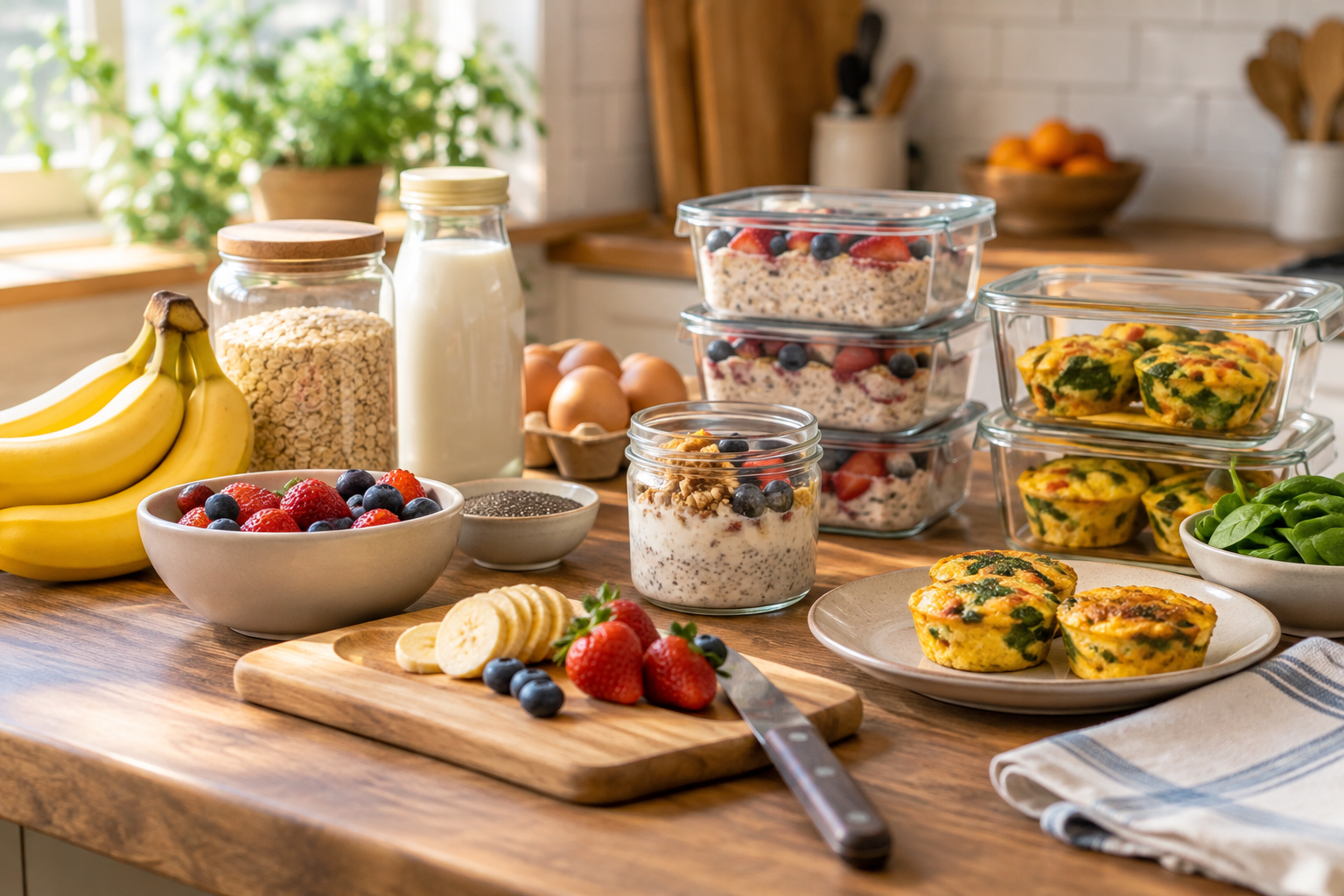
A half-full tub of yogurt, three soft bananas and a loaf with two heels left is not a breakfast plan. It is a shopping list that was never matched to the week ahead.
The fix is simple: count the breakfasts your household will actually eat, then count every other job those ingredients need to do. A weekly breakfast portions grocery list should cover school mornings, workdays, slower weekends and the snacks or lunches that share the same food.
You do not need rigid serving sizes. You need a rough plan that reflects your household.
Start with breakfast occasions, not ingredients
Before adding anything to your list, count how many breakfasts need to happen at home.
A typical week may include:
- Weekday breakfasts for adults
- School-day breakfasts for children
- Weekend breakfasts eaten at home
- One or more mornings when someone will eat leftovers, toast or something portable
- Days when a child is at daycare, a teen sleeps late or an adult is out early
Write one mark for each person who needs breakfast on each day. The marks do not need to represent identical portions. They simply show the number of breakfast occasions.
Then adjust for reality. If one child eats breakfast at school twice a week, do not buy as if that child will eat a full home breakfast every day. If Saturday breakfast is usually eggs and toast, it may use less cereal and fruit. If Sunday is a pancake morning, your flour, milk and eggs have another planned use.
This small count prevents the common mistake of buying ingredients for seven ideal mornings when your household will only eat five or six breakfasts at home.
Give shared ingredients more than one job
Milk, yogurt, bread and fruit can support several meals. That is useful for the budget, but only if you count the total demand.
For each ingredient, list its jobs for the week:
- Milk: cereal, porridge, smoothies, pancake batter, coffee and cooking
- Yogurt: breakfast bowls, smoothies, overnight oats, sauces or an afternoon snack
- Bread: toast, sandwiches, French toast, grilled cheese or breadcrumbs
- Fruit: breakfast bowls, packed snacks, baking, smoothies and lunch sides
- Eggs: scrambled eggs, sandwiches, baking and quick dinners
- Oats: porridge, overnight oats, muffins, crumble topping and homemade snack bars
This is where many grocery plans go wrong. A household may buy enough milk for cereal but forget that the same carton is needed for pancake batter. Or it may buy a large container of yogurt for breakfasts without deciding whether it will also cover snacks.
List the uses first. Then estimate the amount needed for all of them together.
Use flexible portions instead of fixed serving sizes
A portion is not a universal number. It changes with age, appetite, activity, the rest of the meal and whether breakfast is followed by a snack.
Use a household reference instead. For example, note that:
- One child usually eats a small bowl of yogurt with fruit
- One adult usually has toast and a piece of fruit
- Two people share a smoothie
- The family uses a splash or two of milk in weekday coffee
- A batch of pancakes covers one breakfast plus some freezer portions
These descriptions are more useful than forcing every person into the same measurement. You can still estimate the total. You are just starting with how your family eats.
For a new recipe, check the yield and compare it with your household’s usual appetite. If the recipe makes more than one breakfast needs, plan the leftovers. If it makes less, add toast, fruit or yogurt rather than automatically doubling the recipe.
Build a seven-day breakfast map
A simple weekly map keeps every morning from becoming a separate shopping project.
Try assigning a few broad breakfast types:
- One or two make-ahead breakfasts, such as overnight oats or baked oatmeal
- Two quick breakfasts, such as toast, cereal or yogurt with fruit
- One cooked breakfast, such as eggs and toast
- One leftover or freezer breakfast
- One flexible weekend breakfast
The goal is not to eat the same thing every day. It is to reuse ingredients without creating seven unrelated recipes.
For example, oats might become overnight oats early in the week and porridge later. Bread might be toast on weekday mornings, sandwiches at lunch and French toast on the weekend. Apples can go into a breakfast bowl, a lunch bag and a baked dish.
Leave room for changes. A planned breakfast may become a rushed piece of toast. Someone may reject porridge. A snow day may shift the whole schedule. A flexible breakfast slot gives you somewhere to put those changes without buying extra food.
Check freshness before you buy
Breakfast foods often fail because they are purchased in the wrong order, not because the plan is too large.
Use the foods that spoil sooner earlier in the week. Save longer-lasting options for later. Fresh berries, ripe bananas, soft bread and opened yogurt may need attention before apples, oats, eggs or frozen fruit.
A practical order might look like this:
- Plan breakfasts around the most perishable foods already at home.
- Use delicate fruit in the first few days.
- Keep some sturdier fruit for the second half of the week.
- Freeze bread if your household will not finish it while fresh.
- Portion or freeze extra fruit before it becomes too ripe.
- Store opened dairy according to the package directions and use it within its safe window.
Do not treat a best-before date as a guarantee that food will stay perfect, or as proof that it must be discarded immediately. Check the food, follow safe storage guidance and use your judgement. When in doubt, do not serve it.
Count the food already in your kitchen
Your weekly breakfast portions grocery list should start with a stock check. Look in the fridge, freezer and cupboards before opening a shopping app or writing a list.
Record what is available and what it can cover:
- Half a loaf of bread may cover toast and one lunch.
- Frozen fruit may cover smoothies later in the week.
- A nearly full bag of oats may be enough for several breakfasts.
- Eggs may already be needed for baking or dinner.
- A large yogurt container may have breakfast and snack portions left.
Use opened packages first where practical. Check whether an ingredient is still suitable, then build the next breakfast around it. This reduces duplicate purchases, especially when different family members add items to the list.
Also note package sizes. A large container is not automatically better value if the household will not finish it. A smaller package may create less waste. A larger one may make sense when you have a clear plan for several meals or can freeze part of the food safely.
Turn the plan into a grocery list
Organize your list by ingredient, not by recipe. Add the total amount needed across all breakfasts and other meals, then subtract what you already have.
Your list might include:
- Milk for cereal, coffee, porridge and pancake batter
- Yogurt for breakfast bowls and snacks
- Bread for toast, lunches and one weekend meal
- Fruit divided between fresh, frozen and longer-lasting choices
- Eggs for breakfasts, baking and dinner
- Oats for porridge and overnight oats
- Toppings such as nut or seed butter, cinnamon, frozen berries or grated cheese
Choose a substitute before you shop. If fresh berries are expensive or unavailable, frozen berries, apples or pears may work in the same breakfast. If the usual bread is not a good fit for the budget, choose another bread that the household will eat. A plan with substitutions is more useful than a perfect list that collapses when one item changes.
Because flyers usually turn over on Thursday in many Canadian markets, check the upcoming flyer before finalizing your plan if that matches your local store cycle. Offers and availability vary by province, town and banner, so confirm the current details for your own store. A discount at FreshCo, Maxi, Food Basics, No Frills, Super C, Save-On-Foods, Co-op or another local store only helps if the product suits your plan and will be used.
Review the plan at the end of the week
A two-minute review makes next week’s list better.
Ask:
- Which breakfast was eaten as planned?
- Which ingredient ran out first?
- Which food was ignored?
- Did the household need more portable options?
- Did one package create too much waste?
- Which breakfast can use leftovers next week?
Do not judge the plan by whether every day looked perfect. Judge it by whether it gave your household enough realistic choices without making you buy every possible breakfast food.
The best weekly breakfast plan is repeatable. Count the people, count the occasions, count the shared uses, and buy only what those uses support. If you want help turning your household, budget, stores and local flyer options into a full week of meals and a store-split grocery list, CartBrain can help you build the plan on the web, iPhone or Android app.