 Cart
Same Supper, Different Appetites: How to Plan Flexible Portions
Cook one family meal, then make room for different appetites with adjustable mains, sides, toppings, and serving sizes.
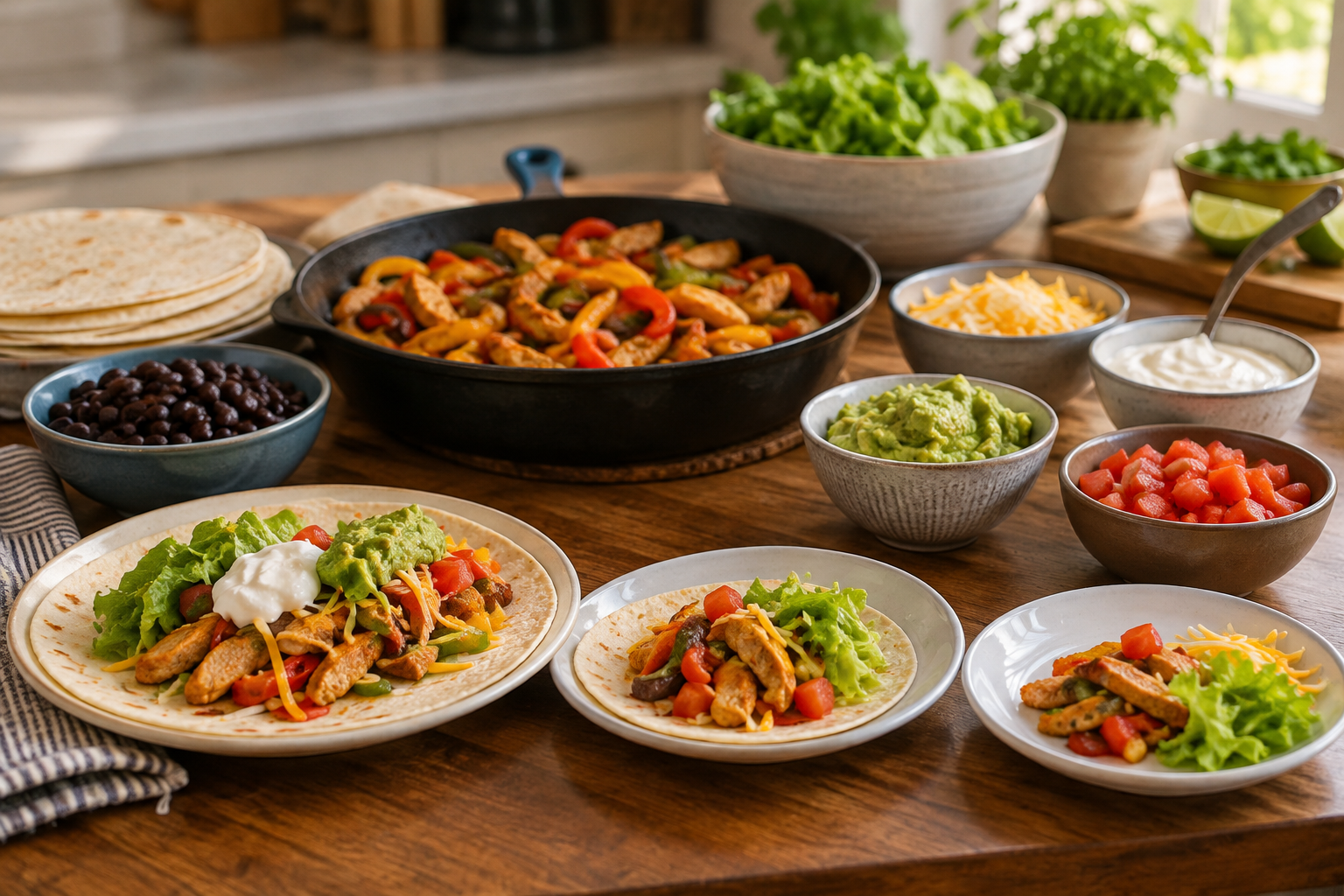
A 500 g pack of ground beef does not tell you how much each person will eat, and a recipe marked “serves four” is not a family census. That mismatch is where meal planning for different appetites gets tricky.
You do not need separate dinners for every person. You need a meal with a flexible base, sides that can stretch, and a plan for the food left in the pot.
Stop treating recipe servings as exact portions
Recipe servings are estimates. They help you understand the scale of a dish, but they are not a promise that four people will each eat the same amount.
A recipe labelled “serves four” may mean four modest bowls, four generous plates, or four servings alongside several filling sides. The result also changes depending on the recipe. Four portions of soup do not work the same way as four portions of chicken thighs, where the package may contain a different number of pieces.
Use the serving count as a starting point, then ask:
- Is this the main part of the meal or one part of a larger spread?
- Will some people want seconds?
- Is there a strong side dish that can carry more of the meal?
- Will the leftovers become lunch or another supper?
- Does the package quantity match the recipe, or will you have extras?
This gives you a more useful plan than doubling every ingredient automatically.
Build a meal with a flexible centre
The easiest family meals to adjust have one shared centre and several ways to fill the plate. Think of the meal as components rather than one fixed serving.
A few practical formats:
- Rice bowls with a shared protein, rice, vegetables, sauce, and toppings.
- Tacos with a filling, tortillas, shredded cheese, salsa, beans, and chopped vegetables.
- Pasta with sauce, grated cheese, vegetables, and bread on the side.
- Sheet-pan chicken with potatoes, a second vegetable, and a dip or sauce.
- Soup with bread, crackers, cheese, or a simple sandwich.
- Baked potatoes with chilli, tuna, beans, leftover chicken, or steamed vegetables.
- Build-your-own pita or naan with a shared filling and several toppings.
These meals do not require everyone to eat the same amount of every item. One person can take more rice. Another can take extra chicken. Someone else may want mostly vegetables and sauce. The family still eats the same supper.
Make sides do the stretching
Adjustable sides are your best tool when appetites vary. They let you add food without rebuilding the whole main dish.
Choose at least one side that is easy to cook in a larger batch. Rice, potatoes, pasta, couscous, bread, tortillas, and beans can all help stretch a meal. Add a vegetable that can be served separately, such as carrots, frozen peas, broccoli, cucumber, or salad greens.
Keep sauces and toppings separate when possible. A bowl of yoghurt sauce, grated cheese, salsa, hummus, pesto, or dressing can change the meal without forcing everyone into the same combination.
This also helps with texture and preference. A child may accept plain rice but skip a mixed casserole. An adult may want extra vegetables but less of the main dish. Separate components give both people a workable plate.
The goal is not to create a restaurant-style spread. Keep it manageable. One main, one filling side, and one vegetable are often enough. Add a topping only if it is already in the cupboard or useful later in the week.
Portion the components, not the people
Avoid assigning a fixed portion to each person before you know what the meal will feel like. Instead, cook or prepare components in amounts that can be served flexibly.
For a stir-fry, you might cook the protein and vegetables together but make extra rice. For tacos, keep the filling warm and let everyone assemble their own. For pasta, reserve some sauce separately so a second helping does not mean a dry plate.
Serve smaller initial amounts when the meal has several components, then let people add more. This can reduce untouched food without making anyone feel restricted. It also makes it easier to notice what gets eaten and what repeatedly comes home or stays on the plate.
For younger children, a small first serving can be practical because new foods may need several tries. For older children and adults, a self-serve approach may work better. Neither method assumes that appetite is determined by age, gender, or a label. People vary from meal to meal.
Separate package quantities from recipe quantities
This distinction prevents a lot of grocery-planning confusion.
A package quantity is what the shop sells. It might be a 750 g bag of rice, a tray of chicken thighs, a 540 mL tin of beans, or a bunch of bananas. A recipe quantity is what the instructions use. It might call for 300 g of rice, two chicken breasts, half a tin of beans, or one banana.
Those numbers will often disagree. That is normal.
When planning, ask three questions:
- How much does the recipe need for the meal?
- What package size can I actually buy at my chosen store?
- How will I use the remainder?
The remainder might become tomorrow’s lunch, a freezer portion, a filling for wraps, or part of another supper. If you have no use for it, choose a smaller package where practical or select a recipe that uses the full amount.
Do not confuse “one package” with “one serving.” A family-size pack of chicken may contain several pieces. A tin of tomatoes may be used across two recipes. A bag of frozen vegetables may cover multiple meals. Plan around the amount used, not just the number of items in the trolley.
Use leftovers as an appetite buffer
Leftovers are especially useful when you cannot predict how much the household will eat. Cook enough of a flexible component to support the next meal, but decide its next job before shopping.
Examples:
- Extra roasted vegetables become a frittata or wrap filling.
- Leftover rice becomes fried rice with an egg and frozen vegetables.
- Extra taco filling goes into quesadillas or a baked potato.
- Cooked chicken becomes soup, sandwiches, or a grain bowl.
- Lentil or bean chilli becomes a topping for nachos, rice, or pasta.
- Pasta sauce can be frozen in a small container for a quick later supper.
Label leftovers with the meal and date they belong to, then put them where they will be noticed. A plan that includes leftovers should also include a realistic way to serve them. “Use leftovers” is not a plan if no one knows whether they are lunch, a side, or the main event.
Keep food safety in mind. Chill leftovers promptly, store them in suitable containers, and use your household’s usual food-safety guidance for storage and reheating.
Shop for flexibility, not maximum variety
A flexible meal plan does not need a long list of completely different dishes. Choose meals that share useful ingredients without making the week taste repetitive.
For example, cooked rice can support bowls one night and a quick fried rice another night. Tortillas can handle tacos, quesadillas, or wraps. A tray of roasted vegetables can sit beside chicken, eggs, or beans. A jar of passata can become pasta sauce, soup base, or a topping for baked vegetables.
This matters in Canada because store sizes, availability, and prices vary by province, community, and banner. A household shopping at No Frills, FreshCo, Food Basics, Super C, Save-On-Foods, Co-op, IGA, Costco, or a local independent shop may find different package options and flyer offers. Check the current package size at your own store instead of assuming every shop sells the same quantity.
Flyers commonly turn over on Thursday, but the exact timing and available offers can differ. Build the meal around ingredients you can actually find and use.
Write the plan so it can bend
A rigid plan says: “Tuesday: recipe, four portions, no changes.” A useful plan says: “Tuesday: chicken bowls; rice and vegetables can increase; sauce served separately; extra chicken becomes Wednesday’s lunch.”
For each supper, note:
- The shared main component.
- The easiest side to increase.
- Any toppings or sauces served separately.
- The likely leftover use.
- The package remainder and where it fits later.
That small amount of planning keeps different appetites from turning into separate meals. It also makes grocery quantities easier to judge.
If you want help mapping a Monday-to-Sunday plan around your household, budget, chosen stores, and local flyer ingredients, CartBrain can turn those moving parts into a weekly meal plan and store-split grocery list. The aim is simple: one workable supper, with enough flexibility for the people actually sitting at your table.